

Cat Scratch Fever: Symptoms, Diagnosis, and Prevention Tips
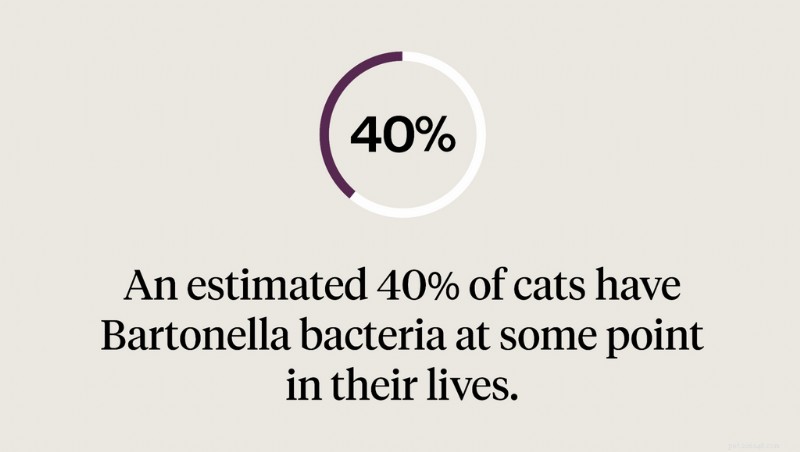
You may have heard the term “cat scratch fever” in passing, but many people only know it as a catchy phrase. In veterinary medicine, cat scratch fever—also called cat scratch disease or lymphoreticulosis—is a bacterial infection caused by Bartonella henselae. The bacterium is common in cats, especially kittens, and up to 40 % of cats are infected at some point in their lives, according to the Centers for Disease Control and Prevention.
Unlike many other zoonotic diseases, cat scratch fever can be transmitted both among cats and from cat to human. This makes prevention and early recognition important for pet owners and healthcare providers alike.
Read on for a comprehensive guide on the causes, risk factors, symptoms, diagnosis, treatment, and prevention of cat scratch fever.
What Causes Cat Scratch Fever?
Bartonella henselae spreads through several routes:
- Flea bites: A flea that feeds on an infected cat can transmit the bacterium to another cat via its saliva.
- Flea dirt: Infected fleas shed the bacteria in their feces. Cats can ingest or scratch up this “flea dirt,” contaminating open wounds or mucous membranes.
- Scratches and bites: Direct contact with an infected cat’s claws or mouth can introduce the bacterium into the bloodstream.
- Blood transfusions: Though rare, a feline blood transfusion from an infected donor can transmit the disease.
Humans most commonly acquire cat scratch fever through scratches, bites, or exposure to an infected cat’s saliva on broken skin. Immediate cleaning with soap and water is essential.
Talk to a Vet at Dutch Today
- 24/7 care from top‑rated veterinarians
- Unlimited vet calls & messaging
Risk Factors for Humans
People who spend a lot of time around cats—especially kittens, which tend to be more active—face a higher risk. The presence of fleas amplifies this risk, as fleas are the primary vector for Bartonella henselae. Individuals with weakened immune systems should monitor for symptoms closely and seek medical advice promptly. Severe complications can include bacillary angiomatosis (a skin and internal organ disorder) and Parinaud’s oculoglandular syndrome (a pink‑eye‑like condition).
Symptoms of Cat Scratch Fever
In Cats
Most infected cats are asymptomatic carriers. Rarely, they may show signs such as:
- Fever lasting three or more days
- Vomiting or decreased appetite
- Lethargy
- Red eyes
- Swollen lymph nodes
In Humans
After exposure, humans may develop:
- Red or swollen scratches/bites that do not heal or worsen over time
- Swollen or painful lymph nodes in the armpits or groin
- Flu‑like symptoms: fever, fatigue, sore joints
- Pus‑filled scab or blister near the scratch or bite
Diagnosing and Treating Cat Scratch Fever
In Cats
Because the disease is typically mild or asymptomatic in cats, routine testing is uncommon unless the cat has known exposure or shows clinical signs. Treatment is usually unnecessary; the animal’s immune system clears the infection. Antibiotics are rarely prescribed and may be ineffective due to bacterial resistance.
In Humans
Healthcare providers diagnose based on physical examination and confirmatory blood tests. Treatment depends on severity and patient factors. Mild cases often resolve without antibiotics, while more pronounced infections may be treated with a course of doxycycline or azithromycin.
Preventing Cat Scratch Fever
Effective prevention starts with protecting your cat:
- Routine flea and tick prevention: Use a veterinarian‑approved product and follow the dosing schedule.
- Treat flea infestations promptly: Address itching, hair loss, or visible flea dirt in your home immediately.
- Keep cats indoors: Indoor confinement limits exposure to other cats and reduces flea encounters, though it does not eliminate the need for flea control.
- Avoid scratches, bites, and licks: Exercise caution around kittens or unfamiliar cats, especially if you have a compromised immune system.
- Clean injuries right away: Wash cuts or scratches thoroughly and consider seeking medical evaluation if the skin breaks.
- Seek medical attention for significant wounds: Prompt care can prevent bacterial spread.

Take Action Today
While cat scratch disease rarely harms cats, it can pose a serious health risk to humans. If your cat lacks a flea and tick prevention plan, consult a vet to implement one now. Dutch members enjoy unlimited access to experienced veterinarians from the comfort of home—no waiting rooms or surprise bills.
Talk to a Vet at Dutch Today
- 24/7 care from top‑rated vets
- Unlimited vet calls & messaging
- Pet Behavior
- Pet Breeds
- Pet Names
- Pet Adoption
- Pet Training
- Cat Stories
- Pet Health
- Adorable Pets
- Cats
- Why Puppy Kindergarten Is Essential for Early Socialization
- Celebrate Our 14th Birthday – Enter to Win a Rompicatz Wand Toy Bundle
- Do Dogs Truly Know How Long You've Been Away?
- Brussels Griffon: Essential Traits, Care, and Training Guide
- Top 3 Causes of Pet Poisoning & How to Keep Your Furry Friends Safe
- Candy Cane Corn Snake: The Ideal Docile Pet for Reptile Enthusiasts
- 12 Breeds That Resemble German Shepherds – A Comprehensive Guide