

The Complete Guide to Your Cat’s Feet and Paws: Care, Common Problems, and Prevention
Understanding your cat’s feet is essential for lifelong health and mobility. Proper care helps prevent pain, injuries, and long‑term complications.
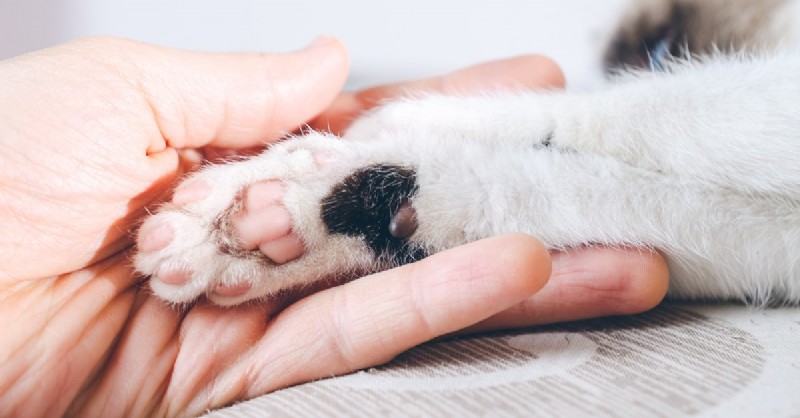
As a cat owner, you’ll quickly see how integral paws are to a cat’s daily life— from chasing prey to balancing on high ledges, scratching surfaces, and grooming themselves. Their remarkable right‑ing instinct lets them land on their feet after a fall. When paws are compromised, the cat’s quality of life can suffer dramatically.
How Cats’ Feet Are Structured
Each foot contains five toes, each with a sharp claw. The four primary toes sit at the front, while the fifth— the dewclaw— is located on the outer side. A complex network of tendons and ligaments connects these bones to the muscles, enabling agile jumps, precise landings, and powerful climbs. Because of this sophisticated anatomy, veterinary experts strongly discourage declawing or removal of the dewclaw, as it eliminates critical safety functions.
The undersides of the paw pads are cushioned by soft tissue. Indoor cats possess smooth, self‑lubricating pads that help them stay balanced on narrow surfaces, whereas outdoor cats have thicker, more textured pads that enhance traction for hunting and climbing.
Common Foot and Paw Issues
Despite their resilience, cat paws are vulnerable to a range of problems— from acute injuries to chronic conditions. Here are the most frequently encountered issues:
- Paw Injuries – Mandible punctures, lacerations, and burns can introduce bacteria, potentially leading to painful, fluid‑filled abscesses.
- Environmental Irritants – Contact with gasoline, de‑icing salts, or harsh cleaners may cause chemical burns or severe irritation. Allergies and fungal infections also manifest as itching and redness.
- Bone and Soft‑Tissue Damage – Fractures, strains (muscle or tendon tears), and sprains (ligament injuries) can result from overextension or trauma.
- Chronic Pain – Arthritis and other musculoskeletal disorders diminish mobility and cause persistent discomfort.
- Torn Toenails – Domestic cats rarely wear down nails naturally; over‑grown claws can snag on fabric or wood, tearing the nail and causing infection.
Recognizing Foot Problems Early
Spotting a foot issue promptly improves treatment outcomes. Key signs include:
- Limping or favoring a single limb.
- Visible cuts, swelling, or heat over the foot.
- Excessive licking, redness, or hair loss—potential fungal infection or allergy.
- Increased sensitivity to touch or pain when walking.
When external damage is absent, a veterinary exam—often involving imaging—may be necessary to rule out fractures or deep soft‑tissue injuries.
Preventive Care for Healthy Paws
Regular maintenance is the first line of defense:
- Trim Toenails – Use a cat‑specific nail trimmer or visit a professional groomer. Avoid cutting into the quick to prevent bleeding.
- Encourage Natural Wear – Provide sturdy scratching posts or boards that allow claws to be shed naturally, preserving furniture and keeping nails at a safe length.
- Maintain a Safe Environment – Keep chemicals, hot surfaces, and slippery floors out of reach. Use non‑slip mats for indoor ramps or stairs.
- Regularly inspect paws for cuts, debris, or abnormal growths.
When to Consult a Veterinarian
Veterinarians can address a spectrum of foot concerns—from surgical fracture repair to burn debridement, allergy testing, and chronic pain management. A tailored treatment plan—combining medication, lifestyle adjustments, and controlled exercise—can dramatically improve mobility and comfort.
Ready to Start Saving on Pet Wellness Care?
Consider Mint Wellness, a pet wellness plan that offers fast reimbursement for routine care—vaccinations, exams, preventatives, dental work, and more.
- Pet Behavior
- Pet Breeds
- Pet Names
- Pet Adoption
- Pet Training
- Cat Stories
- Pet Health
- Adorable Pets
- Cats
- Understanding Why Dogs Tilt Their Heads: Insights & Research
- 6 Essential Reasons Grooming Your Pet Protects Their Health
- 12 Key Reasons Chickens Stop Laying Eggs & How to Restore Production
- How to Identify a Cat's Gender: A Complete Feline Genitalia Guide
- Tea Tree Oil for Dogs: Effectiveness, Safety, and Practical Uses
- Understanding Sussex Spaniel Behavior: Calm, Playful, and Loving Companion
- Preventing Osteosarcoma in Dogs: Proven Strategies for Owners