

Preparing for a Newborn with a Cat: Expert Tips for a Stress‑Free Transition
Welcoming a newborn obliges parents not only to care for the infant but also to safeguard the well‑being of household pets. Cats, which thrive on routine, can experience significant anxiety when their environment changes. Proper planning not only protects the cat’s mental health but also fosters a peaceful household for everyone.
Why proactive cat‑parenting matters
Because cats are highly territorial, even subtle shifts—new scents, sounds, or seating arrangements—can unsettle them. Infants introduce loud cries, unfamiliar odors, and a shift in daily attention. Without advance preparation, a cat may exhibit litter‑box avoidance, destructive scratching, or social withdrawal.
By anticipating these challenges, you give your cat reassurance and a smoother transition into the expanding family.
Step‑by‑step cat‑ready strategy
Gradual environmental exposure
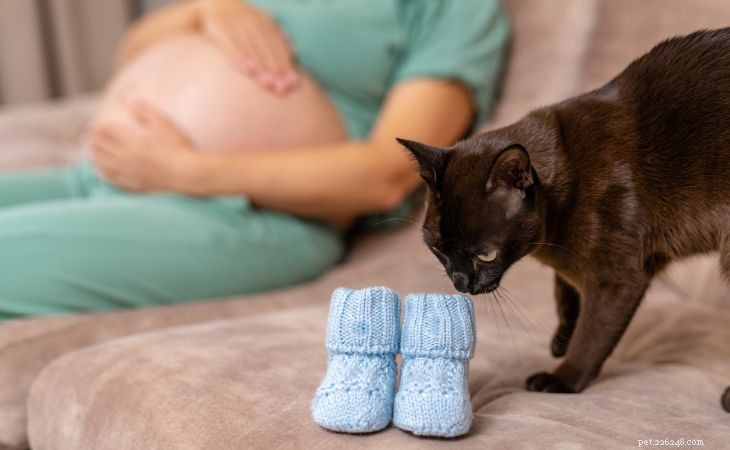
Begin by placing your baby’s crib, stroller, and prop gear in the house well before the due date. Let the cat sniff, observe, and eventually claim these objects at their own pace. Incremental exposure reduces the risk of negative reactions.
Softly adjust daily routines
Introduce small changes to mealtime, playtime, and cuddle sessions gradually. Cats thrive on predictable patterns; maintaining a consistent schedule helps them feel secure even as new family members arrive.
Ensuring a safe and pleasant coexistence
Establish clear boundaries
Never leave the infant unattended with the cat. Keep the newborn’s sleeping area off‑limits and reinforce this rule consistently. Clear boundaries protect both the baby’s safety and the cat’s comfort.
Respect the cat’s retreat spaces
Provide elevated perches, cat trees, or quiet rooms where the cat can withdraw when overwhelmed. Research by the American Association of Feline Practitioners shows that access to safe hide‑outs reduces stress and aggressive incidents.
Facilitating the first encounter
Introduce the cat to the baby’s scent early by allowing the cat to sniff a piece of clothing the infant has worn. On the day of the first face‑to‑face meeting, let the cat approach on its own terms. This respectful pace encourages a natural bond and mitigates negative reactions.
Post‑arrival support for your cat
Even with careful preparation, the first weeks can be an adjustment period. Continue to offer regular playtime and affection. If persistent stress or behavioral issues arise, consult a board‑certified veterinary behaviorist for targeted guidance.
Separating myth from reality
While some people worry that cats pose a danger to infants, data from the American Veterinary Medical Association indicates that the risk is minimal when proper precautions are taken. Adequate hygiene, routine veterinary care, and well‑defined boundaries ensure a safe environment.
Key takeaways
- Advance preparation reduces stress and preserves harmony.
- Gradual environmental and routine changes ease the cat’s adaptation.
- Provide quiet, elevated spaces for the cat’s comfort.
- Supervise all cat‑baby interactions to maintain safety.
- First meetings should respect the cat’s natural pace.
- Consistent attention reinforces the cat’s sense of security.
- Professional help can resolve persistent behavioral challenges.
- Pet Behavior
- Pet Breeds
- Pet Names
- Pet Adoption
- Pet Training
- Cat Stories
- Pet Health
- Adorable Pets
- Cats
- Can Dogs Understand Wolves? Exploring Cross-Species Communication
- 10 Essential Facts About Corgi Puppies: Everything You Need to Know
- The Vital Benefits of Turnout: Keeping Your Horse Healthy and Happy
- Giving It Our All: How Dedicated Owners Battle Dog Allergies
- Do Dogs Truly Know Their Names? The Science Behind Canine Recognition
- Easing Your Dog’s Osteoarthritis: Proven Complementary Therapies for Pain Relief and Mobility
- Stop Your Dog’s Barking When You’re Away: Proven Tips to Ease Separation Anxiety