

Keeping Your Cat Calm and Safe During Fireworks
Keeping Your Cat Calm and Safe During Fireworks

Most cats dread loud noises like fireworks and thunderstorms, but a few may actually enjoy the spectacle from a windowsill. Whether your cat is terrified or curious, the following advice will help keep any feline safe and relaxed during noisy events.
Why a scared cat is a problem
A frightened cat is more likely to run away, get injured, or develop lasting trauma. Understanding these risks motivates proactive preparation.
A scared cat may get lost or injured
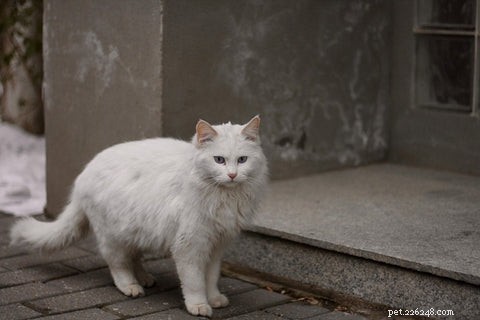
If an outdoor cat hears fireworks or thunder, the instinct to flee can override caution. Running cats are prone to vehicle collisions, predation, and disorientation. Once the noise stops, they may be lost in unfamiliar territory, facing hunger, exposure, and illness.
A scared cat can become traumatized

Unlike humans, cats do not experience “good scares.” A single frightening event can create a long‑lasting fear memory in the amygdala, potentially developing into a phobia that spreads to other situations. Desensitising a traumatized cat can take months or even years.
How to protect your cat during fireworks or thunderstorms
Your goals are simple: 1) keep your cat physically safe and 2) protect its emotional wellbeing. Below are practical steps you can take.
Microchip your cat
If you haven’t already, have a veterinarian implant a microchip (the size of a grain of rice) under your cat’s skin. The chip stores a unique ID that links to your contact details in a database, allowing lost cats to be reunited with their owners—even if they turn up 1,300 miles away. Keep the registration information up to date. For added peace of mind, consider a GPS tracker or Apple AirTag, but be aware of their limitations.
Keep your cat indoors
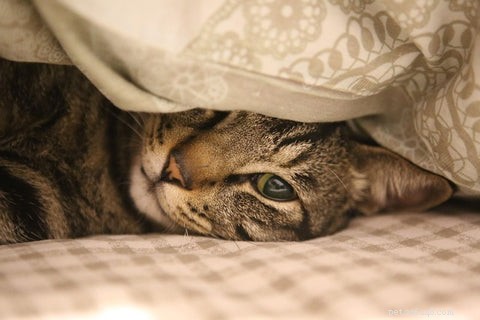
Even cats that normally roam outdoors should be brought inside for the duration of fireworks or a storm. If your cat isn’t accustomed to indoor life, set up a quiet space in a garage or spare room with a litter box, food, water, and a comfortable bed. A few hours of confinement is far safer than the risk of a frantic escape.
Create safe havens
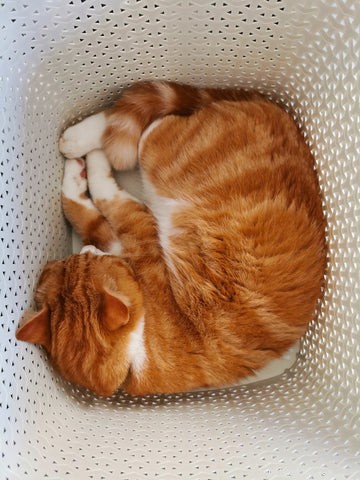
Provide cozy, insulated hiding spots where your cat can retreat from the noise. A favorite blanket‑covered box, a laundry basket draped with a towel, or a snug corner under a bed works well. Avoid locking the cat in a single room; let it choose its own refuge. Once settled, give it space—no coaxing or soothing talk is needed.
Consult your veterinarian

If your cat has a history of severe anxiety, discuss medication options ahead of the next event. Commonly used classes include:
GABA analogues
Drugs such as gabapentin or pregabalin mimic the calming neurotransmitter GABA and can reduce nervousness.
Selective serotonin reuptake inhibitors (SSRIs)
SSRIs (e.g., fluoxetine, sertraline, paroxetine) help manage chronic anxiety but require 4‑8 weeks to become effective, so they’re not suitable for a one‑off event.
Benzodiazepines
Fast‑acting agents like alprazolam, lorazepam, or diazepam can be used short‑term for fireworks or travel stress, but they are not FDA‑approved for cats and should be prescribed with caution.
Additional calming aids
Note: As an Amazon Associate I may earn from qualifying purchases.
These tools won’t eliminate the noise, but they can help create a calmer environment:
White noise
Running a white‑noise machine, the dishwasher, or a low‑volume TV can mask sudden bangs. Even static between radio stations works.
Pheromone diffusers or collars
Products like Feliway release synthetic feline‑appeasing pheromones that may reduce stress.
Catnip and related plants

Catnip (nepetalactone) can have a calming or stimulating effect, depending on the individual. Other plants—silver vine, Tatarian honeysuckle, valerian root—produce similar responses. Effects typically last ~10 minutes and may require a two‑hour reset before re‑use.
What to avoid
Essential oils
Many essential oils are toxic to cats because they lack the liver enzyme glucuronyl transferase needed to process the compounds. Never use oils without explicit veterinary guidance.
Fireworks near cats
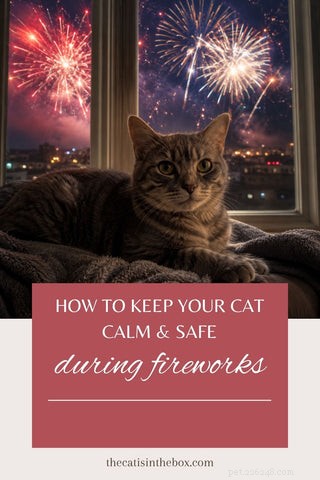
Fireworks can cause severe burns and expose cats to hazardous chemicals such as potassium nitrate, chlorate salts, and barium. Keep cats indoors for the entire display and discard spent fireworks safely.
Disturbing a hiding cat
Some cats may stay concealed for days after a loud event. Respect their need to self‑soothe and avoid forcing them out.
Punishing fearful behavior
Scratching furniture or missing the litter box are stress‑induced reactions, not deliberate misbehavior. Punishment damages trust and offers no benefit. Instead, have a preparedness plan and respond with patience.
Final thoughts
Fireworks and thunderstorms don’t have to be traumatic for your cat. By microchipping, keeping them indoors, providing secure hideaways, and using calming aids or veterinary‑approved medication, you can protect both their body and mind.
Love Pinterest? Here’s a Pinterest‑friendly pin for your boards!
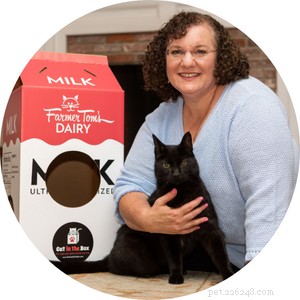
Dawn LaFontaine
Dawn LaFontaine is a lifelong animal lover whose blog Kitty Contemplations helps cat guardians better understand their pets. She also runs Cat in the Box, a line of award‑winning cat products designed for feline wellbeing.
- Pet Behavior
- Pet Breeds
- Pet Names
- Pet Adoption
- Pet Training
- Cat Stories
- Pet Health
- Adorable Pets
- Cats
- 5 Expert-Backed Reasons Why Dogs Sniff Your Underwear
- Expert‑Approved Home Care for Injured Dogs
- Tomato Sauce and Dogs: Safe Consumption and What to Avoid
- Why Your Dog Sees You as a Stranger: Understanding and Rebuilding the Bond
- Lewis Hamilton’s Bulldog Love: How His Pets Earn a Fortune on Social Media
- The Science Behind a Cat's Purr: How Cats Generate Their Signature Sound
- Do Rabbits Vomit? Understanding Why Bunnies Cannot Throw Up