

When Your Cat Vomits Bile: What It Means and When to Seek Veterinary Care
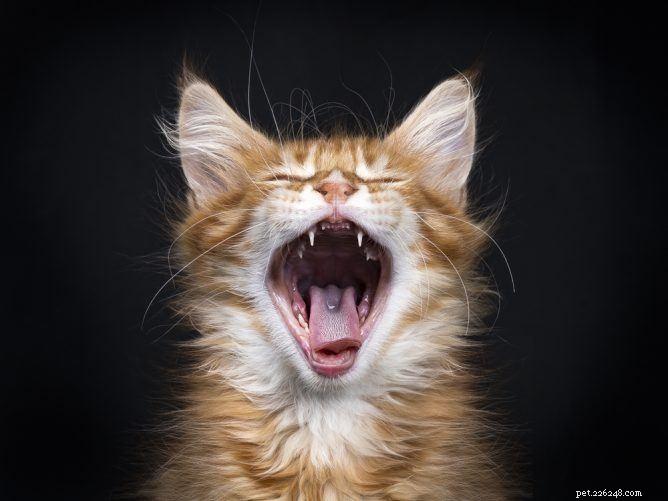
It’s gross, but is it a cause for concern? When your cat vomits bile, you need to know what it means and what you should do.
If your cat is vomiting bile—the yellow-green liquid that the liver produces in order to aid digestion—you might be wondering if it’s normal or if you should take your pet to the vet. We’ve compiled a bit of information below to help you better understand what might be to blame when your kitty vomits bile, but it’s always a great idea to consult with your veterinarian for personalized guidance whenever you have questions about your cat’s symptoms.
Why a Cat Would Vomit Bile
Experts aren’t entirely sure if there’s an exact cause that leads to a cat vomiting up bile, but this symptom may develop when a kitty has gastrointestinal motility issues. Basically, the bile gets into the stomach even though it isn’t supposed to be there, so it ends up irritating the stomach, which results in the body getting rid of the bile through vomiting.
Your vet can also examine your kitty to figure out if there is an underlying condition causing inflammation of the stomach or intestine that’s affecting motility.
What Are Some Symptoms to Look Out For?
You might notice that your cat vomits bile late at night or early in the morning, and it might happen right before it’s time for her to eat. This is more common in kitties that are only fed one time per day.
In addition to the vomiting, there might also be other signs that your pet isn’t feeling well. For example, you might notice that your cat doesn’t have much of an appetite, and she might even be losing weight. There might be nausea, along with abdominal discomfort, and the intermittent vomiting of bile might become increasingly more common.
What Can Be Done for a Cat That’s Vomiting Bile?
Dietary changes may be a good place to start if your cat is vomiting bile. Your vet might recommend feeding your kitty wet food, as well as foods that contain the right balance of nutrients, such as fiber and fat, in an effort to improve digestion.
Also, feeding smaller meals more frequently throughout the day might be a good idea to help reduce or eliminate the vomiting. Doing so could help prevent your pet’s stomach from being left empty for too long, and that may help improve motility as well.
Remember, your veterinarian can check your pet to figure out if there’s an underlying health condition that’s causing your pet to vomit bile. If that’s the case, treating the problem will be where you’ll start. But, if nothing serious is to blame, your vet might prescribe treatments that can help support your cat’s digestive health, such as medications that improve motility or medicines that help reduce the amount of acid that’s secreted.
Bottom line: your vet will be able to determine what medications and dietary changes, if any, would be appropriate for your unique kitty’s condition.
Remember, It’s Always Best to Ask a Vet
It’s wise to take vomiting, especially of bile, seriously. Whenever your cat is exhibiting symptoms that are worrisome, such as throwing up bile, it’s best to talk to your vet about what could be causing this problem, as well as what you can do to resolve it. That way, you can give your kitty what she needs to improve her digestion and feel better.
- Pet Behavior
- Pet Breeds
- Pet Names
- Pet Adoption
- Pet Training
- Cat Stories
- Pet Health
- Adorable Pets
- Cats
- 9 Clear Signs Your Cat Is Bored—and How to Fix It
- Effective Home Care Tips for Managing Cat Vomiting
- 6 Proven Strategies to Quickly Locate a Missing Cat
- Professional Cat Hospice Care: Compassionate End-of-Life Support
- Key Cat Behavior Changes to Spot Early for Health & Happiness
- Top 5 Cat Breeds That May Not Be Ideal for Families with Children
- Understanding Cat Vomiting: Causes, Symptoms, and What to Do