

Cat Vomiting Explained: Causes, Diagnosis, Treatment, and Prevention
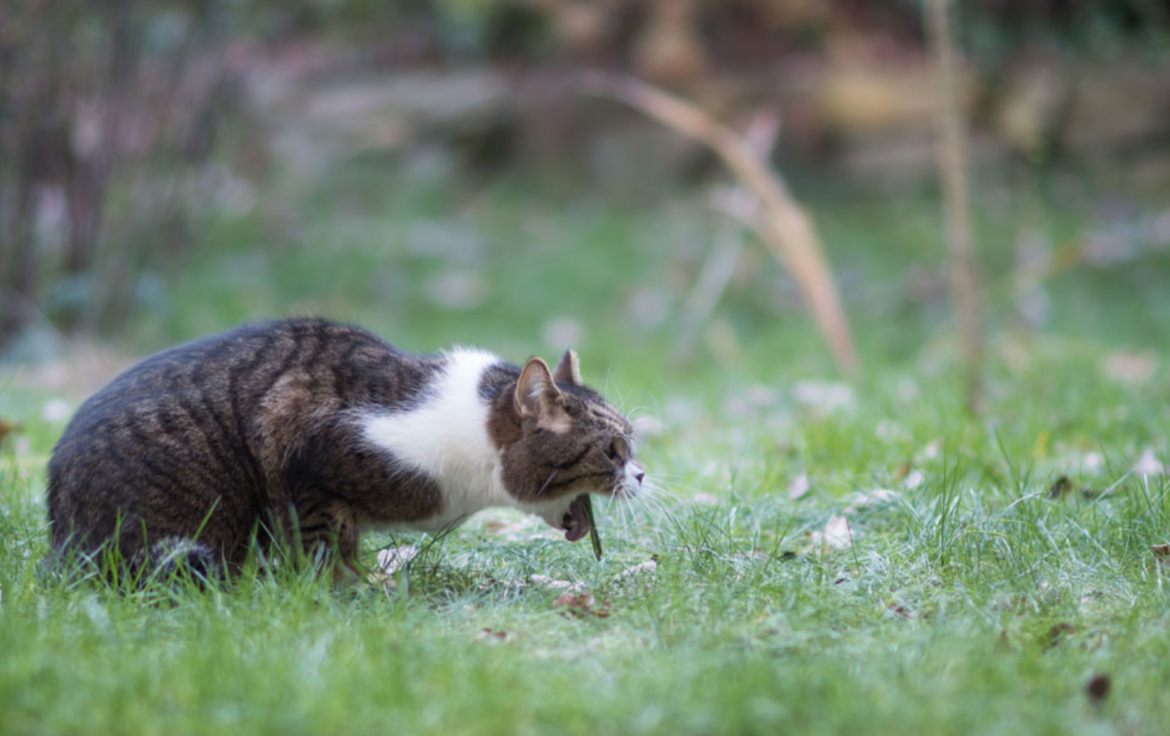
I’m yet to meet a parent who is comfortable with his cat vomiting all the time.
For one thing, it gives you the chills and for another, it leaves you a mess to clean up.
And while we may want to excuse vomiting as one of those cat things, it could be a lot more.
In this article, I discussed why cats vomit, how vomiting can be treated, and more.
If you’re ready, let’s paw in!
Is vomiting normal in cats?
The simple answer is NO. Surprised? Don’t be. Vomiting in cats is common but it is not normal.
And for your cat to vomit, there must be a cause. Gratefully, this cause is usually not far from the home.
Thus, you can easily identify the cause of your cat’s vomit and find a solution.
Now, not every case of cat vomiting is equal. Hence, not every vomiting case requires the aid of a vet.
When your cat vomits immediately after a meal and returns to his routine, it’s a mild case and therefore not a cause for worry. It might just be the manner he ate the food.
Also, when your cat vomits only twice or three times in an entire month, you can wipe it off your worry list.
So when should you be worried about your cat vomiting? You should be concerned and probably call your vet when:
• The vomiting is frequent like daily or twice in 3 days
• When there is blood in the vomit
• If your cat is pale and lethargic after vomiting
• When you suspect that your cat has eaten something dangerous.
• If the vomit smells like poop and looks like it
• Your cat loses his appetite for a long period after the vomit
That said, let’s find out possible reasons why cats vomit. However, have you known the ideal weight for your cat?
Tag along!
Why Do Cats Vomit?
To solve your cat’s vomiting problem, you begin by finding the cause. And different conditions can cause your cat to vomit including:
- Your cat eats too much food too fast
In this case, the vomit may reveal undigested food and it usually happens immediately after a meal or a few minutes later.
- Your cat has eaten food that he is allergic to.
- A poisonous substance has found its way into your cat’s bloodstream.
This point is crucial as several substances in the home are toxic to your pet. Some of them are:
- Human medications
- Ethylene glycol in Antifreeze
- Insecticides
- Toxic cleaners
- Garden sprays, etc.
- Vomiting could also be a sign that your cat is suffering from a serious disease like:
- Chronic Kidney Disease
- Feline Diabetes
- Pancreatitis
- Feline Inflammatory Bowel Disease
- Hyperthyroidism, etc.
- Hairball (a small collection of hair or fur formed in the stomach) is a common reason for vomiting.
- When your cat mistakenly swallows objects like toy parts, grass, feathers, etc. during playtime, they may lodge in the stomach and cause your pet to vomit frequently.
Now that we have seen why cats vomit, how can you know the cause of your cat’s vomiting? However, have you known 9 Common Cat Eye Problems With Signs & Major Causes Of The Problem
I discussed that in the next section.
Keep reading!
Diagnosing The Cause Of Cat Vomiting
Since the duration and cause of vomiting in cats vary, it may not be easy to diagnose the root of your pet’s situation.
But these tips should help:
- Try to find answers to these questions
- Do you remember any toxin your cat may have been exposed to?
- At what time did your pet start vomiting?
- Does your cat hunt or go outside often?
- What is the normal diet of your cat?
- Is your cat on medication?
- What items can you identify from the vomit?
- Is there diarrhoea too?
- Did you observe a loss of appetite afterwards?
By answering these questions, you’ll have a clue as to what is responsible for your cat’s vomiting.
These are also the kind of questions that your vet will ask when he is examining your cat.
- Secondly, check the characteristics of the vomit following this guide:
- A yellow vomit shows possibilities of liver disease, an empty stomach, or your cat may have ingested a yellow substance.
- When the vomit is clear, white, or foamy, it is mostly a regurgitation from the esophagus or an empty stomach.
- A vomit containing blood could be blood from the mouth, gullet, or stomach.
- Where the vomit has a coffee-ground appearance, it reveals bleeding in the stomach or ulcers.
- A brown, smelly vomit shows bleeding in the upper gastrointestinal tract, or perhaps your cat ate something brown and smelly.
- When you find undigested food in your cat’s vomit then it means the food never left the stomach. However, have you known Top 10 Cat Health Problems: Symptoms, Causes, Treatment & Prevention
Got it? Good!
Moving on, we’ll discuss how you can treat a cat that is vomiting.
Keep reading!
How To Treat Vomiting In Cats
As you’d guess, treatment of your cat’s vomiting problems will depend on the underlying cause.
On a first note, vomiting caused by feline inflammatory bowel disease will require medication.
Also, where kidney disease is responsible for the vomiting, blood pressure medication will be needed as well as increased fluid intake.
In the case of food allergies, a limited-ingredient diet (like Blue Buffalo Basics Limited Ingredient Grain-Free Formula) will help.
For hyperthyroidism being the underlying cause, surgery, medication, or radioactive iodine are the possible treatment options.
Generally, administering fluids and a slight change in your cat’s diet will relieve him of the discomfort from vomiting and restore lost energy.
Introducing your cat to foods that are easily digestible like Royal Canin Gastrointestinal High Energy cat food or a bland human food such as boiled chicken are excellent choices.
Then where the cat is very weak, IV fluids are recommended.
Furthermore, there are anti-vomiting medications that you can give your pet to reduce fluid loss.
And if your cat is experiencing continuous pain, you can add pain medication.
All the same, seek your vet’s advice to make the best decision for your cat. However, have you known the ideal weight for your cat?
Wondering if there’s a way to prevent vomiting in your cat? You will find out in the next section…
How To Prevent Vomiting In cats
- Encourage your cat to eat slowly following either or all of these approaches:
- Feed small portions
- Raise the food bowl slightly above the usual position
- Put a ball too big for your cat to swallow into the bowl so that your cat will have to eat around it
- Where there is more than one cat, feed them at different times to avoid competitive eating
- Provide fresh water alongside the food and encourage your pet to drink
- Use a puzzle feeder or automatic feeder
- Feed your cat at the same time daily
- Try another brand of high-quality cat food but remember to transit gradually
- Brush your cat more often to reduce the formation of hairballs
- Opt for special foods that relieve underlying causes of vomiting (you will find examples in the next section)
- Don’t miss routine exams with your vet. Health issues are easier to resolve when they are discovered early
- Keep those household substances that may be toxic to your cat out of his reach
- You can also try a laxative that will help hairballs pass through the digestive tract but ask your vet first
In the next section, I mentioned some foods that can help reduce vomiting in your cat.
Check it out!
Special Cat Foods That Help With Vomiting
-
Purina One Hairball Formula Cat Food
This is an adult dry cat food made with real chicken. It is also blended with natural fibre to help control cat’s hairballs.
-
Nom Nom Chicken Cuisine Review
The top ingredients in this food are chicken breast, chicken liver, chicken thigh, carrot, and asparagus.
Ingredients and additives that can irritate a cat’s tummy and cause vomiting are missing in this food.
-
Natural Balance LID Salmon Dry Cat Food
Formulated with complex carbohydrates, protein, and green peas, this food by Natural Balance is an excellent alternative to grains.
It reduces the chance for your cat to be exposed to allergens.
-
Blue Buffalo Basics Limited Ingredient Grain-Free Formula Fish & Potato Indoor Adult Dry Cat Food
Here’s a quality dry cat food by BLUE for cats with sensitive tummies and food allergies. It is also good food for healthy cats.
-
Hill’s Science Diet Adult Sensitive Stomach
Hill’s Science prepared this food for cats with sensitive digestive systems. It can also help improve skin and coat.
The top ingredients used here are omega-6 fatty acids, vitamin E, and a blend of antioxidants with vitamins C and E to boost the immune system.
Other foods are:
-
Hound & Gatos 98% Chicken & Liver Grain-Free Canned Cat Food
-
ZiwiPeak Beef Recipe Canned Cat Food
-
Natural Balance L.I.D. Limited Ingredient Diets Duck & Green Pea Formula Grain-Free Canned Cat Food
-
The Honest Kitchen Grain-Free Turkey Recipe Dehydrated Cat Food
-
Blue Buffalo Sensitive Stomach Cat Food Instinct Original Grain-Free Natural Kitten Food
-
Go! Sensitivity + Shine Duck Pate Recipe
Conclusion
Vomiting in cats is common but not normal. When your cat vomits, administer fluids and a bland diet to replenish lost energy. Where the situation is beyond your control, do well to phone your vet.
We have now come to the end of our discussion on ‘Why do cats vomit’. I hope you enjoyed the read.
Got any questions or suggestions? Let’s have them in the comments section right now.
Did you find this article helpful? Please share it with other cat parents on your list. Thank you!
- Pet Behavior
- Pet Breeds
- Pet Names
- Pet Adoption
- Pet Training
- Cat Stories
- Pet Health
- Adorable Pets
- Cats
- Understanding Why Cats Pant During Car Rides: Causes & Calming Tips
- Understanding Cat Lice: Symptoms, Treatments & Prevention Tips
- Understanding Why Your Cat Vomits: Causes, Symptoms, and Solutions
- Understanding Cat Snoring: Causes, Normalcy, and Health Concerns
- Understanding Why Your Cat Vomits Food – Causes & Solutions
- Understanding Cat Vomiting: Causes, Symptoms, and What to Do
- Cat Diarrhea Explained: Causes, Home Remedies, and When to Seek Veterinary Care