

The 10 Most Common Cat Health Issues: Symptoms, Causes, Treatment, and Prevention
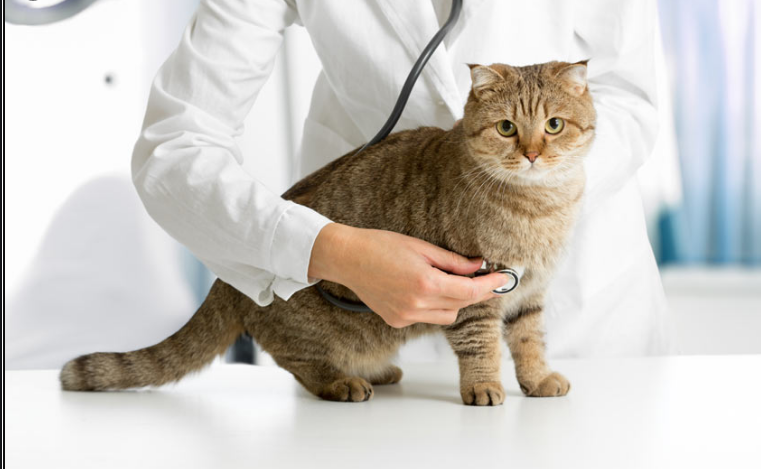
Cats suffer various health problems. Sometimes, they are minor, other times they are severe.
Knowing your cat so well, you will agree with me that the feline family can hide pain a great deal. So, it may be challenging to tell when your furball is having cat health problems.
Not to worry, I have compiled a list of the top 10 cat health problems in this article to prepare you for any upcoming hit.
You will learn how to identify and manage these problems as you read on.
Let’s get to it!
The Top 10 Cat Health Problems
-
Dental/Gum Problems
One major health problem your cat can face is a dental problem. It begins with bacteria growing in your cat’s gums or teeth surface.
This gradually leads to tartar build-up. And if tartar is not removed on time, your cat’s teeth could be damaged forever.
(*tartar – hard yellow or brown deposits)
Signs/symptoms
- Unusual pawing around the mouth
- Bad breath
- Difficulty eating
- Loose teeth
- Ulcers on the tongue or gums
- Discoloured/red gums
- Excessive drooling
Causes
- Feeding on the wrong stuff
- Poor dental hygiene
Treatment
- Your veterinarian dentist will remove tartar and prescribe medications if need be.
Prevention
- Feed your cat both dry and wet food
- Brush your cat’s teeth regularly
- Send her to the vet’s for periodic ultrasonic scaling and cleaning
-
Diarrhoea/Vomiting
Secondly on our list of top cat health problems is diarrhoea/vomiting. There is hardly a cat that does not suffer this.
Sometimes, diarrhoea and vomiting indicate a more serious health issue. Most commonly, it is an aftermath of eating the wrong thing or eating in the wrong manner.
Whenever diarrhoea/vomiting lasts beyond a day, you should take your cat to the vet.
Signs/symptoms
- Frequent stooling/vomiting
- Watery stool
- Bloody or black stools
Causes
Poor feeding habits
Infection or other severe illness
Treatment
- No food for 12 to 24 hours
- Administer fluids to prevent dehydration
- Feed your cat a bland diet
- Use anti-vomiting medications (only when prescribed by your vet)
Prevention
- Feed your cat with high–quality cat food.
-
Infectious Diseases
Another common health problem cats suffer is infections. And different parts of the cat’s body are usually affected.
I discussed different infectious diseases a cat can suffer below:
a. Respiratory Infections
When your cat inhales unclean air or comes in contact with an affected cat, it can result in viral infections in his respiratory system.
Signs/symptoms
- Sneezing
- Nasal discharge
- Breathing difficulties
Treatment
- Use Vetri-Lysine Plus Soft Chews
Prevention
- Boost your cat’s immune system with Vetri-DMG
b. Ear Infections
Cats also suffer ear infections that affect their balance.
Signs/symptoms
- Constant pawing at the ear
Causes
- Abnormal growth of yeast/bacteria in the ear
- Allergies
Treatment
- Use Epi-Otic Advanced Ear Cleanser to clean ear wax and discharge
- Administer topical antibiotics like Animax
Prevention
- Clean your cat’s ears regularly
c. Eye Infections
Eye infections result in cat eye problems like conjunctivitis, glaucoma, corneal ulcer, cataracts, retinal disease, etc.
The earlier you deal with eye infections in your cat, the better, to avoid complications.
Signs/symptoms
- Squinting
- Pawing at the eye
- Goop at eye corners
- Cloudiness
- Teary eyes
- Red/white eyelid linings
- A visible third eyelid
Treatment
- Your vet will identify the underlying cause and suggest solutions
Prevention
- Keep your cat safe from allergies
- Clean her eyes with damp cotton balls as often as possible.
d. Feline Immunodeficiency Virus (FIV)
This is a life-threatening viral infection in cats. It is similar to HIV in humans. Cats diagnosed with FIV are prone to a range of other infections and diseases.
The condition cannot be cured but it can be managed. FIV is only contagious among cats and it takes a long time before symptoms begin to show.
Signs/symptoms
- Fever
- Anaemia
- Poor appetite
- Weight loss
- Diarrhoea
- Dishevelled coat
- Abnormal appearance of the eye
Management
- Neutering
- Confinement
- Quality nutrition
- Veterinary health checks
- Routine healthcare
- Treatment of secondary illnesses
- Administer interferon and antiviral drugs
e. Feline Lower Urinary Tract Disease (FLUTD)
FLUTD refers to a group of feline diseases that affects your cat’s lower urinary system (bladder and urethra). Any such condition can be very challenging for your cat.
You should report to your vet whenever you suspect that your cat is having any urinary difficulty.
Signs/symptoms:
- Difficulty urinating
- Blood in urine
- Insatiable thirst
- Licking the urinary area to relieve pain
- Vomiting
- Dehydration
- Depression
Causes
- Overweight
- Feeding on only dry food
- Stress
Treatment
- Your vet will identify the underlying cause and proffer a solution
Prevention
- Routine health checks
- Maintaining cat hygiene
-
Obesity
The fourth item on our list of top cat health problems is obesity. It results from a combination of inactivity and overfeeding. Obesity exposes your cat to joint pain, diabetes, kidney, heart, and liver problems.
Your cat is obese when:
- You cannot feel her ribs easily
- The fat on her sides is easy to feel.
- She has a rounded abdomen
- Her flank folds are protrusive, and ripple when she moves.
- She is not willing to play and recce.
Management
- Neutering
- Exercising
- Encourage play with toys
- Cut down treats
-
Cancer
As you already know, cancer involves the uncontrollable growth of cells in the surrounding tissue and may spread to other parts of the body.
A cat suffering any kind of cancer needs all the support she can get.
Cancer types common in cats are:
- Squamous cell carcinoma of the ear, eyelid or nose
- Lymphosarcoma or lymphoma (LSA)
Signs/symptoms
- Lumps
- Swelling
- Persistent sores
- Abnormal discharge from any body part
- Bad breath
- Lethargy
- Weight loss
- Sudden lameness
- Diarrhoea/vomiting
- Difficulty breathing, urinating or defecating
- Change in behaviour
Treatment
Greatly depends on the underlying cause. Top options are:
- Surgery
- Chemotherapy
- Radiation
- Immunotherapy
- Combination of therapies.
Causes
- Hereditary factors
- Environmental factors
Prevention
- Protect your cat from repeated sun exposure
- Spay your cat before her first heat cycle.
-
Diabetes
Diabetes is one of the top cat health problems. It is a condition best described by high blood sugar levels. Though it has no cure, it can be managed.
Diabetes exposes your cat to kidney disease, neurological disorders, or other metabolic diseases.
Signs/symptoms
- Increased or decreased appetite
- Weight loss
- Unquenchable thirst
- Excessive urination
- Weakness
- Dehydration
- Urinary tract infection
Causes
- Lack of insulin (a hormone) or an inadequate response to insulin.
Risk factors
- Genetics
- Pancreatic disease
- Some medications
- Abnormal protein deposits in the pancreas
- Obesity
- Male gender
- Old age
Management
- Insulin therapy
- Oral medications
- High fibre diet
- Sync feeding time with insulin medications
- No sugary treats
Prevention
- Adequate diet
- Regular exercising
-
Kidney disease
Here, we are looking at the diseases that affect your cat’s kidney. Once the kidney is in a bad shape, it affects how well or easily your cat will pass out waste via urine.
When these wastes are not removed, toxins are compiled in her bloodstream, leading to further complications
Signs/symptoms
- Reduced appetite
- Weight loss
- Vomiting/diarrhoea
- Weakness
Causes
- High blood pressure
- Exposure to toxins
- Infection
- Kidney stones
- Cancer
- Old Age
Treatment
- Your vet will proffer solution to the condition that leads to the kidney disease
- Dialysis or a kidney transplant in severe cases
-
Worms
Cats also suffer worm infestations. Most times, these worms affect the intestines of cats but they also find their way to other body parts like the heart and lungs.
Common worms are:
- Roundworms – from infected breast milk or excreta
- Hookworms – feeds on blood, contracted through excreta
- Tapeworms – cause vomiting or weight loss. Gotten from ingested affected prey. Some segments of tapeworm can be found in the hind fur of an affected cat
- Lungworms – resides in the lungs and can result in coughing. Contracted from eating affected rodents
- Heartworms – grow in the heart and lungs of the cat, choking the cat over time.
Signs/symptoms
- Diarrhoea/Vomiting
- Bloody stool
- Worms in stool or segments of worm around the anus
- The abdomen appears bloated or potbellied
- Anaemia
- Coughing
- Breathing difficulties
Risk factors
- Exposure to the excreta of other animals
- Absence of preventive healthcare
Treatment
- Depends on the worm in question; dewormers usually suffice. But don’t try to deworm your cat yourself.
Prevention
- Keep your house free of fleas
- Your cat is safer indoors
- Practice good hygiene when handling your cat’s litter
- Subscribe to a recommended internal parasite prevention program for your cat.
-
Fracture/broken bones
Here’s another common health problem cats suffer. Since cats are very good at masking their pain, it can be difficult to know when they have had a fracture. And a simple fall can lead to a fracture.
Signs/symptoms
- Consistent loud moaning or howling
- Loss of appetite
- Swelling in the affected area
Your cat stands a better chance if she gets treated in time. So, let your vet know when you suspect a fracture.
-
Fleas
The last item on our list of top cat health problems is fleas. They are parasites that feed on your pet’s blood.
No one likes to have them around but they do exist and you need to protect your cat from them.
Research shows that almost every cat will have fleas’ problems. Some are born and some others suffer it closely after birth.
Signs/symptoms
- Scratching
- Hair loss
- Bald patches
- Fleas, flea eggs or excretions in cat’s fur
Treatment
- Topical application of flea-control products meant for cats
Before we wrap it up, here are some preventive healthcare tips for your cat. Needless to say, prevention is better than cure.
Tag along!
How To Prevent Cat Health Problems – 6 Cat Healthcare Tips
These are the basic preventive healthcare tips you should not deprive your cat:
#1 Feeding – give your cat a balanced diet. Always confirm with your vet that your cat is getting all the nutrients he needs for his age.
#2 Vaccination – this protects your cat from viral diseases and other ill conditions that may develop.
#3 Parasite Control – this covers both parasites and pests. Intestinal worms compete with your pet for nutrients which results in disturbing symptoms.
Pests like tick, fleas, lice do no lesser damage from the aside.
Follow your vet’s directives on deworming medications and pest control to protect your cat.
#4 Routine Check-Ups – never miss this. It will help discover hidden conditions in your cat and aid quick treatment.
#5 Hygiene – practising good hygiene will help your cat stay healthy always. Brush her teeth and coat regularly. Give her a bath when you can and change the litter as required.
Quality products you use for your cat’s oral hygiene include C.E.T. Enzymatic Toothpaste, C.E.T AquaDent, C.E.T. Oral Hygiene Chews, Leba III, and Vetzlife.
#6 Spaying and Neutering – make a good option for preventing uterine infections, catfights, roaming, and overpopulation in the future.
Conclusion
This is where we’ll draw the drapes on our discussion on top cat health problems. I hope you have learned a lot.
Have any questions or suggestions? Let’s have them in the comments section right now!
Remember to practice the health care tips shared in this article. Your cat will love you more.
Before you go, share this post with other pet owners on your list. Thank you!`
- Pet Behavior
- Pet Breeds
- Pet Names
- Pet Adoption
- Pet Training
- Cat Stories
- Pet Health
- Adorable Pets
- Cats
- Understanding Cat Dental Plaque: Causes, Symptoms & Proven Treatments
- Cat Nausea Explained: Causes, Symptoms, and Treatment Guide
- Understanding Cat Lice: Symptoms, Treatments & Prevention Tips
- Cat Acne Explained: Causes, Effective Treatments, and Prevention Tips
- Cat Fleas 101: Symptoms, Causes, and Effective Treatments
- Understanding Your Cat’s Itchiness: Causes, Symptoms, and Effective Treatments
- Understanding Cat Dementia: Symptoms, Causes, and Effective Treatments