

Top 9 Cat Eye Issues: Symptoms, Causes, and How to Protect Your Feline’s Vision
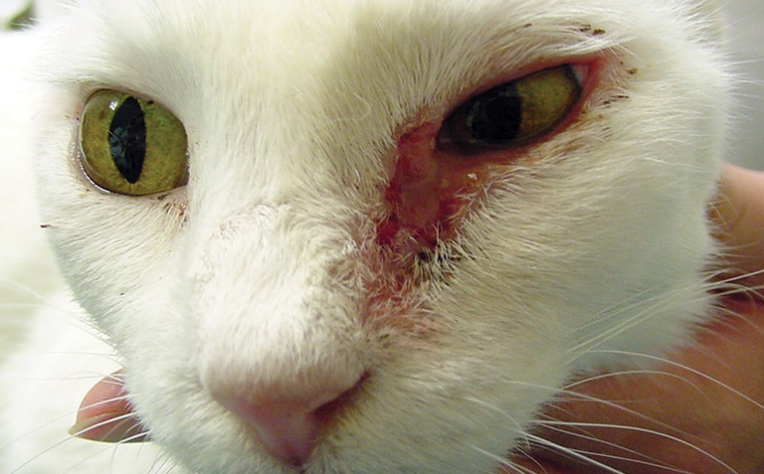
One major thing that endears me to my dear Rubbie is her eyes. I bet you can say the same for your cat as well. Not just the beauty alone but the functionality that makes the eyes of the cat one of its strongest attributes.
Sadly, cat eye problems try to rob our cats of their beauty, reduce their vision, and even affect their lives’ quality. It is, therefore, expedient that you seek a solution once you notice any disturbing changes in your cat’s eyes or her overall behaviour.
And to make your job easier, I have discussed in this article, 9 common cat eye problems, their signs, causes, and treatment. You will also find signs that will help you detect when your cat is having an eye problem, and how to prevent cat eye problems.
If you are ready, let’s get started!
Basic Parts Of A Cat’s Eyes
Since cat eye problems affect different parts of a cat’s eyes, let’s first discuss the basic eye parts:
Cornea – this is the external covering of the eyeball. It is transparent.
Pupil – located at the centre of the eye; it is the circular membrane through which light enters the eye.
Iris – this is the round, pigmented membrane surrounding the pupil. It controls the amount of light entering the eye as it contracts or relaxes. It is the iris that determines the colour of a cat’s eyes.
Lens – the second part of the eye that lies directly behind the iris and the pupil. It is made of transparent flexible tissue. The lens adjusts its shape to focus light and images on the retina.
Retina – this is a very sensitive part of the eye. It is here that the light entering the eye is received and images are formed. Also, it is the membrane that lines the interior surface of the eyeball. The retina sends these images to the brain for interpretation.
Optic nerve – the medium through which information is sent from the retina to the brain. It lies at the back of the eyes.
Third eyelid – also called “haw”. This is a thin, pale membrane located at the inner corner of the eye. It lies between the lower eyelid and the eyeball.
This part of the eye helps to keep the surface of the eyeball moist and protect it from being scratched.
Tapetum lucidum – a special tissue layer under the retina. It reflects any light that was not absorbed by the retina when it first passed through the eye. The retina can then receive the light and process the needed information.
This feature boosts the sensitivity of a cat to light even more than the human eye.
Next, we’ll learn the signs that show your cat is having an eye problem.
Read on!
Signs That Your Cat Is Having An Eye Problem
As you bond with your feline companion, there’s likely an eye problem on the way if notice any of the following:
- puffiness or swelling
- red or irritated areas
- Different sizes of pupils
- discharge or crust at eye corners
- squinting or excessive blinking
- decreased appetite (eye and facial pain are culprits)
Note: whenever you observe any of these signs in your cat, do not try to diagnose the problem by yourself or even offer treatment. Rather, send your cat to the vet for proper diagnosis. Sometimes, eye problems could be a manifestation of a more serious health condition.
Moving, we’ll discuss the major causes of cat eye problems.
Keep reading!
Major Causes Of Cat Eye Problems
Age
Though it is not the case with every cat, most cats develop eye problems as they age. Common cat eye problems associated with ageing are cataract and dry eyes
Genes
Glaucoma is a major cat eye problem that can be inherited. Some viral diseases can also be transferred from cat to kitten.
Environment
When a cat is not in a safe environment, she can have her eye scratched by other cats during a fight or harmful objects.
The release of pollen grains and other harmful fragrances can also irritate your cat’s eyes. So, you want to be sure her environment is as safe as possible.
Hypertension
Hypertension is a major cause of cat eye problems. If left untreated, the retina can detach and your cat may become blind.
Viral diseases
Like hypertension, the presence of a viral disease could be the reason your cat is having an eye problem.
Examples of such diseases are herpes, feline leukaemia, and feline infectious peritonitis. They are also contagious.
Vaccination and separating your cat from outdoor cats are top solutions here.
Hyperthyroidism, diabetes, and kidney disease
These diseases can also cause cat eye problems. However, if you are committed to sending your cat to the vet for routine diagnostics and examination, these issues will be discovered and resolved, before they manifest as cat eye problems.
9 Common Cat Eye Problems
Here, we’ll discuss 9 common cat eye problems, their signs, and treatment.
-
Injuries and Irritation
This is the first cat eye problem on our list because almost every cat is susceptible to injuries and irritation.
Injuries occur when a foreign body comes in contact with the eye or the eye gets a scratch. Foreign bodies include tiny objects around the home, plant parts, sticks, pollen, or debris.
Signs: the third eyelid becomes visible and appears swollen.
Treatment: your vet will check for scratches or ulcerations on your cat’s eye and find a solution.
Talking about irritation, materials that can irritate your cat’s eyes are strong fragrances, cleaning chemicals, tobacco smoke, and dust.
Signs: discomfort expressed as squinting, rubbing, redness, and discharge.
Treatment: rinse your cat’s eyes with an eye-wash solution. Also, get rid of the irritant. And report to your vet if there is no improvement.
-
Infections
As for infections, cats can suffer eye infections when they get exposed to harmful microorganisms like bacteria, fungi, viruses, and sometimes, parasites.
Signs: squinting, redness, swelling, discharge, and pawing at the infected eye.
Treatment: determined by the organism responsible for the infection.
For example, mild viral infections can be resolved with rest, clearing the eyes and nose, improved hydration, and good nutrition.
Topical eye ointments and systemic medications can also help.
-
Conjunctivitis
You must be familiar with the term conjunctivitis or “pink eye.” It is an eye condition that is common to both man and cat.
Conjunctivitis is the inflammation of the conjunctiva, i.e. the pink membrane that covers the eyeball. The causative organism is the herpes virus and it is highly contagious.
It can also result from bacteria or other viral infections. And young cats are usually the most affected.
Signs: squinting, redness of cornea, persistent blinking, cloudy discharge.
Treatment: anti-inflammatory drugs and antibiotics, surgery in serious cases.
-
Corneal Ulcers
This is a cat-eye problem that involves an open sore on the cornea. It results in the cornea appearing cloudy. In severe cases, the cornea may die and leave behind a discoloured dark spot.
Corneal ulcers occur mostly in outdoor cats as they can easily get injured in the eyes. Other causes of this eye problem are trauma or burns, Infection, low amount of tears, and paralysis of a facial nerve.
It can be cured if discovered early but when it is ignored for a long time, it can result in blindness and even deformation.
Signs: squinting, discharge, redness and swelling around the eye
Treatment: right antibiotics and pain medications for mild corneal ulcers. Then surgery for deep ulcers.
-
Uveitis
Uveitis refers to the inflammation of the tissue in the middle layer of the eye. Due to this inflammation, the eye’s ducts are blocked by debris thus, mounting much pressure within the eye.
The exact cause of uveitis is unknown but corneal ulcers and infections have been found to increase the risk of occurrence.
And if not tackled on time, uveitis can lead to glaucoma or even blindness
Signs: change in colour or size of the iris or pupil, redness of the eyelid, squinting, light sensitivity, blurry vision
Treatment: eye drops and medications can be used to reduce pain and inflammation.
-
Glaucoma
This is a very painful cat eye problem. It occurs when there’s so much pressure on the eyes from fluid build-up without any means of escape.
Major causes of glaucoma are infections, inflammation, eye trauma, and tumours. It is also hereditary.
Signs: cloudy eyes, enlarged eyeballs, redness of eyes, squinting, rubbing of eyes, and yowling.
Treatment: deal with the underlying cause, give medications to reduce pressure in eyes. In severe cases, the affected eye may be removed.
-
Cataract
Cataract is an eye condition where the cat’s eye lens becomes cloudy. In this case, light cannot reach the back of the eyes and so, the cat can’t see with that eye anymore.
This condition can be traced to calcium deficiency, ageing, diabetes mellitus, electric shock, or exposure to radiation or toxin.
Sadly, cataract may not be observed until your cat begins to show signs of impaired vision.
Signs: cloudy eyes, vision loss (cat bumps into things)
Treatment: surgery
-
Retina Problems
Another cat eye problem is the problems of the retina.
One is progressive retinal atrophy, where the retinal tissue degenerates and stops functioning properly;
There is also retinal detachment, where the retina is separated from its underlying tissue. This leads to leakage of fluid between the two layers.
Retinal detachment can be traced to high blood pressure, hyperthyroidism, or kidney disease.
Retinal problems may or may not be restored after treatment but early diagnosis and prompt action improve the possibility of restoration.
Signs: poor cat movements like knocking down objects.
Treatment: evacuating and replacing the fluid in the eye or any other solution suggested by your vet
-
Exophthalmos & Enophthalmos
Exophthalmos is a cat eye problem characterized by a bulging eyeball. It is caused by a mass growing behind the eyeball.
Signs: fever, eye pus, the eye cannot be closed, inflammation of cornea, discharge, and pain when opening the mouth.
Treatment: surgery and or radiation and chemotherapy.
For Enophthalmos, the reverse is the case, i.e. the eyeball recesses back into the skull. Here, the eyeball loses some of its volume, causing it to shrink.
It can be caused by dehydration or by a cancerous mass
Cat breeds with long, narrow heads are mostly at risk for this disease.
Treatment: intravenous infusion if the cause is dehydration; and surgery, chemotherapy, and or radiation therapy when the condition is caused by a cancerous mass.
In the next section, you will find how you can prevent cat eye problems.
Keep reading!
How To Prevent Cat Eye Problems
Here are a few things you can do to protect your cat’s eyes:
- Commit to sending your cat to the vet for a routine examination. This will help you discover eye problems or underlying causes in time and find a quick solution.
- Give your cat high-quality meat-based cat food always. Good nutrition will boost your cat’s immune system against infections.
- Ensure she gets all the needed vaccinations.
- Except when you are taking her out for a walk or play (with you around), keep your cat indoors. This will help reduce her contact with outdoor cats that are suffering contagious eye problems.
It will also protect her from unnecessary fights that can damage her eyes. Peradventure she leaves the house without your consent or stays out without your supervision, check for any disturbing changes when she returns.
- Conduct visual inspections on your cat when you pet her. Notice anything unusual? Call your vet right away.
- Do your best to keep your cat’s surroundings free of harmful objects that can scratch her eyes.
Conclusion
Your cat’s eyes just like yours are very delicate and vital. I encourage you to follow the ideas shared in this article to protect your cat’s eyes. And if after you have done your best, your cat still develops an eye problem, send her to your vet for treatment. You cannot do much for her by yourself.
I hope you enjoyed reading this article. Please share it with other cat lovers. Also, feel free to share your thoughts on cat eye problems and ask any questions you may have in the comments.
- Pet Behavior
- Pet Breeds
- Pet Names
- Pet Adoption
- Pet Training
- Cat Stories
- Pet Health
- Adorable Pets
- Cats
- Understanding and Treating Common Skin Issues in Cats
- Understanding Ragdoll Cat Humping: Causes, Signs, and Solutions
- Tell Us Your Most Frustrating Cat Problem—We’re Here to Help
- Cat Eye Health 101: Common Issues and How to Spot Them
- Understanding and Treating Common Eye Issues in Pets
- Understanding Cat Ear Problems: Causes, Symptoms, and Effective Treatments
- Essential Guide to Common Cat Eye Problems and How to Protect Your Pet