

Everything You Need to Know About FIV (Feline AIDS) – Expert Care Guide
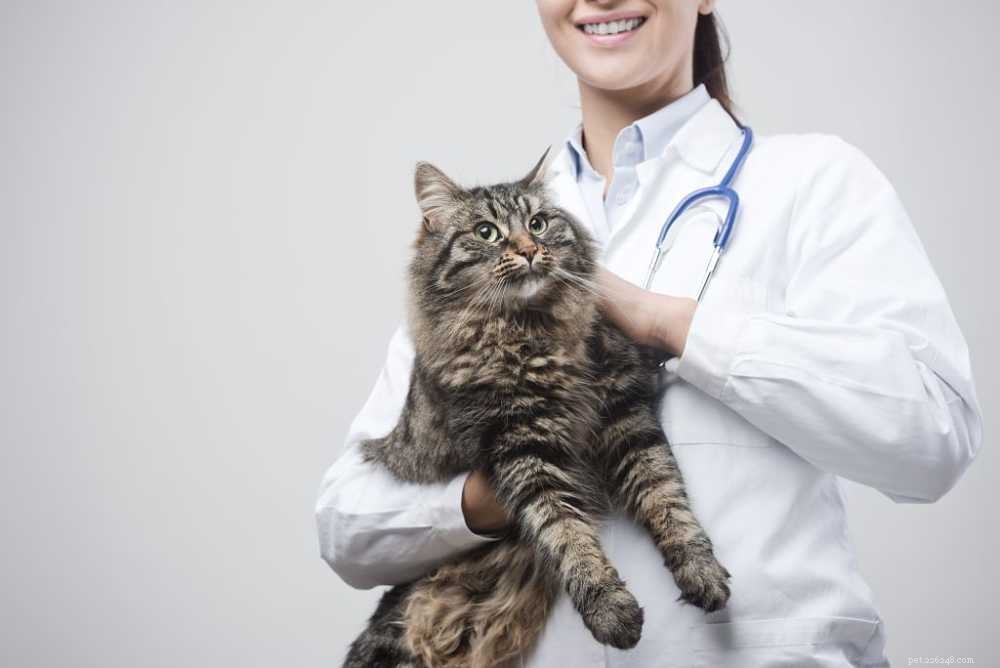
The feline immunodeficiency virus (FIV) is a slow-acting virus that affects the immune system of cats. Although it can stay inactive for a long time, FIV can have severe effects once the symptoms start to appear. A compromised immune system means that the infected cat becomes susceptible to various other diseases.
There is no cure for FIV, but infected cats can still have long, happy and normal lives if they are given proper care. For instance, supportive medical care and a stress-free indoor environment may allow your kitty to live for years without developing feline AIDS. Keep reading to know more about the causes, symptoms and treatment of FIV in cats.
Table of Contents
What causes FIV in cats?
UK Pets suggest some of the ways in which the feline immunodeficiency virus can be transmitted from one cat to another.
Bite wounds – Most cats get infected with the FIV through scratches and bite wounds. The chances of this type of transmission are significantly high during fights, especially in territorial disputes with outdoor cats.
During birth – Although this is NOT very common, some mother cats can also transfer this virus to their kittens. If a kitten is FIV-positive during his/her early months (4-6 months), he/she is NOT necessarily infected. Instead, the virus (and the antibodies) has been transferred in its bloodstream from the mother. Kittens who do initially test positive will need a re-test (after 6 months) to confirm whether he/she is infected or not. If the kittens do test negative under six months, you can basically rest assured that any future test will also yield a negative result.
Sexual transmission – It’s true that FIV is found in the semen of male cats. However, cases of sexual transmission are extremely rare and only done when the male cat bites the scruff of the female cat during intercourse. Likewise, this virus doesn’t seem to spread through casual modes of contact, like social grooming and shared food bowls.
Signs and symptoms of Feline AIDS
The symptoms of FIV are generally NOT visible during the early years of infection. However, they will continue to progress once the signs of illness start to appear. According to WebMD, enlarged lymph nodes are one of the primary indicators of the feline aids. Some other signs of FIV include:
- Sneezing
- Discharge from eyes or nose
- Conjunctivitis
- Inflammation of the gums and mouth
- Dental disease
- Poor appetite, resulting in weight loss
- Frequent urination or straining to urinate
- Behavioral changes
- Hair loss
- Wounds not healing
- Anemia
Diagnosis of feline AIDS
It can be quite difficult to diagnose FIV because many cats NEVER show any symptoms. Therefore, it is highly recommended to always get a new kitty which you plan to bring home, tested beforehand, especially if you have other cats at home.
- Pet Behavior
- Pet Breeds
- Pet Names
- Pet Adoption
- Pet Training
- Cat Stories
- Pet Health
- Adorable Pets
- Cats
- Pancreatitis in Cats: What Every Owner Should Know
- Understanding Cat Conjunctivitis: Causes, Symptoms, and Effective Treatments
- Understanding and Managing Cat Hairballs: Prevention, Symptoms, and Treatment
- Essential Guide to Cat Vaccinations: Protect Your Feline’s Health
- Comprehensive Guide to Rabies in Cats: Symptoms, Transmission, and Prevention
- Catnip Explained: Benefits, Uses, and Science Behind the Feline Favorite
- Comprehensive Guide to Cat Worms: Prevention, Symptoms, and Treatment