

Cat Vomiting: 7 Common Causes & Practical Ways to Help
Most cat owners are all too familiar with the characteristic hacking sound of cat vomiting. But just because we’ve all heard it, doesn’t mean it should be a regular occurrence.
Vomiting in cats can often be an early sign of illness, so be careful not to overlook this important change in your cat’s health.
How Often Do Cats Vomit?
We used to think that some cats were just “pukers” but we now know that chronic vomiting is a sign of an underlying problem. It’s normal for cats to have the occasional hairball due to their fastidious grooming behaviors, but vomiting that’s not related to hairballs is a sign of a medical issue.
If your cat vomits multiple times in a day or if you notice an increase in the frequency of vomiting, it’s best to discuss the problem with your veterinarian.
Types of Cat Vomit
Cats can vomit due to a wide variety of different causes and the appearance of the vomit may vary depending on the cause.
Most cat owners are familiar with hairballs, which occur when the cat ingests large quantities of hair during normal grooming. This hair cannot be digested and may be vomited back out of the digestive tract.
Vomit from other, more serious causes may include blood, bile, mucus, or partially digested food. The frequency, timing, and appearance of the vomit are all important factors to discuss with your veterinarian.
It can also be helpful for pet parents to be aware of the differences between vomiting and regurgitation.
Vomiting is the forceful expulsion of stomach and upper intestinal contents, while regurgitation is the expulsion of the contents from the mouth, throat, and esophagus. Vomiting is an active process, often lasting several minutes, during which the cat may look unwell, drool, retch, display abdominal heaving, and finally vomit.
Regurgitation, on the other hand, happens quickly and often without warning. The cat is typically fine one minute, then suddenly “spits up” without retching or heaving. Identifying which of these two processes your cat is experiencing can help you and your veterinarian narrow down the possible causes of the problem.
Cat Vomit Color Chart
Pet parents often want to try to diagnose the cause of their cat’s vomiting based on the color or consistency of the vomit. Unfortunately, the diagnosis is not that simple. The color of a cat’s vomit can vary depending on what the cat has eaten (including any non-food items!), any dyes used in the food or treats the cat eats, and a number of other factors.
Because of this, color is not a reliable way to diagnose the cause of your cat’s vomiting. While the following chart may be helpful, you should talk to your veterinarian.
| Cat Vomit Color | Possible Meaning |
|---|---|
| Yellow, orange, or brown | May occur due to the presence of partially digested food and bile in the stomach. |
| Red or pink | May indicate the presence of blood. Or may be due to ingested foreign material or dyes used in the cat’s food and treats. |
| Clear or white | May occur due to the regurgitation of saliva from the esophagus or when the cat vomits with an empty stomach. |
| Green | Can sometimes occur due to the presence of bile or because the cat has ingested green foreign material or foods using green dyes. |
| Black or brown | Black or brown cat vomit that looks like coffee grounds can be a sign of bleeding in the digestive tract and should be addressed by your veterinarian immediately. |
It is important to note that this is absolutely not an exhaustive list and your cat must see a veterinarian in order to accurately diagnose the problem.
Why Do Cats Vomit? 7 Causes of Cat Vomiting
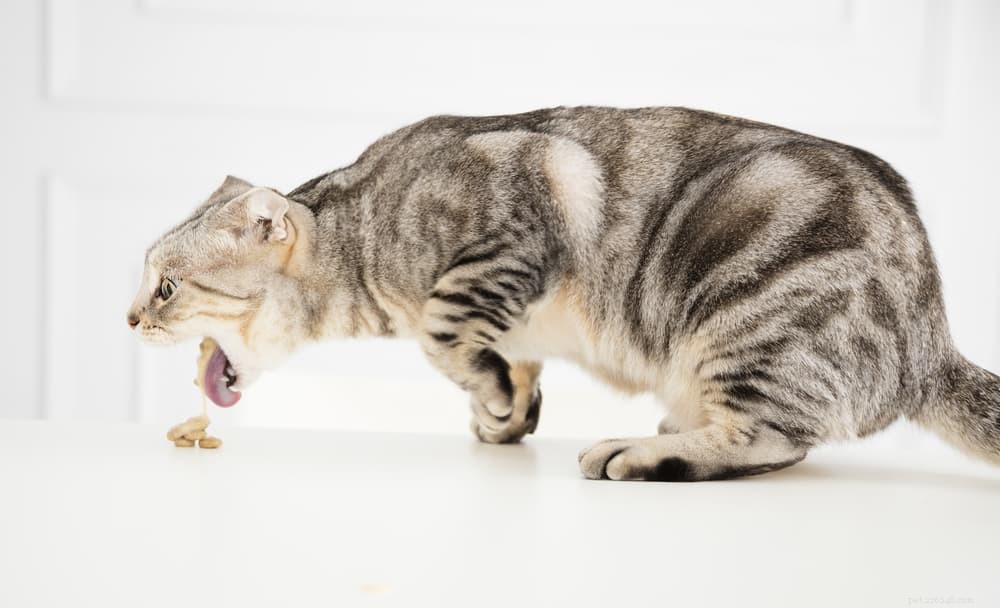
Just like humans, cats can vomit for many different reasons. Some causes of cat vomiting are relatively benign and may even resolve on their own, while others can be much more serious.
Here are a few of the most common reasons why cats vomit.
Hairballs
As cats lick themselves, their rough tongues pull loose fur out of their coats which is then swallowed. Large volumes of hair can accumulate in the stomach and are not easily digested, leading the cat to vomit a hairball. This cause of vomiting is usually nothing to worry about, but if your cat has hairballs frequently you may want to address this with your veterinarian. In some cases, hairballs can be an early sign of a gastrointestinal problem.
Gastroenteritis
Gastroenteritis is essentially a fancy term for an upset stomach, which can occur as a result of dietary indiscretion, toxins, or medication side effects, among other things. Some causes of gastroenteritis are mild and will resolve on their own, but others can be more serious and will need a vet’s attention.
Foreign Bodies or Obstructions
If your cat eats foreign material—such as a toy, pieces of string, a hair tie, or other foreign objects—this may cause blockage and damage to the GI tract that can lead to vomiting. This cause of vomiting is serious and requires immediate veterinary attention.
Food Allergies and Inflammatory Bowel Disease
Allergies are fairly uncommon in cats, but they can lead to vomiting due to the inflammation of the digestive tract that occurs when the cat eats a trigger food. Some cats may also experience chronic diarrhea as a result of these conditions.
Systemic Illnesses
Chronic illnesses such as kidney disease, pancreatitis, and hyperthyroidism can all cause nausea and chronic vomiting due to various mechanisms. Addressing these causes of vomiting requires identifying the underlying condition, and many of these conditions require lifelong management.
Parasites
This cause of vomiting is more common in kittens, but can occur in animals of any age. Occasionally, pet owners will even see live worms in the vomit. The good news is that treating the parasites often resolves the vomiting.
Cancer
Cancers of the digestive tract are fairly common in cats and can cause vomiting by interfering with normal digestion. Cancers in other areas of the body can also cause feelings of nausea, discomfort, and malaise which can also lead to vomiting.
Cat Vomiting: When to Worry
It’s normal for your cat to have the occasional hairball, but any change in the frequency, volume, or consistency of vomiting is a cause for concern.
Vomiting in cats is especially concerning if it is accompanied by other symptoms such as:
- Loss of appetite
- Lethargy
- Fever
- Diarrhea
- Changes in litter box habits
- Other changes in health and behavior
If you notice these symptoms in your pet, contact your veterinarian for further guidance.
Cat Vomiting Treatment
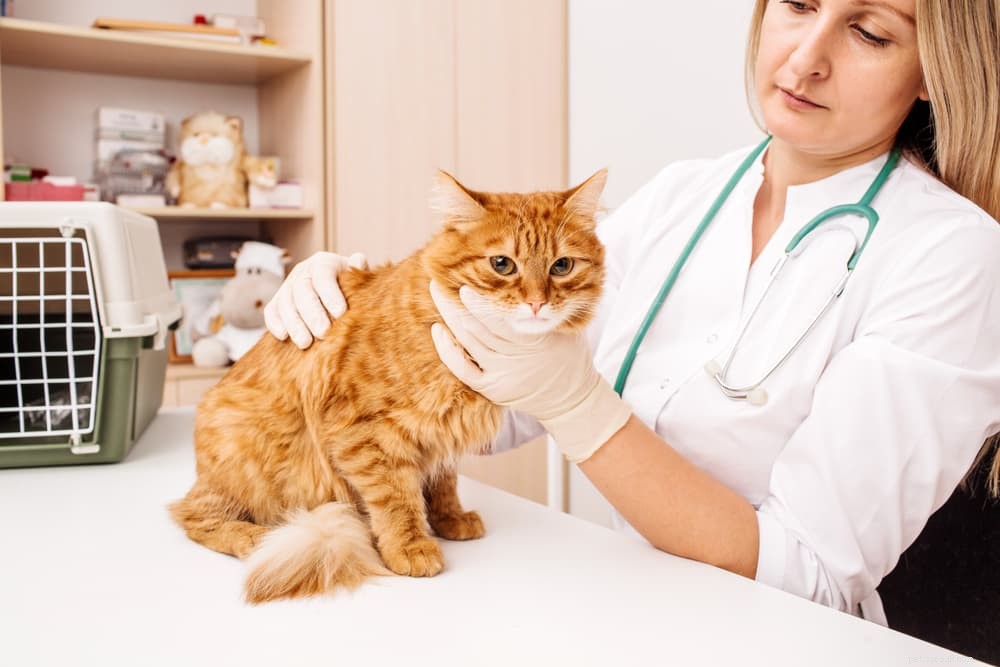
Because vomiting can be caused by so many different conditions, there are also many different treatments.
If your cat’s vomiting is due to cancer or a systemic illness such as chronic kidney disease, diagnosing and treating the underlying condition will be the primary goal.
For mild cases of vomiting due to hairballs or gastroenteritis, your veterinarian may prescribe supportive care such as antiemetic medications (like Cerenia) and antacids.
Occasionally your cat may need a change in diet or even a prescription diet, particularly if the vomiting is due to an underlying food allergy or inflammatory bowel disease.
Vomiting due to a foreign body or obstruction of the GI tract is particularly serious. In many cases, the foreign material will not pass through the GI tract on its own and may cause serious damage if it is not removed immediately. To treat this type of vomiting, your veterinarian may recommend emergency surgery to remove the foreign material and any damaged sections of intestine.
Home Remedies for Cat Vomiting
It’s best not to try to treat your cat’s vomiting at home without consulting your veterinarian first. Many causes of cat vomiting, such as a foreign body or obstruction, can cause severe damage or even death if not appropriately treated right away.
If your cat’s vomiting is simply due to hairballs, your veterinarian may recommend giving an over-the-counter hairball treatment daily to help the hair pass through your cat’s digestive tract.
Never give your cat any medications—either prescription or over-the-counter products— unless directed to do so by your veterinarian.
How to Prevent Cat Vomiting
Many causes of cat vomiting can be prevented. Try these measures to keep your cat’s digestive system healthy:
Consider your cat’s diet. Make sure your cat is eating a high-quality and balanced diet, and do not feed too many treats or table scraps.
Watch for non-food items. Do not allow your cat to ingest any non-food items such as pieces of toys, string, or house plants.
Ask your vet about special diets. If your cat has been diagnosed with a condition such as food allergies or inflammatory bowel disease, feeding a special diet as prescribed by your veterinarian may prevent vomiting.
Consider an OTC hairball remedy. Finally, for long-haired cats or those that have frequent hairballs, ask your veterinarian about over-the-counter products to help prevent vomiting due to hairballs.
- Pet Behavior
- Pet Breeds
- Pet Names
- Pet Adoption
- Pet Training
- Cat Stories
- Pet Health
- Adorable Pets
- Cats
- Do Cats Grieve? Understanding Cat Grief & How to Support Your Pet
- 10 Root Causes of Cat Aggression & Proven Ways to Manage It
- Understanding and Managing Cat Vomiting: Causes, Symptoms, and Treatment
- Understanding Canine Inflammation: Causes, Symptoms & Expert Care Tips
- Dog Constipation Explained: Causes, Symptoms & How to Relieve Your Pup
- Understanding Your Cat's Dry Nose: Causes, Symptoms, and Relief
- Coughing Cats: 11 Common Causes and How to Provide Effective Relief