

Cyproheptadine in Cats: Safe Dosage, Uses, and Side Effect Overview
Wirestock Creators / Shutterstock.com
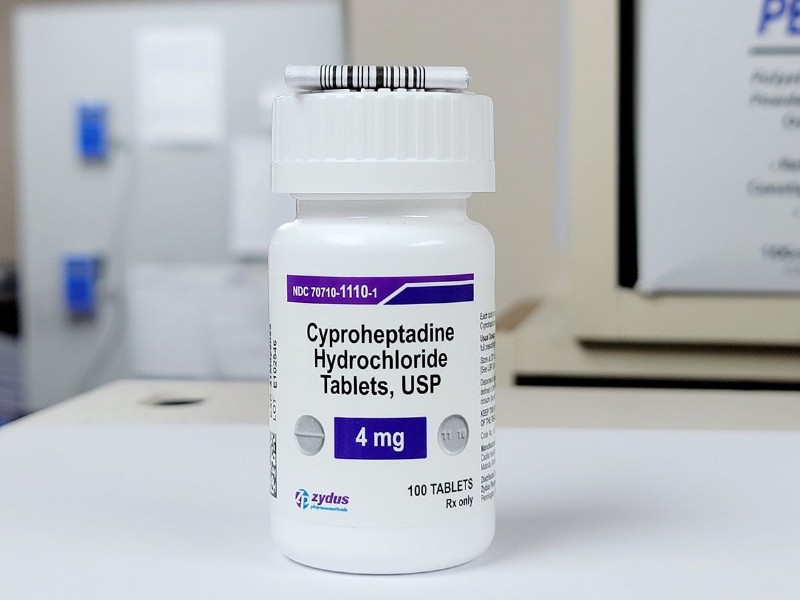
Cyproheptadine is an antihistamine that may be used for appetite stimulation in cats, along with a couple of other applications. In this article, learn about cyproheptadine’s uses, dosing information,and precautions.
Cyproheptadine for Cats Overview

Medication Type:
First generation antihistamine
Form:
Tablets and oral syrup
Prescription Required?:
Yes
Common Names:
Cyproheptadine
Available Dosages:
4mg tablet, 2mg/5ml (0.4mg/ml) oral syrup in 473ml bottle (see precautions in “How to Administer” section
About Cyproheptadine for Cats
Cyproheptadine is a first generation antihistamine. First generation antihistamines cause more drowsiness compared to second and third generation antihistamines as they have a ready ability to cross the blood brain barrier.
Another example of a first generation antihistamine is diphenhydramine (Benadryl). An example of a second generation is cetirizine (Zyrtec) and a third generation is fexofenadine (Allegra).
Second and third generation antihistamines are also less likely to have interactions with other medications.
Cyproheptadine is used most often for cats as an appetite stimulant, though the addition of topical mirtazapine (Mirataz) and capromorelin (Elura) in recent years has led to reduced use.
Cyproheptadine may also be used to reduce negative effects associated with serotonin reuptake inhibitors (SSRIs) like fluoxetine (Prozac) or tricyclic antidepressants (TCA’s) like amitriptyline. An overdose of these types of medications can lead to a condition called serotonin syndrome, which cyproheptadine may be used to treat alongside other therapies.
As an antihistamine, cyproheptadine may be useful for treating cats with histamine-related skin itching and allergic skin conditions.
While not a first choice, cyproheptadine has also been used as a therapy to address urine-spraying behavior in male cats.
Dosing Information for Cyproheptadine for Cats
Cyproheptadine is not FDA approved for use in cats. When it is used in cats, use is considered off-label or extra-label. This is common in veterinary medicine, but also means that use and dosing should always be discussed first with your veterinarian.
For all indications (appetite stimulation, treatment of serotonin syndrome, or for itching and allergies) the generic dose is 2-4 mg per cat. Use every 12 hours is considered best for most cats. It may take 3 days to see benefits.
While this is the most common dosage, it cannot be stressed enough that you should consult with your cat’s veterinarian on the exact dose and treatment protocol, as with any prescription medication. You should never use a prescription medication for your cat that has not been prescribed for them.
How to Administer Cyproheptadine to Cats
Cyproheptadine tablets may be given with or without food.
If your cat vomits or appears nauseated if this medication is given on an empty stomach, try giving the next dose with food or a small treat.
To assist in giving your cat a pill or tablet, see our articles below.
- The 7 Best Cat Foods to Hide Pills In
- How to Give Your Cat a Pill (With 7 Proven Tips!)
The liquid form of cyproheptadine is generally impractical for use in cats with the total volume needed per dose ranging from 5-10 ml. This form may also contain propylene glycol, which can be toxic to cats in certain amounts.
Side Effects of Cyproheptadine for Cats
Cyproheptadine does have sedative effects, not unlike Benadryl, which is also a first generation antihistamine.
Some cats may also have paradoxical agitation, where they become overly excited instead of drowsy.
Cyproheptadine does encourage appetite. This is often a reason why it is prescribed. However, if it is prescribed for another reason (itching, urine marking, treating serotonin syndrome) the increase in appetite may be an unwanted effect.
Some other adverse effects that have been described with cyproheptadine include what are called anticholinergic effects:
- Dry mucus membranes (dry mouth)
- Decreased gastrointestinal motility
- Hyperthermia (high temperature)
- Tachycardia (high heart rate)
- Urine retention
Increased vocalizing may be seen in some cats.
Cyproheptadine should not be used in cats with hepatic lipidosis. Hepatic lipidosis is caused in cats that stop eating, so appetite stimulants are a very common part of therapy. However, cyproheptadine has been associated with further liver toxicity when used in cats with this condition and should be avoided.
Overdose and Emergencies
Overdoses of cyproheptadine appear most often as worse versions of common side effects. That may include severe lethargy (or worsening excitement if a paradoxical response occurs), ravenous appetite, or any of the other potential effects listed previously.
If you suspect your cat received an overdose of cyproheptadine make sure to immediately contact one or more of the following for advice:
- Your veterinarian
- ASPCA Animal Poison Control Center (1-888-426-4435)
- Pet Poison Helpline (1-855-764-7661)
Potential Drug Interactions With Cyproheptadine
Unless specifically noted, using the following medications with cyproheptadine is not necessarily contraindicated but use together should be discussed thoroughly with your veterinarian.
- Acetylcholinesterase inhibitors (neostigmine): use together may reduce efficacy of both
- Anticholinergic agents (atropine, amantadine): may have additive anticholinergic effects (dry mouth, high heart rate and temperature, etc.)
- Cholinergic agonists (pilocarpine): use together may reduce efficacy of both
- Central nervous system (CNS) depressant agents (anesthetic agents, CBD, diazepam/Valium, gabapentin, phenobarbital, tramadol): may increase CNS depressant effects
- Monoamine oxidase inhibitors (MAOIs) (amitraz, selegiline): may cause prolonged and more intense anticholinergic effects. Use together may be considered contraindicated except when cyproheptadine is used to treat serotonin syndrome
- Mirtazapine: these two medications can antagonize each other and use together should be avoided
- Opioids (tramadol, buprenorphine): may increase anticholinergic and/or CNS depressant effects
- Potassium supplements: the reduced GI motility caused by cyproheptadine can lead to GI ulcer formation if oral potassium supplements are used
- Tricyclic antidepressants (TCA) (amitriptyline, clomipramine): may decrease TCA activity
How to Store Cyproheptadine
Cyproheptadine tablets can be stored at 68-77 degrees F (20-25 degrees C). The oral syrup should never be frozen and should be stored in a light-resistant container.
-
A Budde, J., & A McCluskey, D. (2023). Cyproheptadine [Professional app]. In Plumb’s Veterinary Drug Handbook (10th ed.). Wiley Blackwell.
-
Cyproheptadine. (n.d.). VCA.
-
Forney, B. (2022, July 11). Cyproheptadine for Dogs, Cats, and Horses. Wedgewood.
-
Norris, C. R., Boothe, D. M., Esparza, T., Gray, C., & Ragsdale, M. (1998). Disposition of cyproheptadine in cats after intravenous or oral administration of a single dose. American Journal of Veterinary Research, 59(1), 79–81. https://doi.org/10.2460/ajvr.1998.59.01.79
-
Hogan, L. (2024, December 12). What’s the Difference Between First-Generation and Second-Generation Antihistamines? (M. Ratini, Ed.). WebMD.
- Pet Behavior
- Pet Breeds
- Pet Names
- Pet Adoption
- Pet Training
- Cat Stories
- Pet Health
- Adorable Pets
- Cats
- Understanding Canine Colitis: Key Causes and Prevention
- 7 Must‑Learn Dog Tricks That Simplify Your Life
- Can Dogs Eat Popsicles? Expert Guide on Safe Treats
- Seven Proven Habits for Highly Effective Dog Owners
- Are Cherries Safe for Rabbits? A Guide to Feeding Your Rabbit Healthy Treats
- How Dogs Express Emotions: A Comprehensive Owner’s Guide
- The Expert Guide to Petting Your Cat: Tips for a Calm and Happy Companion