

Expert Guide to Your Dog’s Weight Management: Proven Diet & Exercise Strategies

Take Care of Your Dog’s Heart and Health with Proper Weight Management
Maintaining a healthy body weight is essential for your canine companion’s overall health and happiness.
Overweight and obese dogs face an increased risk of serious conditions such as diabetes, heart disease, arthritis, and a shortened lifespan. The Association for Pet Obesity Prevention (APOP) reports that nearly 60% of dogs in the United States are overweight or obese.
With the right knowledge of diet, exercise, and consistent monitoring, you can manage your dog’s weight effectively, improving their quality of life and longevity. Here’s your ultimate guide to keeping your dog fit, healthy, and happy.
Why Does Weight Management Matter?
Excess weight in dogs affects more than just their appearance—it has a profound impact on health and well‑being.
- Joint and Mobility Issues: Extra weight increases strain on joints, leading to pain, inflammation, and conditions like arthritis.
- Heart and Organ Stress: Obesity can overwork the heart and other vital organs, raising the risk of cardiovascular and metabolic diseases.
- Shortened Lifespan: Studies show obese dogs live up to 2.5 years less than their healthy‑weight peers.
- Reduced Quality of Life: Overweight dogs often experience fatigue, less playfulness, and difficulty performing normal activities.
By managing your dog’s weight, you’re promoting a healthier, more active, and longer life for your furry companion.

Identifying an Overweight Dog
Recognizing the signs of an overweight dog is the first step toward effective weight management. Use these guidelines to assess your pet’s condition:
- Check the Ribs: You should be able to feel your dog’s ribs easily without excess fat covering them.
- Waistline Observation: When viewed from above, a healthy dog should have a slight waist taper behind the ribcage.
- Side Profile Check: The belly should tuck upward slightly from the chest to the hind legs.
- Low Energy Levels: Overweight dogs are often less active and may avoid physical activities.
- Fat Deposits: Look for fat accumulation around the neck, abdomen, and base of the tail.
If you’re unsure, consult your veterinarian for a Body Condition Score (BCS) evaluation, which uses a scale to determine if your dog is underweight, ideal, or overweight.
Managing Your Dog’s Weight with a Healthy Diet Plan

The Right Food Can Keep Your Dog Healthy and Happy
Diet is a cornerstone of weight management. Here are the key components of a balanced plan:
- Measure Portions Carefully
Overfeeding is the leading cause of weight gain in dogs. Follow your veterinarian’s recommendations or the feeding guidelines on pet food labels, adjusting based on activity levels. - Choose Nutrient‑Dense Foods
Opt for high‑quality, protein‑rich dog food that includes sufficient fiber for digestion. Avoid foods with excessive fillers or artificial additives. Brands like Hill’s Science Diet Weight Management and Royal Canin Satiety Support are specifically designed for weight control. - Limit Treats
Treats should make up no more than 10% of your dog’s daily calorie intake. Offer low‑calorie options such as green beans, blueberries, or carrots as a healthier alternative. - Avoid Table Scraps
Human food can be calorie‑dense and unbalanced for dogs. Foods such as chocolate, grapes, and onions are toxic and should be kept away. - Scheduled Feeding
Provide meals at consistent times instead of free feeding, which helps regulate calorie intake and promotes routine digestion. - Monitor Progress
Weigh your dog regularly to track changes and adjust their diet accordingly. Aim for gradual weight loss of 1–2% of their body weight per week.
Physical Activity: The Complementary Pillar of Weight Management
Exercise is as vital as nutrition. These strategies keep your dog active and engaged:
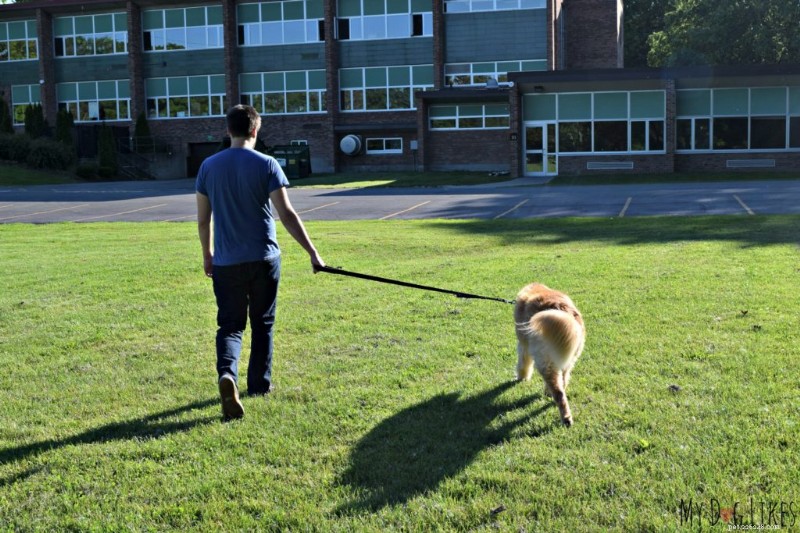
- Daily Walks
Regular walks are foundational for physical health. Aim for at least 30 minutes per day, adjusting duration and intensity based on breed, age, and fitness level. - Interactive Play
Games like fetch, tug‑of‑war, and hide‑and‑seek burn calories and strengthen the human‑dog bond. - Agility Training
Set up a simple agility course at home or visit a local dog park with obstacles. Activities such as jumping hurdles or weaving poles provide exercise and mental stimulation. - Swimming
Swimming is a low‑impact exercise ideal for dogs with joint pain or arthritis. Supervise closely and consider a dog life jacket for safety. - Puzzle Toys and Nose Work
Engage your dog’s mind and body with puzzle feeders or scent games, encouraging exploration, problem‑solving, and movement. - Gradual Increase in Activity
For sedentary or overweight dogs, increase activity levels slowly to avoid injury. Start with short walks or light play sessions, then build as fitness improves.
Additional Weight Management Tips
- Regular Veterinary Checkups
Your veterinarian can monitor your dog’s weight, adjust feeding plans, and identify any underlying health issues that may affect weight loss. - Neutering/Spaying Considerations
Fixed dogs may experience metabolic changes that require adjustments to diet and exercise routines. - Monitor Hydration
Ensure your dog always has access to fresh water, especially during exercise or on hot days. Dehydration can reduce energy levels, lead to urinary tract infections, and impede weight management. - Socialization Activities
Playdates with other dogs or group classes provide exercise and promote healthy social behavior. - Track Progress with a Weight Loss Journal
Document meals, treats, exercise routines, and weight changes to identify patterns and celebrate milestones.
Lighten Their Burden and Keep Them Happy
Managing your dog’s weight is a key part of responsible pet ownership. Through small, consistent changes in diet, exercise, and daily habits, you can help your pet achieve a healthy weight and maintain their quality of life.
Remember, the journey to a healthier dog is a team effort. Work closely with your veterinarian to create a personalized plan that meets your dog’s specific needs. By investing in their health today, you’re giving your furry friend the gift of a longer, happier life.
About the author

Kevin Sando
Kevin is a mechanical engineer with a degree from the Rochester Institute of Technology. With over a decade of experience in new product design, prototyping, and early‑stage manufacturing, his technical background, combined with a passion for dogs, gives him a unique perspective on evaluating the design and execution of innovative pet products.
You may also like
- Pet Behavior
- Pet Breeds
- Pet Names
- Pet Adoption
- Pet Training
- Cat Stories
- Pet Health
- Adorable Pets
- Cats
- Preventing Water Intoxication: Protect Your Dog from Water-Related Health Risks
- Top 10 Best Cat Grass: Healthy, Safe & Easy to Grow
- Understanding Norwegian Lundehund Behavior: Traits, Care, and Family Fit
- Eliminate Static Shock in Cats: Simple Steps to Keep Your Hands Safe
- Top 8 Talking Bird Species: Choose the Perfect Feathered Companion
- Are Lima Beans Safe for Dogs? What You Need to Know Before Feeding Them
- Key Elements of a Complete, Balanced Diet for Your Dog