

Are Russian Blue Cats Hypoallergenic? Expert Insights and Allergy Management Tips

Are Russian Blue cats truly hypoallergenic? The answer is nuanced. While these elegant, medium‑sized felines produce lower levels of the primary allergen, Fel d 1, they are not a guaranteed solution for everyone with cat allergies. Below, we break down the science, evaluate their suitability for allergy sufferers, and share practical strategies to minimize symptoms.
Why Cat Allergies Occur
Cat allergies are triggered by a protein called Fel d 1, found in saliva, skin, and glands. When cats groom themselves, Fel d 1 coats their fur and can become airborne, leading to allergic reactions in sensitive individuals. Approximately 10% of the population is affected by this allergen.
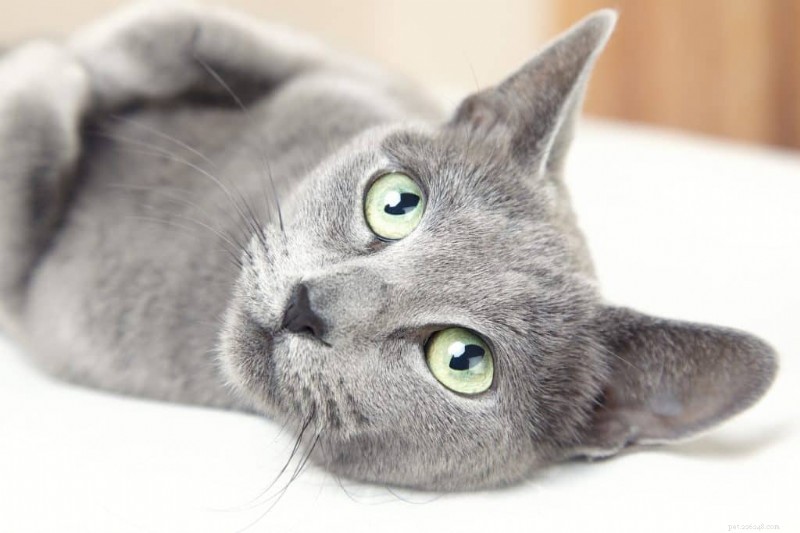
How Russian Blues Influence Allergy Symptoms
Three key factors determine how a cat may trigger allergies:
- Fel d 1 production: Russian Blues typically secrete less of this protein than many other breeds.
- Dander: Their dense, short coat traps fewer particles.
- Shedding: Minimal shedding reduces the amount of airborne allergens.
These characteristics make Russian Blues more allergy‑friendly, but they do not eliminate the risk entirely, especially for those with severe sensitivities.
Are Russian Blues Suitable for Allergy Sufferers?
Research and anecdotal reports identify Russian Blues as one of the few breeds that can be considered “hypoallergenic.” They are often recommended for individuals with mild to moderate cat allergies. However, those with severe allergies may still experience symptoms and should test tolerance before adopting.
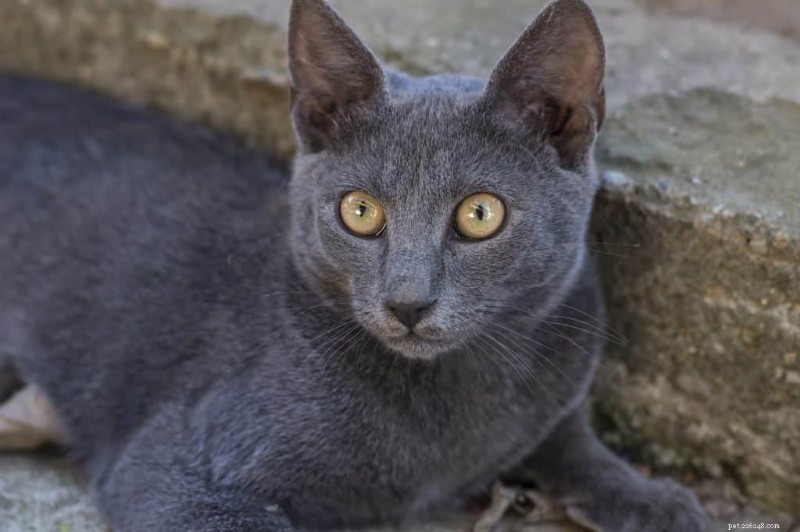
Practical Tips to Reduce Allergies Around a Russian Blue
Even the most allergy‑friendly cat requires a clean environment and thoughtful habits to keep symptoms at bay:
1. Maintain a Dust‑Free Home
Use a vacuum with a HEPA filter on all carpets, rugs, and upholstered furniture. Clean surfaces with a damp cloth to remove settled fur and dander. Aim for a 95% reduction in airborne particles.
2. Deploy Air Purifiers
Portable HEPA purifiers can capture 99.97% of dust mites, pollen, and pet allergens. Place them in high‑traffic rooms, especially bedrooms and living areas.
3. Restrict Cat Access to Bedrooms
Encourage your Russian Blue to stay out of the bedroom by keeping the door closed or using a pet gate. Remove the litter box from the sleeping area to minimize allergen buildup.
4. Wash Bedding Frequently
Change sheets every 3–5 days. Choose cotton or linen bedding, which is less likely to harbor allergens. Regular laundering helps keep exposure low.
5. Practice Good Hand Hygiene
Wash hands immediately after handling the cat or its toys. Avoid touching your face until your hands are clean to reduce direct allergen contact.
6. Dress Appropriately During Play
Wear long sleeves or a light jacket when interacting with your cat, especially during shedding season. Change clothes afterward to prevent fur from lingering on skin.
7. Consult Allergy Medication Options
Over‑the‑counter antihistamines, nasal sprays, and decongestants can alleviate symptoms. For persistent reactions, seek advice from an allergist or physician.
Conclusion
While no breed can guarantee freedom from allergic reactions, Russian Blues offer a lower allergen profile compared to many common cats. If you have moderate allergies, a Russian Blue may coexist peacefully with you, provided you implement regular cleaning routines and use air‑cleaning tools. Ultimately, spending time with a Russian Blue before adoption will help you gauge your personal tolerance.
Image credit: beornbjorn on Deposit Photos
- Pet Behavior
- Pet Breeds
- Pet Names
- Pet Adoption
- Pet Training
- Cat Stories
- Pet Health
- Adorable Pets
- Cats
- Train Your Dog to Fetch: Simple Steps for a Calm, Efficient Game
- How to Keep Your Dog Safe and Calm on Bonfire Night
- Professional Guide: Safely Trim Your Cat’s Nails
- Activated Carbon in Aquarium Filters: Benefits, Placement, and Myths Debunked
- All About the Sand Cat: Desert‑Dwellers' Mighty Feline
- Exploring Common Odd Dog Behaviors and Their Possible Causes
- Recognizing and Treating Your Dog’s Upset Stomach: A Comprehensive Guide