

Are Ragdoll Cats Hypoallergenic? Expert Insights & Allergy Management Tips
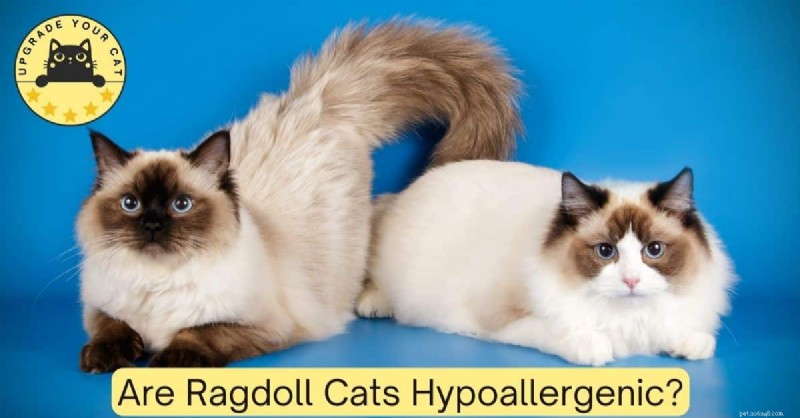
Cat allergy is one of the most common allergic conditions worldwide. While many people are drawn to a cat’s companionship, the presence of the protein Fel d 1 in a cat’s saliva, skin, and urine can trigger uncomfortable reactions. This has led to the popular notion of “hypoallergenic cats.”
Ragdoll cats are celebrated for their docile temperament and luxurious, semi‑long coat. But can they truly be considered hypoallergenic? In the following article, we unpack the science, address common questions, and provide practical strategies for allergy sufferers who are interested in a Ragdoll companion.
Are Ragdoll Cats Hypoallergenic?
Short answer: No, Ragdolls are not hypoallergenic, but they can be a reasonable choice for people with mild to moderate cat allergies.
Current veterinary research indicates that no cat breed produces zero amounts of Fel d 1. However, Ragdolls have a distinctive coat structure that reduces the amount of dander dispersed into the environment.
What Makes a Ragdoll Not Hypoallergenic?
All domestic cats produce Fel d 1, the primary allergen responsible for most cat‑related allergic reactions. The protein is carried to the fur through grooming and is shed with hair and skin flakes.
Ragdolls lack a deep undercoat, which means they shed less than many other breeds. As a result, there is less stray hair and dander circulating in the home. While this does not eliminate allergens, it can reduce the overall load.
Male cats, especially those that are not neutered, tend to produce higher levels of Fel d 1. Spaying or neutering reduces hormone‑driven production and can lower allergen levels.
Reduce Allergic Symptoms From a Ragdoll Cat
With attentive care, the dander impact of a Ragdoll can be further mitigated. Here are evidence‑based practices:
Regular Brushing
Daily grooming removes loose hair and dander. A quality brush with pins and bristles helps manage the thick, semi‑long coat and keeps shedding to a minimum, especially during seasonal molts.
Minimize Hairballs
Consistent brushing also reduces the likelihood of hairball formation, which can otherwise trap allergens in the cat’s digestive tract and release them upon regurgitation.
Bathing
Occasional baths—about once a month for adult cats and even more frequently for kittens—can cleanse the skin and reduce surface allergen load. Gradual introduction to baths from a young age helps the cat remain comfortable.
Litter Box Maintenance
Because Fel d 1 is excreted in urine, a clean litter box is essential. Daily removal of waste and regular litter changes limit airborne allergens and prevent odor build‑up.
Allergy‑Reducing Diets
Specialized cat foods formulated to lower dander and Fel d 1 production can cut allergen levels by up to 47% according to some studies. Discuss options with a veterinarian.
Spaying / Neutering
Removing sex hormones through spaying or neutering significantly reduces Fel d 1 secretion, making the cat a more tolerable companion for allergy sufferers.
Treatment Options for Cat Allergy Symptoms
Medications such as antihistamines or nasal decongestants can provide relief from sneezing, itching, and congestion. Always consult a healthcare professional before starting any medication regimen.
How Can You Determine If You’re Allergic to Cats?
Spend a controlled amount of time near a cat—without petting—while monitoring for symptoms like itching, watery eyes, sneezing, nasal congestion, or throat irritation. Persistent discomfort lasting over 14 days strongly suggests a true allergy.
Can I Adopt a Ragdoll If I Am Allergic?
Success depends on the severity of your allergy and your commitment to regular cleaning and grooming. While Ragdolls shed less than many breeds, they are not allergen‑free. With diligent care, however, many allergy sufferers enjoy a harmonious relationship with a Ragdoll.
How Long Does Cat Dander Take to Clear From a New Environment?
After moving into a space previously occupied by cats, it typically takes 20 to 30 weeks for airborne allergens to dissipate completely.
Are Sphynx Cats Hypoallergenic?
Although hairless, Sphynx cats still produce Fel d 1 on their skin. They are considered one of the least allergenic breeds because they shed less hair, but they require regular bathing to keep allergens at bay.
Conclusion
No cat breed, including Ragdolls, is truly hypoallergenic. However, the reduced shedding of Ragdolls, combined with proactive grooming, diet, and neutering, can make them a viable option for many people with cat allergies. Understanding your own allergy profile and maintaining a clean, well‑ventilated home are key to a successful partnership.
Photo by Erik‑Jan Leusink on Unsplash.
- Pet Behavior
- Pet Breeds
- Pet Names
- Pet Adoption
- Pet Training
- Cat Stories
- Pet Health
- Adorable Pets
- Cats
- Why Male Dogs Should Stay Away from Newborn Puppies for Safety
- Do Dogs Distinguish Babies from Adults? Understanding Their Perception
- Are Asparagus Safe for Bearded Dragons? Nutrition & Feeding Tips
- 100 Boho Dog Names for Free‑Spirited, Earth‑Loving Pups
- Kai Ken: The Warrior Dog – Behavior, Traits & Care
- How Much Dog Food Per Pound? Expert Feeding Guidelines for Optimal Health
- Effective Strategies to Reduce Dog Shedding: Tips for Cleaner Homes