

Siberian Cats: Are They Truly Hypoallergenic? Find Out the Truth

The Siberian cat is one of the world’s oldest domesticated breeds, known for its majestic triple‑layered coat and substantial size, often weighing up to 20 pounds. While many pet lovers praise the breed for its friendly nature, a frequent question remains: are Siberian cats hypoallergenic?
The answer lies somewhere between “no” and “yes.” Siberian cats tend to produce fewer allergens than many other long‑haired breeds, but they are not completely allergen‑free. In this article we break down the science behind hypoallergenicity, shedding habits, and practical steps to minimize allergic reactions.
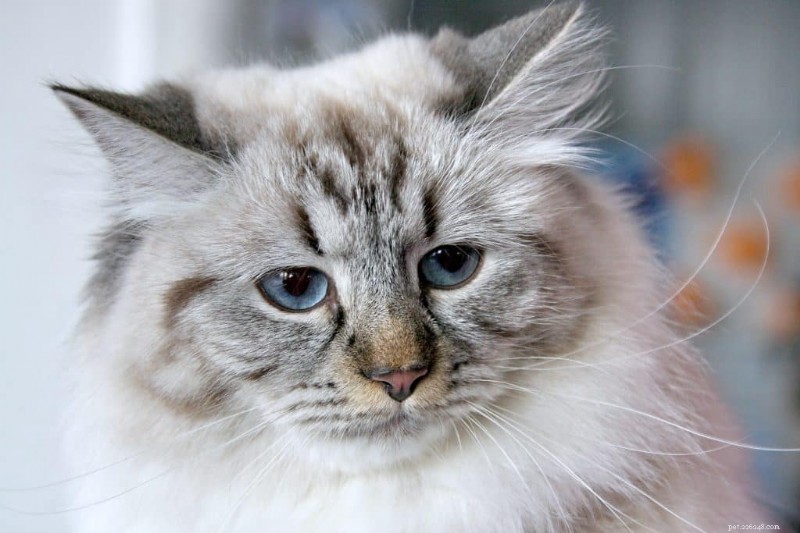
Are Siberian Cats Hypoallergenic?
Unlike the most common hypoallergenic breeds—such as the Sphynx or Oriental Shorthair—Siberians are a long‑haired cat that still maintains a lower allergen profile. Their dense, water‑repellent coat keeps much of the allergenic protein (Fel D1) on the surface, reducing airborne spread.
Some owners note that male Siberians shed slightly more allergens than females, but the difference is modest and varies with individual genetics.
What Makes a Cat Hypoallergenic?
Hypoallergenicity in cats is driven by three main factors: low dander production, reduced saliva contact, and fewer exposed fur follicles. Fel D1, a protein found in saliva and sebaceous secretions, is the primary trigger for most cat allergies. Siberian cats secrete this protein in smaller amounts than many breeds, which lowers the risk for sensitive individuals.
However, no breed can guarantee a 100% allergen‑free experience. Allergies depend on the individual’s sensitivity and the specific cat’s genetics.
Do Siberian Cats Shed?
All cats shed, but Siberians do so only twice a year—once in late summer/early fall and again in spring. The spring molt is more pronounced, while the winter coat remains thick and sheds less. Because shedding is seasonal, many owners experience fewer stray hairs and less airborne dander compared to breeds that shed continuously.
It’s important to remember that shedding alone does not determine allergen levels; sebaceous and salivary secretions play a bigger role.
How to Know if You Are Allergic to Siberian Cats
Common allergy symptoms include hives, itchy rashes, nasal congestion, and in severe cases, breathing difficulties. To assess your sensitivity, consider the following steps:
Spend Time With the Cat Before Adoption
Observing a cat’s behavior and your reaction in a controlled environment can reveal potential triggers and help you gauge long‑term compatibility.
Consider a Professional Allergy Test
Skin‑prick or blood‑testing for Fel D1 sensitivity can confirm whether a Siberian cat is likely to provoke symptoms. This is especially useful for individuals with a history of severe reactions.
Practical Tips to Reduce Allergic Reactions
Even with a hypoallergenic breed, a proactive routine can further diminish allergen exposure:
Maintain a Clean Home
Regular vacuuming with a HEPA filter, frequent washing of bedding, and damp dusting help trap dander and hair before they become airborne.
Groom Your Siberian Regularly
Weekly brushing, especially during shedding seasons, removes loose fur and reduces dander accumulation. Some owners also find weekly baths beneficial, though consult a veterinarian before bathing.
Wash Your Hands After Contact
Hand hygiene removes transferred dander and saliva, preventing indirect exposure to other surfaces or people.
Conclusion
Siberian cats are among the least allergenic long‑haired breeds. While they do produce some Fel D1, the quantity is typically lower than in many other breeds. With thoughtful care—cleaning, grooming, and personal hygiene—most allergy sufferers can enjoy the companionship of a Siberian cat without severe symptoms.
Explore More About Cat Breeds and Allergies
Curious about other hypoallergenic options or detailed allergen‑reducing litter? Check out our related articles for deeper insight into breed‑specific allergy profiles and best practices.
- Pet Behavior
- Pet Breeds
- Pet Names
- Pet Adoption
- Pet Training
- Cat Stories
- Pet Health
- Adorable Pets
- Cats
- Chihuahua Dog Breed Guide: Traits, Care, and Training Tips
- Cat Food Allergy vs Intolerance: Spotting and Treating Your Feline’s Digestive Issues
- Common Causes of Itchy Skin in Dogs: What You Need to Know
- Border Collie Rhythm Stuns TikTok With Heartfelt Dance Routine With Owner Roni Sagi
- 12 Insider Secrets Only Dog Owners Understand
- Discover the 10 Most Popular American Dog Breeds
- When Do Cats Reach Their Full Size? A Comprehensive Guide