

Are Bengal Cats Truly Hypoallergenic? A Comprehensive Review
Bengal cats are often labeled hypoallergenic, which means they tend to trigger fewer allergic reactions compared to many other breeds. However, hypoallergenic does not mean allergen‑free; it simply indicates lower levels of the Fel d 1 protein that commonly causes cat allergies.
This article explains what makes Bengals hypoallergenic, how to coexist if you’re allergic, and lists other low‑allergy breeds.
What Causes Cat Allergies?
Allergies in humans are largely driven by the Fel d 1 protein, found in a cat’s skin cells, saliva, and urine. When a cat grooms itself, tiny flakes of fur and saliva release Fel d 1 into the air. Because the protein is extremely light and sticky, it can remain airborne for hours and settle on furniture, clothing, and other surfaces, provoking sneezing, itchy eyes, and respiratory irritation.
Why Bengals Are Considered Hypoallergenic
Bengals possess a single, tight‑faced coat that sheds very little. The pelted texture of their fur, similar to rabbit fur, keeps the cat clean and reduces the need for frequent grooming. Less grooming means less saliva on the coat and consequently fewer Fel d 1 particles released into the environment.
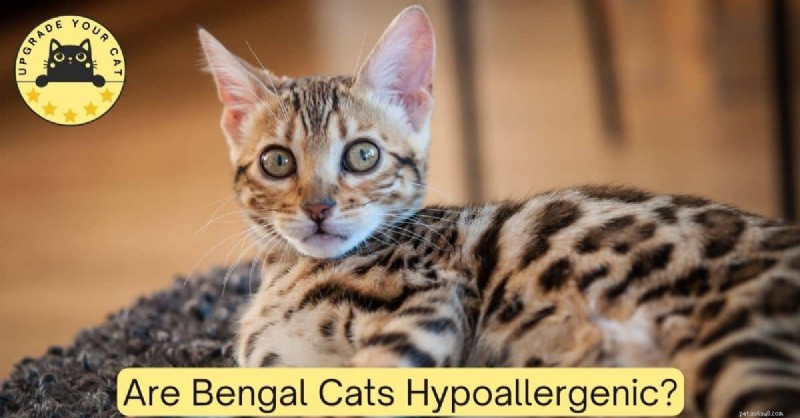
A Bengal resting peacefully in a sunlit patch of grass.
Can You Get a Bengal If You’re Allergic?
Before adopting, spend several visits with a Bengal in a friend’s home. Observe your reaction during direct contact with both adult cats and kittens, and include family members who also experience cat allergies. If anyone shows a clear allergic response, you may need to consider a different breed or a different home environment.
How Do Bengals Trigger Fewer Allergy Responses?
While dander—dead skin cells—is the primary culprit for allergic reactions, saliva, urine, and tears also carry Fel d 1. Cats that shed heavily carry more of these proteins on their fur. Bengals’ minimal shedding reduces the amount of dander that accumulates on surfaces and in the air, lowering the overall allergen load.
Because their coat is short, smooth, and closely attached to the body, Bengals rarely become dirty and require fewer grooming sessions, further limiting the spread of Fel d 1.
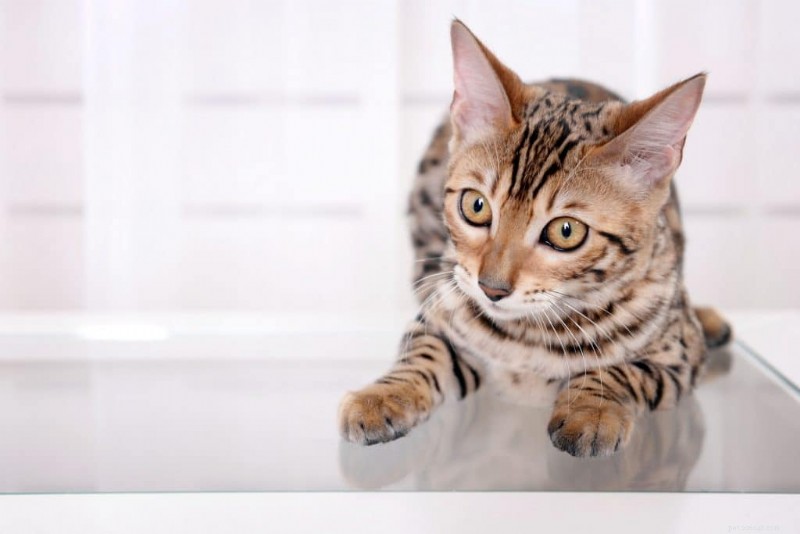
Cutie: a Bengal kitten perched on a kitchen table.
Tips for Bengal Lovers With Cat Allergies
Provide a Diet Tailored to Their Needs
As obligate carnivores, Bengals thrive on high‑quality, fresh protein. A diet that meets all their nutritional requirements supports healthy skin, which in turn reduces dry flakes and dander.
Maintain a Clean Living Space
Wipe surfaces daily—especially areas Bengals frequent—using a microfiber cloth or dust mitt to trap loose fur. Avoid carpeting, which can trap dander; opt for hard floors that are easier to clean.
Use a HEPA Air Filter
A high‑efficiency particulate air (HEPA) filter captures microscopic allergens such as pollen, dust mites, and Fel d 1. A quality HEPA unit can cut airborne allergen levels by up to 90 %, providing relief for allergy sufferers.
Limit Direct Contact
After handling a Bengal, wash your hands and avoid kissing or hugging. Keep the cat out of your bedroom to create an allergen‑free sleep zone, and designate another family member to manage the litter box twice daily.
Brush, Don’t Bathe
Frequent brushing removes loose fur without drying the skin, which can increase dander. A quick wipe with a damp microfiber cloth can keep the cat fresh while minimizing the need for baths.
Clean the Litter Box Promptly
Regular scooping (at least twice a day) reduces urine‑borne allergens and keeps the box odorless.
Consider Allergy Medication
If environmental controls aren’t enough, consult a healthcare professional about antihistamines, nasal steroids, or other allergy treatments that can help you manage symptoms.
Other Breeds That Are Low‑Allergy
Sphynx – A hairless breed that produces less dander due to minimal fur.
Cornish Rex – One‑layer coat reduces shedding and dander buildup.
Oriental Shorthair – Short, silky fur that sheds minimally.
Russian Blue – Naturally produces lower Fel d 1 levels.
Balinese – Known for a lower allergen profile.
Conclusion
Bengal cats are considered hypoallergenic because they shed less and carry fewer Fel d 1 proteins than many other breeds. If you’re allergic yet still want a Bengal, feed it a high‑quality diet, use HEPA filtration, keep your home clean, and limit direct contact. These steps can help you enjoy a Bengal’s vibrant personality while keeping allergy symptoms in check.
Image credits:
https://depositphotos.com/28404893/stock-photo-bengal-cat-with-very-green.html
https://depositphotos.com/82095144/stock-photo-beautiful-bengal-kitten.html
- Pet Behavior
- Pet Breeds
- Pet Names
- Pet Adoption
- Pet Training
- Cat Stories
- Pet Health
- Adorable Pets
- Cats
- Detecting Flea Dirt in Dogs: Signs, Appearance, and Removal Tips
- 4 Proven Ways to Make Dog Walking More Enjoyable
- GDV in Dogs: Recognizing Bloat, Prevention Tips, and Immediate Care
- Flamingos Use Rump Secretion to Maintain Bright Pink Plumage
- Meet Omi: The Heartwarming Ragdoll of the Week
- Kitten Development Stages: Key Milestones for New Pet Owners
- 11 Critical Cat Emergencies That Demand Immediate Veterinary Care