

Do Hairless Cats Truly Reduce Allergies? What You Need to Know
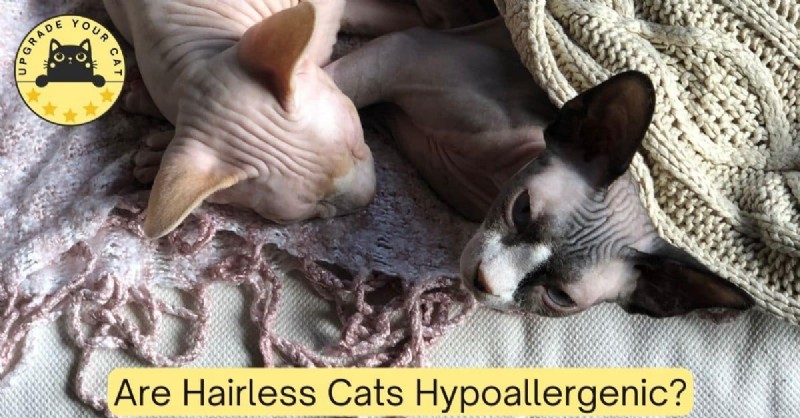
Cats are beloved companions, yet their allergens can provoke symptoms in sensitive people. When allergy‑prone pet lovers consider a feline friend, a hairless cat often appears to be the silver bullet. In reality, the answer is more complex than simply “no fur equals no allergens.”
What Triggers Cat Allergies?
Many people assume that cat hair is the culprit, but the real trigger is a protein called Fel d 1 found in a cat’s saliva and skin secretions. This protein can cling to fur, dander, and even the air, causing reactions when inhaled or contacted. Because every cat produces Fel d 1, even hairless breeds are not exempt.
Can a Hairless Cat Keep Allergies at Bay?
Hairless cats, such as the popular Sphynx or the more recent Peterbald, shed little to no fur, which means there is less dander to circulate around the home. That can reduce the amount of allergen on surfaces and in the air, making it easier to manage symptoms.
However, these cats still secrete Fel d 1 through their saliva and sebaceous glands. Grooming, licking, and close contact can spread the protein, so a highly sensitive individual may still experience reactions. The best approach is to spend time with a hairless cat before committing to ensure your allergy threshold is acceptable.
Steps to Take When Adopting a Hairless Cat
1. Choose a reputable source. The Sphynx remains the most widely available breed, but Peterbalds can be found through specialized breeders. Local shelters and rescue groups sometimes carry hairless cats—contact nearby veterinary clinics or search online rescue directories.
2. Manage exposure. Keep the cat’s bedding clean and wash it weekly. Regular baths—once a week for most hairless cats—reduce surface allergens and keep skin oils from accumulating. Use a HEPA‑filtered air purifier to capture airborne particles, and consider over‑the‑counter antihistamines if you experience mild symptoms.
3. Monitor health. Hairless cats are prone to skin conditions such as dryness and dermatitis. Prompt veterinary care and proper grooming help maintain skin integrity and reduce allergen production.
Practical FAQs
How much does a Sphynx cat cost?
Because they are a niche breed, a Sphynx from a reputable breeder typically starts at about $1,500. Prices can rise for specific traits or pedigree, but the average range rarely exceeds $3,000.
Are hairless cats worse for allergies?
No. While any cat can trigger an allergic reaction, the lack of fur means allergens are less dispersed. Sensitive owners may still react, but the overall exposure is usually lower than with fully furred breeds.
Do Sphynx cats have a strong odor?
Sphynx cats can develop a mild smell if not bathed regularly. Proper bathing and a balanced diet keep them odor‑free. They do not emit a strong scent like some other breeds.
Bottom Line
Hairless cats can be a viable option for allergy sufferers seeking a less allergenic environment. However, because Fel d 1 is present in all cats, no breed is truly hypoallergenic. Evaluate your sensitivity, spend time with a hairless cat, and adopt a preventive care routine to enjoy a feline companion safely.
- Pet Behavior
- Pet Breeds
- Pet Names
- Pet Adoption
- Pet Training
- Cat Stories
- Pet Health
- Adorable Pets
- Cats
- Green-Wing Macaw (Red & Green Macaw): Comprehensive Species Guide
- 50 Essential Facts About Azawakh Dogs You Need to Know
- Why Dogs Sit Under Chairs: Expert Insights into Their Curious Behavior
- How Dogs Detect Mice: The Science Behind Their Superior Hearing
- Can Lavender Oil Safely Repel Fleas on Dogs and Cats?
- How to Safely Remove Shampoo from Your Dog’s Eye
- DIY Fruit Parfait Dog Treat: Cool, Nutritious & Easy