

Are Sphynx Cats Truly Hypoallergenic? A Scientific Review
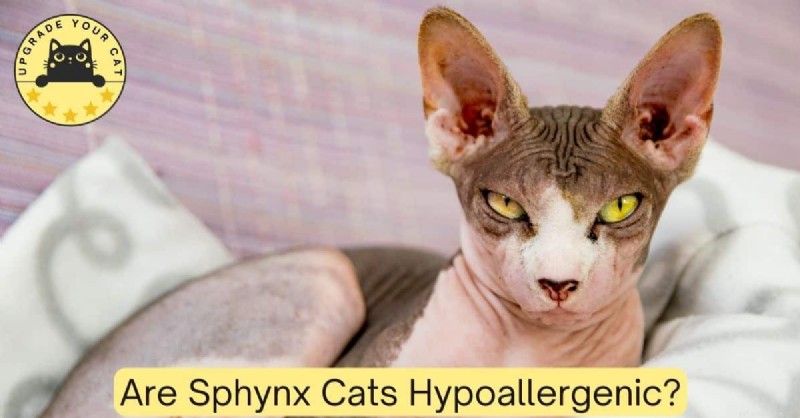
While the Sphynx cat’s sleek, hairless appearance is undeniably striking, many prospective owners wonder: Are Sphynx cats hypoallergenic? The short answer is no – they are not hypoallergenic, though they may trigger fewer symptoms than furred breeds.
The Sphynx Cat – A Quick Overview
The Sphynx is renowned for its energetic, affectionate nature and strong bond with its human companions. Their warm, oily skin and constant grooming make them an ideal indoor pet, especially for families seeking a lively yet low‑maintenance feline.
For people who suffer from cat allergies, the allure of a hairless cat can be strong. However, it’s essential to understand that allergies are triggered by specific proteins, not by fur alone.
Why Sphynx Cats Aren’t Truly Hypoallergenic
Allergies to cats are primarily caused by two proteins: Fel d 1 in saliva and urine, and Fel d 4 in skin secretions. These proteins are carried by dander and saliva, not by fur. Because Sphynx cats shed almost no hair, the amount of airborne dander is reduced, but the proteins still exist on their skin and in their saliva.
When a Sphynx grooms itself, it spreads saliva and skin oils across its body. These proteins can then become airborne, leading to allergic reactions in sensitive individuals. Therefore, while the overall allergen load may be lower than in a typical furred cat, it is not eliminated.
Managing Allergies If You Want a Sphynx

If you have a known sensitivity to cat allergens, consult an allergist before adopting. A combination of environmental controls and medical management can make coexistence possible:
1. Regular Grooming and Baths
Bathing your Sphynx every 4–6 weeks removes accumulated saliva and oils, reducing the amount of allergen on its skin.
2. Frequent Cleaning
Wash bedding, toys, and any fabric your cat frequently contacts. Vacuum regularly and consider HEPA filters to capture dander particles.
3. Restrict Bedroom Access
Keep the cat out of the bedroom or use a pet‑proof door to limit overnight exposure.
Frequently Asked Questions
Are hairless cats better for allergies?
Hairless breeds may transmit fewer airborne allergens, but they still produce the key proteins responsible for allergic reactions. Owners must maintain diligent hygiene to manage exposure.
Do Sphynx cats have a strong odor?
Because of their skin oils, Sphynx cats can develop a noticeable scent if not bathed regularly. Proper grooming mitigates this issue.
Can I live with a cat if I’m allergic?
Allergy treatments, such as antihistamines or immunotherapy, can help. Many people successfully live with cats by combining medical therapy with strict environmental controls.
Is there a cure for cat allergies?
While no cure exists, allergy shots (immunotherapy) can reduce sensitivity over time. The treatment typically involves weekly injections for six months, followed by booster doses for up to five years.
Conclusion
In summary, the Sphynx cat is not hypoallergenic. Their lack of fur reduces dander, but the proteins that trigger allergies remain present. With thoughtful preparation and medical guidance, owners with mild sensitivities can still enjoy the companionship of a Sphynx.
- Pet Behavior
- Pet Breeds
- Pet Names
- Pet Adoption
- Pet Training
- Cat Stories
- Pet Health
- Adorable Pets
- Cats
- Complete Care Guide for the Belgian Sheepdog
- Step-by-Step Guide to Sketching a Charming Pug
- Meet Humphrey: The Charming Ragdoll Cat Making Waves This Week
- German Shepherd & Corgi Mix – Breed Overview & Care Guide
- Guide to Adopting a Rescue Greyhound: Tips for a Smooth Transition
- Why a Bird Could Be Your Ideal First Pet: 5 Key Benefits
- Handling Tarantulas Safely: A Comprehensive Guide