

Pet Vaccination Guide: Protecting Dogs, Cats, and More from Preventable Diseases
Dog Vaccination Basics
Vaccines are essential tools that prime a dog’s immune system to fight off serious infections. While the core series protects against the most common and dangerous diseases, non‑core vaccines are tailored to a pet’s lifestyle and regional risks. The most reliable way to keep your dog healthy is to follow a vaccination plan crafted by a trusted veterinarian.
Core Vaccines (Recommended for All Dogs)
- Canine Distemper
- Canine Parvovirus
- Rabies
- Canine Hepatitis (Adenovirus‑B)
Non‑Core Vaccines (Risk‑Based)
- Bordetella bronchiseptica – kennel cough
- Leptospira – leptospirosis
- Borrelia burgdorferi – Lyme disease
- Canine Coronavirus – gastrointestinal disease
Puppy Vaccination Schedule
| Puppy Age | Core Vaccinations | Optional Vaccinations |
|---|---|---|
| 6–8 weeks | Distemper, Parvovirus, Parainfluenza | Bordetella |
| 10–12 weeks | DHPP (adenovirus, distemper, parvovirus, parainfluenza) | Leptospirosis, Lyme, Bordetella, Coronavirus |
| 12–16 months | Rabies, DHPP | Leptospirosis, Lyme, Coronavirus, Bordetella |
| Every 1–2 years | DHPP | Leptospirosis, Lyme, Coronavirus, Bordetella |
| Every 1–3 years | Rabies (mandatory by law) | None |
Cost Overview
- Core vaccines (initial series): USD $75–$100
- Rabies vaccine: USD $15–$20
Legal Requirements
Rabies vaccination requirements vary by state—some mandate annual shots, others allow a booster every three years. Regardless of legal mandates, a yearly review with your vet ensures optimal protection.
Special Vaccines
- Rattlesnake Antivenom (Red Rock Biologics) – protects against western diamondback rattlesnake venom and related species.
Potential Side Effects
Most reactions are mild and temporary, such as lethargy, loss of appetite, or mild swelling. Rarely, severe reactions like anaphylaxis can occur; immediate veterinary care is essential if symptoms worsen.
Cat Vaccination Essentials
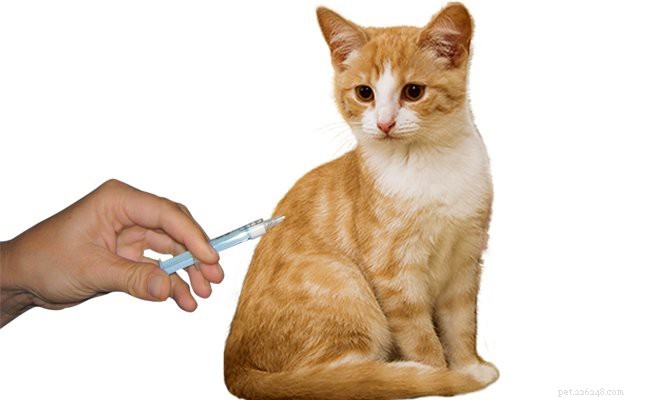
Cats face a range of preventable diseases, and a tailored vaccination plan is vital. Your veterinarian will determine the optimal schedule based on your cat’s age, lifestyle, and regional disease prevalence.
Kitten Vaccination Timeline
| Age | Recommended Vaccines |
|---|---|
| 6–8 weeks | Feline Distemper, Feline Rhinotracheitis (core) |
| 8 weeks | FVRCP (Panleukopenia, Rhinotracheitis, Calicivirus) |
| 10–12 weeks | Feline Leukemia Virus (FeLV) |
| 12 weeks | FVRCP booster; FeLV booster |
| 16 weeks | FVRCP booster; Rabies vaccine |
| 1 year | Rabies, FeLV, Chlamydia |
Cost Range
- 6–8 weeks: FVRCP + deworming – USD $31+
- 9–12 weeks: FeLV, FVRCP + deworming – USD $54+
- 12 weeks–6 months: Rabies, FeLV, deworming, FVRCP – USD $69
Non‑Core Vaccines
These are considered if your cat is outdoors, travels, or is exposed to other animals.
Side Effects
- Lethargy, vomiting, diarrhea, loss of appetite, fever, lameness, injection site swelling.
Vaccinations for Snakes
Snakes do not contract or transmit communicable diseases that require routine vaccination. Instead, regular veterinary check‑ups are essential to monitor weight, parasite load, and overall health.
Should a snake become ill, prompt veterinary care is critical.
Common Pet Snakes
- Corn snake
- Ball python
- Gopher snake
- California kingsnake
- Rosy boa
Fish Vaccination Overview
Fish vaccines target bacterial and viral pathogens, reducing mortality and supporting healthy aquaculture. Administration methods include immersion, oral, and injection.
Immersion Vaccination
- Fish are dipped or bathed in a vaccine solution, allowing absorption through gills and skin.
Oral Vaccination
- Vaccines are mixed with feed or encapsulated in organisms such as rotifers.
Injection Vaccination
- Used selectively due to stress; modern protocols minimize mortality.
Recommended Fish Vaccines
- MONTANIDE™ ISA – intraperitoneal injection against Furunculosis, Yersinia, Pasteurellosis, Vibriosis, Streptococcus, Aeromonas.
- MONTANIDE™ IMS – immersion micro‑emulsion for the same pathogens.
Bird Vaccinations: Focus on Polyomavirus
Polyomavirus is a common avian disease, especially in younger parrots. While no cure exists, vaccination effectively controls outbreaks.
Vaccination Protocol
- Administer at 21 days of age, repeat after 2 weeks.
- Annual boosters thereafter.
Signs of Polyomavirus
- Vomiting, diarrhea, loss of appetite, dehydration, tremors, paralysis, feather abnormalities.
Rabbit Vaccinations
Vaccines protect rabbits against hemorrhagic disease and myxomatosis—high‑mortality infections spread by insects.
Key Vaccines
- Nobivac Myxo – typically given at 5 weeks of age.
Benefits
- Regular boosters reduce infection risk.
- Keep enclosures clean to minimize flea and mosquito exposure.
Early Myxomatosis Symptoms
- Swelling around ears, face, eyes; difficulty eating or drinking; high fever; loss of appetite.
Horse Vaccination Schedule
Horses require a comprehensive immunization plan that varies with age, performance level, and geographic risk. Below is a concise reference.
| Disease/Vaccine | Foals & Weanlings | Yearlings | Performance/Pleasure Horses |
|---|---|---|---|
| Tetanus Toxoid | 3–4 mo: 1st dose; 4–5 mo: 2nd dose; 6–7 mo: 3rd dose | Annual | Annual |
| Equine Encephalomyelitis (WEE/EEE/VEE) | 3–4 mo: 1st dose; 4–5 mo: 2nd; 5–6 mo: 3rd | Annual | Annual |
| Influenza (inactivated) | 6–7 mo: 1st dose; 7–8 mo: 2nd; 8–9 mo: 3rd; then every 3 mo | Every 3–4 mo | Optional semi‑annual |
| Rhinopneumonitis (EHV‑1/4) | 4–6 mo: 1st; 5–7 mo: 2nd; 6–8 mo: 3rd | Every 3–4 mo | 3–4 mo yearly |
| West Nile Virus | 3–4 mo: 1st; 4 mo: 2nd; 6 mo: 3rd | Annual booster (risk‑dependent) | Annual booster (risk‑dependent) |
| Strangles | 4–6 mo: 1st; 5–7 mo: 2nd; 7–8 mo: 3rd; 12 mo: 4th | Semi‑annual | Optional semi‑annual |
| Botulism (Type B toxoid) | 2–3 mo: 3‑dose series | Consult vet | Consult vet |
| Potomac Horse Fever | 5–6 mo: 1st; 6–7 mo: 2nd | Semi‑annual | Semi‑annual |
| Equine Viral Arteritis | 6–12 mo: 1st | Annual | Annual |
| Rabies | Consult vet | Consult vet | Consult vet |
Common Combination Vaccines
- Encephalomyelitis + Tetanus
- Encephalomyelitis + Influenza + Tetanus
- Encephalomyelitis + EHV‑1 + Influenza + Tetanus
- Influenza + EHV‑1 (Rhinopneumonitis)
- Pregnant mare‑specific formulations
Cow Vaccination Essentials
Vaccination protects cattle from respiratory, reproductive, and systemic infections. Core vaccines include Leptospirosis, BRSV, BVD, PI3, and IBR.
Vaccine Types
- Killed vaccines: Sentry 9, Somnugen, Triangle 9
- Modified live vaccines: Vista 5 L5 SQ, Express 10
Administration Guidelines
- Killed vaccines: 5 cc dose, no milk withdrawal, 21‑day slaughter withdrawal.
- Modified live: 2 cc dose, safe in pregnant cattle, 21‑day slaughter withdrawal.
Vaccination Schedule (Cattle & Buffaloes)
| Disease | First Dose Age | Booster | Subsequent Dose |
|---|---|---|---|
| Foot and Mouth | 4 mo+ | 1 mo after first | Every 6 mo |
| Haemorrhagic Septicaemia | 6 mo+ | Annually | Annually |
| Black Quarter | 6 mo+ | Annually | Annually |
| Brucellosis (female calves) | 4–8 mo | Lifetime | Lifetime |
| Theileriosis (exotic cattle) | 3 mo+ | Lifetime | Lifetime |
| Anthrax | 4 mo+ | Annually | Annually |
| IBR | 3 mo+ | 1 mo after first | Every 6 mo |
| Rabies | After bite: 4th day | 90 days after first | Annual as per protocol |
Adhering to these vaccination protocols ensures that pets, livestock, and exotic animals remain healthy and disease‑free. Always consult a qualified veterinarian to tailor a plan specific to your animal’s needs and local regulations.
- Pet Behavior
- Pet Breeds
- Pet Names
- Pet Adoption
- Pet Training
- Cat Stories
- Pet Health
- Adorable Pets
- Cats
- What to Do When Your Dog Eats Chicken Bones: Vet-Approved Guidance
- Is It Safe to Keep a Sugar Glider and a Cat Together?
- Hamster Nutrition Guide: Safe Foods, Unsafe Foods, and Feeding Tips
- Accurate Horse Height Measurement: A Practical Guide
- What Is a Gelding? A Comprehensive Guide
- Unveiling the Mystery: Why Cats Are Drawn to Catnip in Simon's Cat Logic
- Preventing Hypothermia in Dogs: Essential Tips for Cold Weather Safety