

What to Do When Your Cat Vomits Green Liquid
As my cat aged, I began noticing frequent vomiting—often a yellow‑green hue—and a noticeable weight loss. By tracking his appetite and episodes, I realized something was amiss. After veterinary testing and targeted treatment, his vomiting frequency dropped and he regained weight.
While almost every cat will vomit at some point, green vomit can raise alarm. This guide explains when it’s a red flag, what it may indicate, and how to act.
Is Green Vomit a Cause for Concern?
Vomiting is a natural reflex to expel irritants, infections, or indigestible food. The greenish color usually signifies the presence of bile—a digestive fluid produced by the liver and stored in the gallbladder. Bile enters the small intestine during normal digestion and can reflux into the stomach, giving vomit a green tint.
By itself, bile‑laden vomit is not inherently dangerous. It often signals delayed gastric emptying or mild gastrointestinal irritation. The key is to observe your cat’s overall condition rather than the vomit’s color.
If vomiting is sporadic and your cat remains active, hydrated, and eating, monitoring at home is usually sufficient. Persistently vomiting, combined with other symptoms, warrants a veterinary visit.
Key Red Flags to Watch For
1. Loss of Appetite
Complete anorexia lasting 24 hours or a prolonged decline in food intake signals a serious problem. If your cat refuses food for a full day, seek immediate veterinary care.
2. Weight Loss
Weigh your cat regularly using a calibrated scale. A weight drop over two days should prompt a vet appointment.
3. Behavioral Changes
Noticeable shifts such as lethargy, reduced play, or hiding can indicate discomfort or illness. Persistent changes beyond a couple of days require professional evaluation.
4. Severe or Repeated Vomiting
Frequent vomiting within hours, inability to rise, or signs of confusion may signal an emergency.
Types of Green Vomit
Green vomit can appear in various forms, each hinting at different underlying causes.
Green Liquid
Liquid green vomit often reflects bile mixed with gastric juices, typically seen when the stomach contains water or food.
Green Foam
Foamy green vomit indicates excess gas and bile mixing—common when stomach acid refluxes into the esophagus.
Green Mucus
Mucus is a natural protective lining in the stomach and nasal passages. Its presence in vomit can signal an empty stomach or upper respiratory congestion.
Common Causes of Green Vomit
Green vomit typically points to irritation or inflammation in the stomach or nearby organs. Potential culprits include:
- Inflammatory Bowel Disease (IBD): Chronic vomiting beyond three weeks may indicate IBD, often triggered by food allergies.
- Viral Infections: Systemic viruses can produce fever and abdominal discomfort, leading to vomiting.
- Kidney Disease: Common in cats over 15 but can affect younger cats, causing metabolic disturbances and nausea.
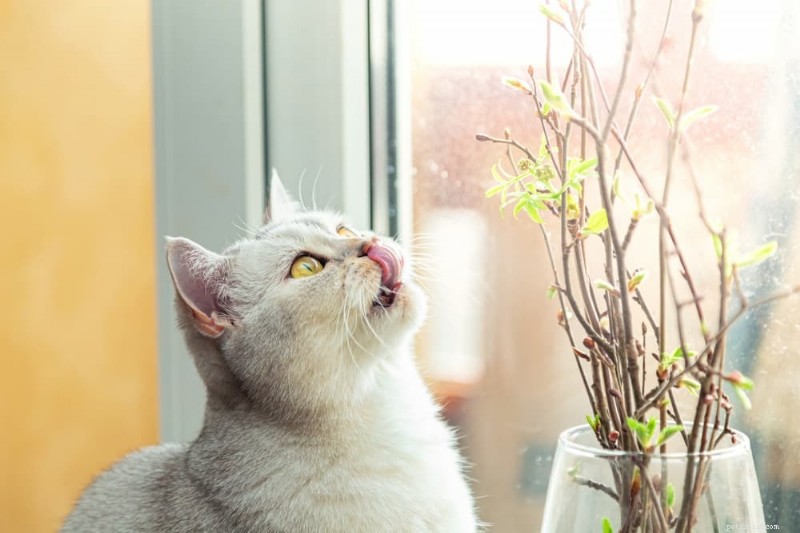
- Foreign Bodies: Non‑digestible items—such as string, toys, or synthetic plants—can block the gastrointestinal tract.
Treatment and Home Care
Before a veterinary visit, ensure your cat has free access to water. Light, palatable fluids like low‑sodium chicken broth or tuna juice can aid hydration. Avoid treats and highly seasoned foods until vomiting subsides.
Over‑the‑counter antacids are not recommended for cats without veterinary guidance. A vet may prescribe anti‑emetics, proton pump inhibitors, or fluids, depending on the underlying cause.
Practical Takeaways
Occasional green vomiting that resolves within a day and is accompanied by normal appetite and activity is usually not a cause for alarm. However, persistent vomiting, weight loss, or behavioral changes should prompt a veterinary evaluation. Early intervention often leads to quicker recovery.
Remember: monitoring your cat’s overall health and promptly seeking veterinary advice when red flags appear is the best way to protect your feline friend.
- Pet Behavior
- Pet Breeds
- Pet Names
- Pet Adoption
- Pet Training
- Cat Stories
- Pet Health
- Adorable Pets
- Cats
- Saturday Photohunt: Celebrating Pets in a Vibrant Mural
- Top 8 Interactive Toys That Keep Your Puppy Mentally Engaged
- 5 Proven Ways to Connect with Local Pet Owners
- Meet Valentino: Featured Ragdoll Kitten of the Month
- Dog Dry Eye (Keratoconjunctivitis Sicca): Causes, Symptoms & Effective Treatments
- Donskoy Cat (Don Sphynx) – Russia’s Hairless Breed Explained
- Essential Tree Safety Guide: Avoiding Poisonous Trees in Your Horse's Pasture