

Understanding Cat Anal Glands: Signs, Causes, and Care
While cat anal glands may not be a common topic of discussion, they are essential to feline health. Although problems are uncommon, they can cause significant discomfort for your cat and lead to costly veterinary care.
Many pet owners overlook these glands until a complication arises, often resulting in emergency visits.
This guide provides a comprehensive overview of cat anal glands, including their anatomy, common issues, warning signs, and effective treatments.
What are Cat Anal Glands?
Cat anal glands are two small sacs situated on either side of the anus, positioned roughly at the four‑ and eight‑hour marks if you imagine the anus as a clock face. These sacs produce a brown, odor‑laden fluid that functions as a scent marker, much like the spray of a skunk. When a cat defecates, the pressure forces the glands to release this secretion, allowing the cat to mark territory, communicate with other cats, and even signal danger.
Under normal circumstances, a cat expresses these glands naturally during bowel movements. Intervention is rarely necessary unless an issue arises.
What Causes Cat Anal Gland Problems?
Anal gland disorders affect only about 0.4 % of cats, yet several conditions can precipitate problems. Common culprits include:
- Chronic diarrhea
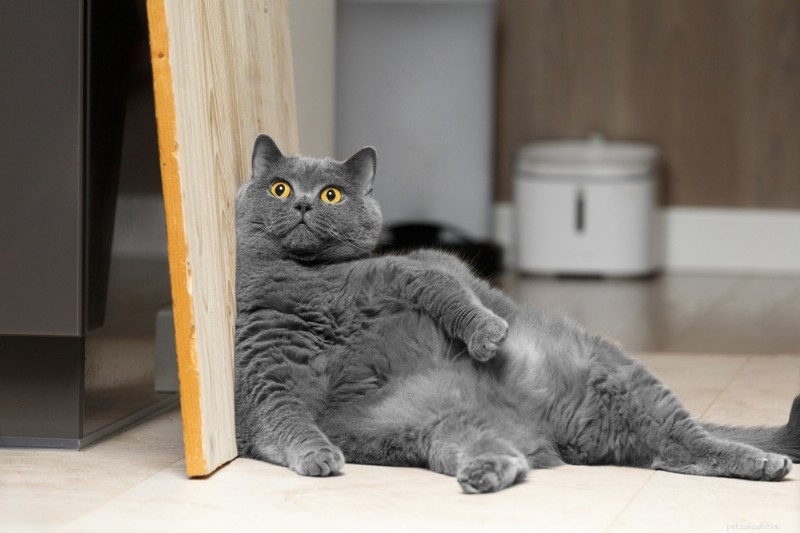
- Obesity
- Chronic constipation
- Irritable bowel syndrome
- Food allergies
- Atopy caused by environmental allergens, fleas, or skin disease
- Neurologic disorders that impair sphincter control
- Anal sac adenocarcinoma
Any of these underlying factors can compromise gland function.
Types of Anal Gland Disorders in Cats
When problems arise, four main conditions are typically observed:
- Inflammation – Allergies or skin disease can trigger swelling and irritation of the glands.
- Impaction – The most common disorder; thickened secretions or infrequent bowel movements prevent normal drainage, leading to painful swelling.
- Infection – Impaction often sets the stage for bacterial or yeast infection, forming an abscess.
- Rupture – Severe inflammation, impaction, and infection may cause the gland to break, forcing fluid to leak through the skin and causing acute pain.
These disorders can affect any cat, but adult males and British Shorthairs appear slightly more susceptible.
How to Tell Something Is Wrong with a Cat’s Anal Glands
Changes in bowel habits often precede visible signs. Watch for the following warning indicators:
- Scooting or dragging the rear across the floor
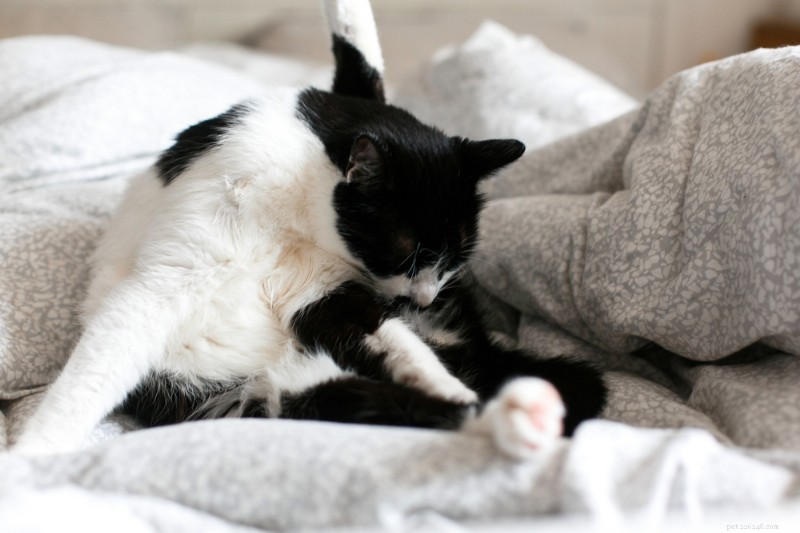
- Excessive licking, biting, or matting of fur around the anus
- Difficulty or reluctance to sit in the litter box
- Straining or frequent attempts to defecate without success
- Redness, swelling, or discharge near the anus
- Bleeding from the rectal area
If any of these symptoms appear, schedule a veterinary visit promptly. Severe cases may progress to abscess, infection, or rupture without intervention.
Do Cats Need Anal Glands Expressed?
In healthy cats, expression is automatic during normal defecation, so routine manual expression is unnecessary. Only when clinical signs suggest impaction or infection should a veterinarian perform expression, typically on a weekly basis for several weeks.
How to Treat Problems with Anal Glands in Cats
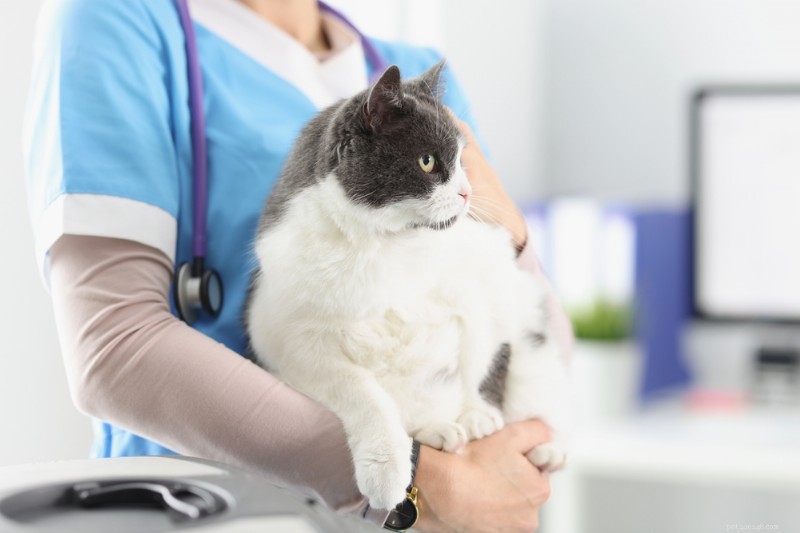
Early veterinary care is crucial. Delay can lead to rupture, severe infection, and higher treatment costs. A veterinarian will assess the situation and recommend a tailored plan, which may include:
- Manual expression – A skilled vet or technician gently compresses the glands; sedation may be needed for markedly swollen glands.
- Antibiotics – Oral or injectable antibiotics treat bacterial infection; in some cases, a direct injection into the gland is performed under sedation.
- Analgesics – Pain medication is essential if the gland has ruptured.
- Laser therapy – Low‑level laser can reduce inflammation.
Underlying contributors should also be addressed:
- Weight management for obese cats
- Specialized diets—limited‑ingredient or high‑fiber formulas—to alleviate diarrhea or constipation
- Anti‑inflammatory drugs for allergic skin conditions
- Flea control and environmental allergen management
- Surgical removal of the glands for refractory impaction, chronic infection, or cancer
Surgery is a last resort due to potential complications such as incontinence or anal stenosis, but it can be lifesaving when medical therapy fails.
Home measures can support recovery but should never replace professional care. Consult your veterinarian before using any over‑the‑counter remedy.
At home, you can aid healing by:
- Switching to a low‑fat, high‑fiber diet to promote firmer stools and prevent constipation.
- Adding a small amount of psyllium (¼–½ teaspoon) twice daily if tolerated.
- Applying a warm compress or damp washcloth to the area twice daily for 5–7 days.
Tips to Promote Healthy Anal Gland Function
Preventative care is key to minimizing gland problems:
- Seek veterinary advice if diarrhea persists beyond two days or if your cat misses a bowel movement for more than three days.
- Consider probiotics for recurrent gastrointestinal upset, but only after vet guidance.
- Address any skin lesions, alopecia, or pruritus promptly with professional evaluation.
- Maintain a healthy body weight by feeding a balanced, AAFCO‑approved diet and monitoring portions.
- Use year‑round flea prevention to reduce allergen exposure.
While rare, anal gland disorders can be serious. Early detection and timely veterinary intervention are essential for a swift recovery and long‑term comfort.
When you first notice any sign of discomfort, consult your veterinarian. With prompt, evidence‑based care, most cats recover fully and remain healthy.
- Pet Behavior
- Pet Breeds
- Pet Names
- Pet Adoption
- Pet Training
- Cat Stories
- Pet Health
- Adorable Pets
- Cats
- Why Do Dogs Try to Smother You? Understanding the Causes and How to Stop It
- How Cats Remember Their Mothers – A Science-Backed Look
- 10 Endearing Baby Animals That Love Their Moms
- Dog Heart Rate: What Is Normal and How to Monitor It
- October: Celebrate Adopt‑a‑Dog Month – Find Your Forever Friend Today
- Discover What Shapes Your Cat's Color: A Journey from Wild Origins to Home Hues
- Critical Health Warning Signs in Dogs: What Every Owner Needs to Detect Early