

What Causes Excessive Itching and Licking in Cats? 8 Common Triggers & Treatment Guide
All featured products are chosen by the GreatPetCare editorial team and do not reflect a direct endorsement by the author or reviewer.
Do you notice your cat itching and licking more than usual? While cats are meticulous groomers, an escalation in this behavior often signals an underlying problem. Excessive scratching can lead to skin irritation, hair loss, and even open wounds that become infected. Understanding the root cause is essential for providing the right care.
8 Common Causes of Excessive Itching and Licking in Cats
Veterinarians frequently identify three primary culprits: parasites, allergies, and psychological factors. Below, Dr. Colleen Lambo, DVM, of The Vets, and Dr. Carol Osborne, DVM, of Chagrin Falls Veterinary Center, break down the most common reasons.
1. Flea Allergy Dermatitis (FAD)
Flea bites are the leading cause of allergic reactions in cats. The proteins in flea saliva trigger flea allergy dermatitis, manifesting as intense scratching, hair loss, and the dreaded “hot spots.” A secondary condition, miliary dermatitis, appears as small crusty bumps across the body. Continuous licking can open sores, inviting yeast and bacterial infections.
Fleas spread through contact with other infested pets or contaminated environments such as grass, carpet, rugs, leaf litter, mulch, and bedding. They can jump onto cats and dogs from these surfaces, leading to an infestation.
2. Mites
When fleas are absent, mites may be the culprit. These microscopic parasites burrow into the skin, causing mange—hair loss, redness, scabs, and lesions. Ear mites produce intense itching around the ears, black debris, and secondary infections. Mites can be transmitted by contact with infected animals or contaminated surroundings, and kittens can acquire them from their mothers during grooming.
3. Ringworm
Despite its name, ringworm is a fungal infection caused by dermatophytes, not a worm. It irritates skin, hair, and nails, prompting scratching and licking. Typical signs include circular patches of hair loss with red, scaly skin, irregular red lesions, or even a lack of visible symptoms. Ringworm thrives in warm, moist environments and is highly contagious to pets and humans through direct contact or shared items like bedding and grooming tools.
4. Environmental Allergies
Allergens such as pollen, dust mites, and mold can provoke skin irritation. A reaction to these substances leads to excessive licking, chewing, or scratching. Symptoms may be localized or widespread, depending on the allergen’s concentration in the environment.
5. Food Allergies
Food allergens—often proteins—can cause itchy skin, especially on the ears, face, and paws. Dr. Lambo notes that affected cats may also display digestive signs. Chronic licking and scratching can worsen hair loss and lead to secondary skin infections if the allergen is not removed.
6. Contact Dermatitis
Skin irritation from cleaning products, fabrics, plants, shampoos, or medications results in localized itching and redness. The cat’s attempts to soothe the irritation can further damage the skin and invite infection.
7. Secondary Skin Infections
Overgrowth of bacteria and yeast can occur when the skin’s natural defenses are compromised by allergies or parasites. These infections present as itching, pimples, pustules, hair loss, redness, and an unpleasant odor. Treating the infection and its underlying cause is essential.
8. Psychological Issues
Stress, anxiety, or boredom can trigger compulsive grooming. Dr. Lambo explains that this behavior can become self‑reinforcing, leading to chronic skin damage. Addressing the mental health component is crucial for lasting relief.
Diagnosing the Underlying Cause
Excessive itching and licking usually warrant a professional evaluation. Veterinarians use a range of diagnostics to pinpoint the problem:
- Physical Examination: A thorough look for visible signs of fleas, mites, infections, or irritation.
- Skin Scraping: Microscopic examination for mites and other parasites.
- Skin Allergy Testing: Sedation and shaving a test area to inject small allergen amounts. Results guide customized allergy shots.
- Elimination Diet: Systematic removal of foods to identify food allergies. The trial can last up to eight weeks; all treats, human foods, flavored medications, and even wild prey must be excluded. Reintroduction confirms the culprit.
- Skin Culture: Identification of ringworm or resistant bacterial infections.
- Skin Biopsy: For chronic conditions, a small skin sample is sent to a lab.
Complex cases may be referred to a board‑certified veterinary dermatologist for advanced care.
Treatment Strategies (and Product Recommendations)
Once a diagnosis is confirmed, a tailored treatment plan follows, often combining environmental management, medical therapy, and preventive measures.
Flea Control
- Medicated Shampoo: Bathing removes fleas and soothes irritated skin.
- Topical or Oral Flea Medication: Spot‑on treatments, oral tablets, or collars eliminate fleas and prevent reinfestation. Monthly prevention is recommended.
- Environmental Cleaning: Thorough cleaning of living spaces, yard, and bedding removes flea eggs and larvae.
Allergy Management
- Dietary Change: Switching to a hypoallergenic or novel protein diet for food allergies.
- Avoid Contact: Remove materials that trigger contact dermatitis (e.g., wool).
- Environmental Control: Reduce exposure to dust, pollen, and mold via regular cleaning, window management, and air filtration.
- Allergy Medications: Antihistamines, Atopica, or inhaled steroids/bronchodilators for severe symptoms.
- Allergy Shots: Immunotherapy to desensitize the cat to specific allergens.
Treating Infections
Secondary infections are addressed promptly with oral antimicrobials, injectable antibiotics, or topical agents such as Tresaderm. Anti‑inflammatory drugs may also be prescribed to reduce discomfort.
Managing Psychological Issues
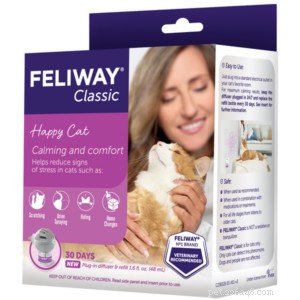
For stress‑related licking, implement environmental enrichment, a consistent routine, calming pheromone diffusers like Feliway, and removal of stressors (e.g., loud music). In some cases, anti‑anxiety medications or supplements are prescribed.
Skin Care & Support
- Supplements: Omega‑3 rich fish oil or hemp oil to reduce inflammation and support skin health.
- Topicals: Coconut oil or anti‑itch creams to hydrate and soothe dry, irritated patches.
- Humidifier: Adds moisture to dry indoor air, helping prevent skin dryness.
Regular Veterinary Check‑Ups
Ongoing monitoring ensures treatment effectiveness and allows timely adjustments if new issues arise.
By identifying and addressing the root cause of your cat’s itching and licking, you can restore comfort, prevent further skin damage, and keep your feline companion healthy and happy.
- Pet Behavior
- Pet Breeds
- Pet Names
- Pet Adoption
- Pet Training
- Cat Stories
- Pet Health
- Adorable Pets
- Cats
- Keeping Birds in Your Greenhouse: Benefits, Tips, and Best Practices
- 5 Surprising Facts About the Exotic Shorthair Cat
- Kitten Belly Bloating: Causes, Symptoms & Treatment Options
- Effective Natural Remedies to Relieve Your Dog’s Itchy Skin
- Understanding Fish Mouth Types and Their Ecological Roles
- CBD for Horses: Proven Benefits, Usage Guidelines, and Expert Insights
- How to Safely Pick Up a Puppy: Tips for Comfort & Confidence