

Cat Summer Safety: 6 Essential Tips to Protect Your Feline from Heat, Parasites & More
All featured products are chosen at the discretion of the GreatPetCare editorial team and do not reflect a direct endorsement by the author or reviewer.
Summer’s sunshine can be a delight for humans, but for our feline companions it can bring hidden risks. The rising temperatures, increased outdoor activity, and seasonal changes can all threaten a cat’s health, even indoors.
Below are six common summer hazards and clear, evidence‑based strategies to keep your cat safe, cool, and happy.
Let’s dive in and ensure your kitty enjoys the sunny days without worry.
How to Protect Your Cat From Top Summer Hazards
Unexpected injuries, illnesses, or vet visits ruin any sunny outing. The following six risks are the most prevalent during summer, along with proven ways to defend your cat.
Heatstroke
Cats are adept at regulating body temperature, but extreme heat can overwhelm their cooling mechanisms. Heatstroke occurs when core temperature rises above 104°F (40°C). It is a leading cause of feline deaths during hot months, according to UK veterinarian Dr. Alex Crow, MRCVS.
Key signs include rapid breathing, panting, restlessness, drooling, a red tongue or mouth, and lethargy. If you suspect heatstroke, move your cat to a shaded, cool area, offer fresh water, and contact your vet immediately.
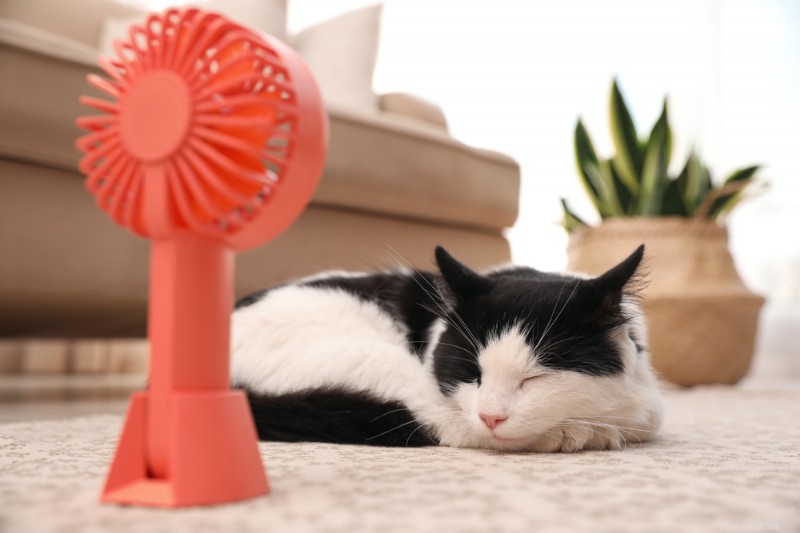
Both indoor and outdoor cats are vulnerable, especially in homes that exceed 90°F (32°C). Ensure a cool retreat, provide ample water, and limit outdoor play to early mornings or late evenings.
Dehydration
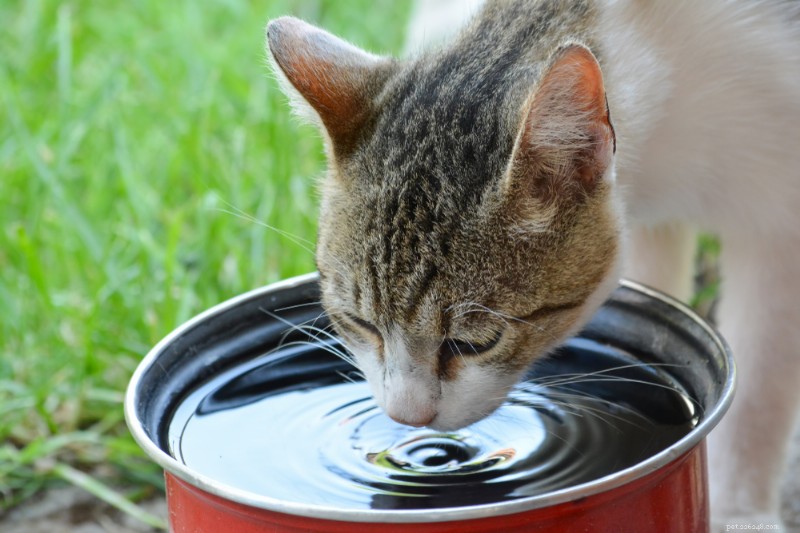
Higher temperatures accelerate fluid loss. Older cats or those with kidney disease, diabetes, or respiratory infections are at greater risk. Dehydration can precipitate kidney failure or urinary tract infections.
Prevent dehydration by offering fresh water throughout the day—use multiple bowls, a water fountain, or wet food to increase intake. Watch for sunken eyes, dry mouth, lethargy, or weakness; seek veterinary care if these signs appear.
Parasites
Summer sees a surge in fleas, ticks, mosquitoes, and worms. A single mosquito bite can transmit heartworm, while fleas can spread tapeworms. Both indoor and outdoor cats can contract parasites if a flea or tick enters the home.
Year‑round prevention is critical. Discuss with your vet the most effective topical, collar, or oral treatments for your region. Consider a GreatPetCare account for medication reminders and easy access to your pet’s records.
Toxic Plants and Chemicals

Garden plants such as lilies, azaleas, and chrysanthemums, along with fertilizers, pesticides, and herbicides, can be harmful if ingested or absorbed through the skin.
Check all indoor and outdoor plants for toxicity and keep them out of reach or replace them with pet‑safe varieties. Store chemicals behind locked doors and keep cats away from freshly treated areas, including neighboring yards.
If exposure is suspected, call your vet promptly. For immediate guidance, contact ASPCA Poison Control (888‑426‑4435) or Pet Poison Helpline (855‑764‑7661). Note that both services charge a consultation fee.
Fireworks and Loud Noises

Fireworks can cause significant stress, anxiety, and even dangerous escape attempts. Create a quiet, secure space for your cat during loud celebrations. Calming tools such as pheromone diffusers, anxiety wraps, or prescription medication (if advised by a vet) can help.
Sunburn
Even cats with fur are susceptible to sunburn, especially on exposed skin like ears, nose, and belly. Light‑faced cats are particularly vulnerable. UV rays peak between mid‑morning and mid‑afternoon, even on cloudy days.
Keep cats indoors during peak sunlight. If outside, apply pet‑safe sunscreen to exposed areas. Treat mild sunburns with cold compresses and veterinarian‑recommended pain relief. Severe or blistering sunburns require immediate veterinary care.
Summer can be wonderful for cats, but staying aware of these hazards, acting proactively, and using tools like GreatPetCare’s free account will keep your feline friend safe and happy all season.
- Pet Behavior
- Pet Breeds
- Pet Names
- Pet Adoption
- Pet Training
- Cat Stories
- Pet Health
- Adorable Pets
- Cats
- Beware of Ragdoll Breeder Scams: Protect Your Jasmine Ragdoll Kitten Purchase
- Can Dogs Recognize Their Own Reflection? Understanding Self‑Awareness in Canines
- Understanding Canine Atopic Dermatitis: Causes, Symptoms & Effective Treatments
- Protect Your Dog’s Paws Without Booties: Proven Alternatives for Any Weather
- 10 Proven Reasons Carrots Are the Best Dog Treat
- Discover the Pacific Blue Tang: Facts, Care, and Habitat
- Top 8 Fungal Infections in Dogs: Symptoms, Diagnosis, and Treatment