

Cat Fungal Infections: 10 Common Types, Signs, and Treatment Options
Fungal infections in cats arise when spores that thrive in soil, decaying vegetation, and airborne dust are inhaled, ingested, or enter through a skin wound. These spores can colonize the cat’s body and trigger a spectrum of clinical signs.
While dermatophytosis (ringworm) is the most frequently seen fungal disease, systemic infections that involve the respiratory tract or internal organs are rare, affecting only about 7 in 10,000 cats seen at North American university teaching hospitals [1].
How Cats Acquire Fungal Infections
Fungi reach a cat’s body via three primary routes:
Inhalation
Curious noses sniffing soil, hunting for prey, or rolling in damp grass can bring fungal spores into the respiratory tract.
Ingestion
Eating contaminated prey or licking spores from a coat introduces the fungus into the gastrointestinal system.
Skin Wounds
Spore‑laden soil can enter through scratches, bite wounds, or nail injuries, making skin infections the most common manifestation.
Indoor Exposure
Fungal spores are ubiquitous and can be carried into homes on shoes, outdoor gear, or other pets, so indoor cats are not immune.
Risk Factors
Young, senior, or immunocompromised cats—such as those with diabetes, FIV, or those on steroids—are more susceptible. Outdoor lifestyles also increase exposure.
Recognizing the Signs
Symptoms vary with the site of infection, but common clues include:
- Fur loss or thinning
- Itching, scratching, or rubbing
- Skin rashes or crusting
- Coughing, wheezing, or difficulty breathing
- Loss of appetite, vomiting, or diarrhea
- Unexplained weight loss or lethargy
Skin infections usually remain localized, whereas respiratory or systemic cases may present with fever, nasal discharge, or neurological signs.
10 Fungal Infections in Cats
| Infection | Respiratory | Gastrointestinal | Skin | Systemic | Zoonotic? |
|---|---|---|---|---|---|
| Dermatophytosis (Ringworm) | — | — | ✓ | — | Yes |
| Malassezia | — | — | ✓ | — | No |
| Sporotrichosis | — | — | ✓ | — | Yes |
| Rhinosporidiosis | ✓ | — | — | — | No |
| Nasal Aspergillosis | ✓ | — | — | — | Low |
| Disseminated Aspergillosis | ✓ | — | — | ✓ | Low |
| Cryptococcosis | ✓ | — | — | ✓ | No |
| Blastomycosis | ✓ | — | ✓ | ✓ | No |
| Histoplasmosis | ✓ | ✓ | — | ✓ | No |
| Candidiasis | — | ✓ | ✓ | — | No |
Dermatophytosis (Ringworm)
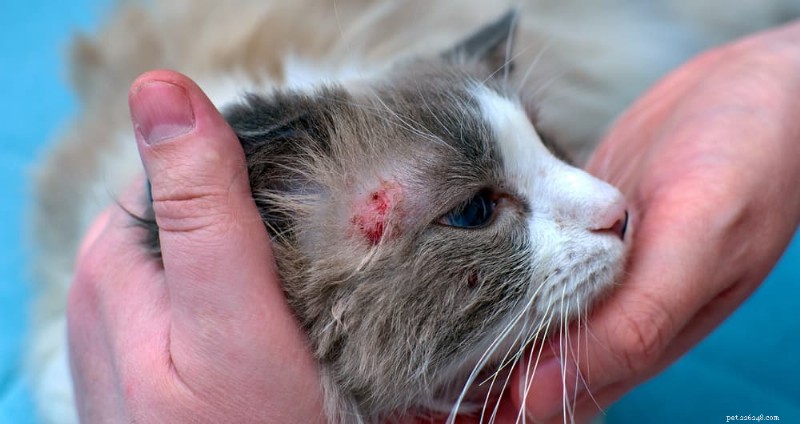
Ringworm is caused by dermatophyte fungi that invade the epidermis through skin breaks. It appears as circular, scaly lesions that may coalesce into a larger area of hair loss. The disease is highly contagious, spreading via direct contact or contaminated bedding. Zoonotic transmission to humans, especially young children, is common.
Malassezia
Overgrowth of the normal skin yeast Malassezia furfur can lead to dermatitis, ear infections, and nail bed inflammation, especially in breeds with skin folds or in damp environments. Diagnosis is confirmed with a cytology slide; treatment typically involves topical antifungals and, if needed, oral therapy.
Sporotrichosis
This dimorphic fungus, found in moist soil and vegetation, enters through wounds. Lesions begin around the nose, ears, or paws and may spread via lymphatics. Early detection allows topical therapy with itraconazole or terbinafine, while severe cases may require surgical excision.
Rhinosporidiosis
Rare in the United States, this infection forms polypoid masses in the nasal cavity. Chronic bloody discharge and nasal swelling are hallmark signs. Surgical removal is the mainstay of treatment; antifungal medication post‑operatively helps reduce recurrence.
Nasal Aspergillosis
Inhaled Aspergillus spores colonize the nasal passages and sinuses, often in long‑nose breeds. Symptoms include a purulent or bloody nasal discharge, sneezing, and occasional snoring. Diagnosis involves endoscopic visualization and biopsy. Treatment may combine surgical debridement, topical antifungals, and oral agents.
Disseminated Aspergillosis
Although exceedingly rare, Aspergillus can disseminate via the bloodstream, affecting lungs, CNS, and bones. Clinical signs range from respiratory distress to neurologic deficits. Imaging (X‑ray, CT) and culture are needed for confirmation; long‑term oral antifungals are required, and prognosis is guarded.
Cryptococcosis
Often linked to pigeon droppings, this fungus first infects the nasal mucosa and can spread to the CNS or bloodstream. Symptoms include nasal discharge, facial swelling, and, in systemic disease, seizures. Diagnosis uses a latex agglutination test on blood, urine, or CSF; treatment combines surgical removal of nasal lesions with prolonged oral antifungals.
Blastomycosis
Associated with wet, vegetated environments, blastomycosis can affect the lungs, skin, and other organs. Systemic disease presents with coughing, fever, and weight loss; cutaneous lesions may appear as ulcerated nodules. Diagnosis relies on microscopic examination of tissue; treatment is a long course of oral antifungals.
Histoplasmosis
Spore inhalation from bird or bat droppings triggers an infection that may become systemic. Symptoms include lethargy, weight loss, and respiratory distress. A 6‑month oral antifungal regimen is typical.
Candidiasis
Although uncommon in cats, candidiasis usually results from ingestion of yeast spores and manifests as GI upset and skin lesions. Diagnosis is by skin scrapings; therapy includes topical and oral antifungals.
Managing Fungal Infections
Treatment depends on the fungal species, infection site, and disease severity. Common modalities include:
- Topical antifungal creams or shampoos (e.g., miconazole, terbinafine)
- Medicated wipes or baths for skin and ear infections
- Oral antifungal agents (itraconazole, fluconazole, ketoconazole)
- Surgical removal for localized lesions or polypoid growths
- Supportive care—hydration, appetite stimulants, and pain control
Because some infections, such as nasal aspergillosis or disseminated aspergillosis, involve deep tissues, treatment may require a combination of surgical and pharmacologic approaches. Close collaboration with your veterinarian and regular follow‑up are essential for successful outcomes.
Common Antifungal Medications for Cats
- Itrafungol (Itraconazole) – oral solution, approved for ringworm.
- Fluconazole (Diflucan) – off‑label use for systemic and dermatologic fungal diseases.
- Ketoconazole – rarely prescribed orally due to hepatotoxicity; used topically in some products.
- Malaseb Shampoo – antibacterial/antifungal wash for skin and nails.
- Animax Ointment – combines antifungal, antibiotic, and steroid for cutaneous lesions.
- TrizUltra + KETO Solution – topical cleanse for ear and skin infections.
- Mal‑A‑Ket Wipes – antifungal wipes for skin folds.
Prevention Strategies
Preventing fungal disease starts with routine care:
- Regular grooming – inspect for hair loss, scaling, or wounds, especially around skin folds.
- Parasite control – keep flea and tick prevention current to reduce skin trauma.
- Environmental hygiene – clean bedding, use air filters, and avoid exposing cats to known fungal hotspots (e.g., pigeon droppings).
- Monitor health – watch for early signs such as sneezing, nasal discharge, or unexplained itching.
- Balanced diet – provide nutrition that supports skin integrity; consider supplements after vet advice.
Protecting Your Family
Because some fungal infections are zoonotic, maintain good hand hygiene after handling your cat or cleaning bedding. If you notice symptoms in yourself or other family members, consult a healthcare provider promptly.
References:
- Pet Behavior
- Pet Breeds
- Pet Names
- Pet Adoption
- Pet Training
- Cat Stories
- Pet Health
- Adorable Pets
- Cats
- Finding Turtles: Expert Tips to Locate Wild, Lost, and Rescue Pets
- Your First 30 Days with a Pet Chameleon: A Complete Care Guide
- Puggles Uncovered: Health, Temperament, and Why They’re a Smart Choice for Families
- Common Household Plants That Are Toxic to Dogs – Protect Your Pet
- Mastering Cat Accident Cleanup: Expert Tips for a Spotless Home
- 10 Critical UK Puppy Mill Statistics & Facts for 2022
- Explore the 21 Distinct Colors of Shar‑Peis – Comprehensive Guide & Photos