

8 Proven Cat Exercise Strategies to Safely Lose Weight
All featured products are chosen at the discretion of the GreatPetCare editorial team and do not reflect a direct endorsement by the author or reviewer.
Recent data from the Association of Pet Obesity Prevention shows that in 2022, 61 % of domestic cats were overweight or obese (1). This means roughly 3 in 5 cats are carrying excess weight, which can severely compromise their health and longevity. With the right guidance, targeted exercise can be a powerful ally in helping your feline friend achieve a healthier weight.
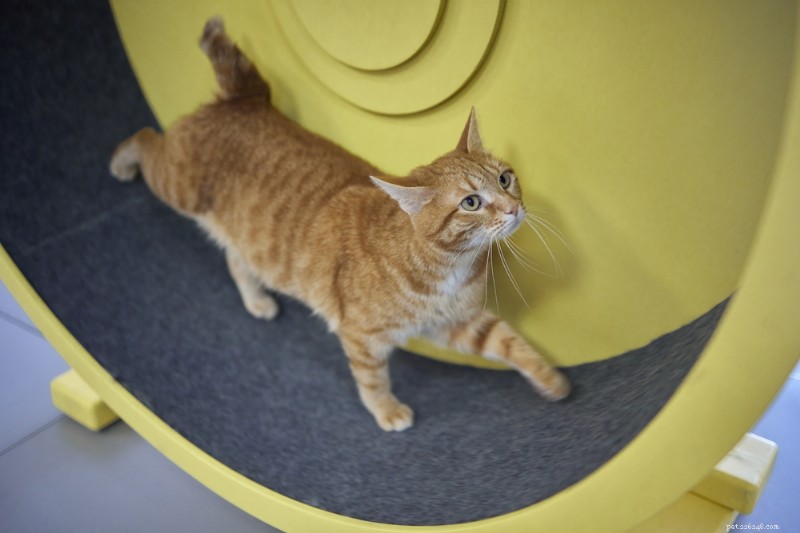
In this guide we focus on the role of cat exercise in weight loss, offering safe, enjoyable activities you can share with your cat. Even if your cat is already active, these ideas can help maintain an ideal weight.
How Overweight Cats Affect Their Health
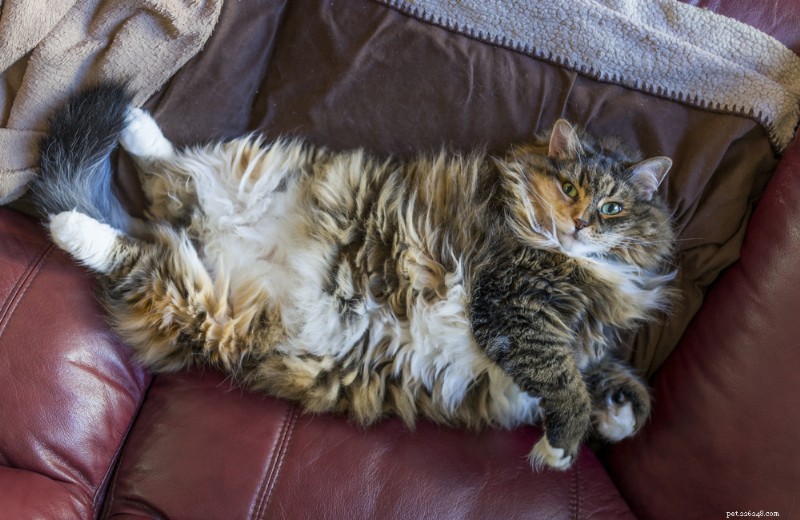
Feline obesity is more than a cosmetic issue; it elevates the risk of several serious conditions:
- Diabetes
- Heart disease
- Urinary tract disease
- Osteoarthritis
- Cancer
- Hypertension
Obesity shortens life expectancy (2) and reduces quality of life through mobility restrictions, lethargy, and mood changes.
Can Exercise Really Help a Cat Lose Weight?
Yes—physical activity boosts calorie burn, builds muscle, and stimulates metabolism, all of which support weight loss, explains Dr. Nick Horniman, MRCVS, founder of MyPetsVet and VETSbarn Veterinary Centre.
Exercise also supports mental health. Cat behavior trainer Rita Reimers, co‑founder of Cat Behavior Alliance, notes that regular play reduces stress and boredom—factors that often lead to overeating.
However, exercise alone is rarely sufficient. A calorie‑controlled diet, tailored by a veterinarian, is essential. Vets can design a nutrition plan that considers age, breed, health status, and specific needs.
For cats with arthritis or joint pain, omega‑3 and omega‑6 supplements can alleviate inflammation, easing movement and reducing weight gain.
8 Best Cat Exercise Options for Weight Loss
Like humans, cats thrive on playful, engaging activities. Below are eight exercise ideas that blend fun with effectiveness.
#1: Set Up a Home Agility Course
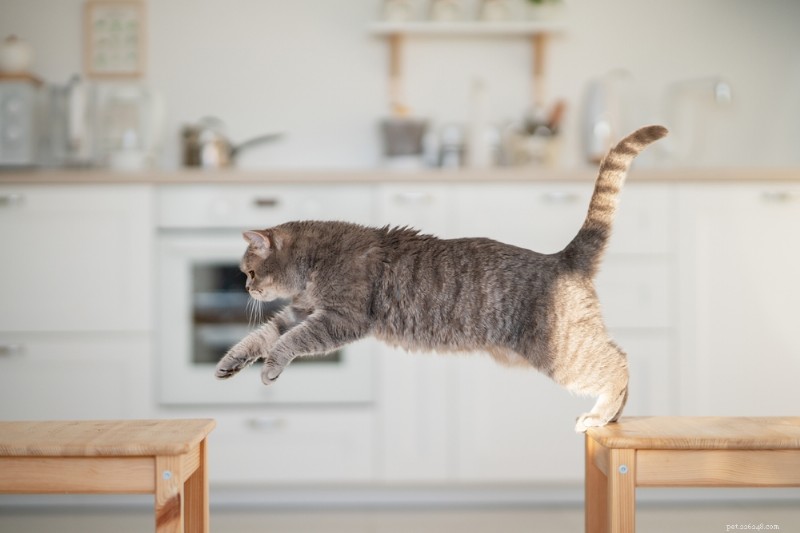
Dr. Horniman recommends a small indoor agility course—tunnels, boxes, ramps, and safe obstacles—to motivate cats to move and burn calories. Use a favorite toy or treat to guide your cat through each challenge.
#2: Hide and Seek with Treats
For food‑motivated cats, hide small portions of treats around the house. Place some in high spots that require a jump, and others under furniture that need a crouch. This game engages their scent and hunting instincts while encouraging movement.
#3: Bathtub Pong
Transform your bathtub into a playful arena by placing a lightweight ping‑pong ball inside. The enclosed space keeps the ball contained, prompting your cat to paw and swat, which promotes quick, agile movements.
#4: Interactive Play Sessions

Use feather wands, laser pointers, or wand toys to mimic prey movements. Aim for two 10‑ to 15‑minute sessions daily to keep your cat physically and mentally stimulated.
#5: Walk Your Cat
With a well‑fitted harness and leash, you can safely explore the outdoors with your cat. Begin indoors to accustom them to the harness, then introduce quiet outdoor areas. Walking allows moderate exercise and satisfies curiosity.
#6: Catify Your Home
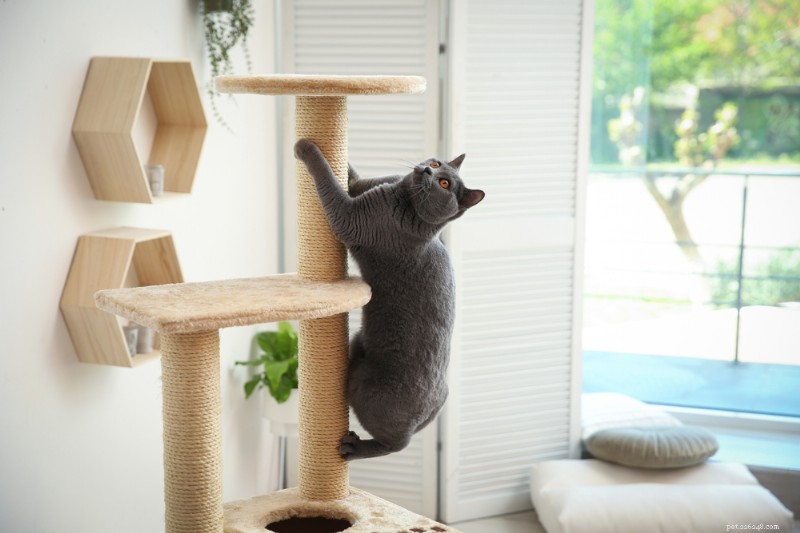
Design vertical spaces—cat shelves, climbing trees, wall‑mounted steps—to encourage climbing and jumping. This natural activity boosts movement and provides mental stimulation.
#7: Self‑Play Toys
Touch‑activated toys—rolling balls, vibrating plush, or motorized gadgets—respond to your cat’s touch or motion. They offer independent play that keeps your cat active even when you’re not present.
#8: Make Mealtime Active
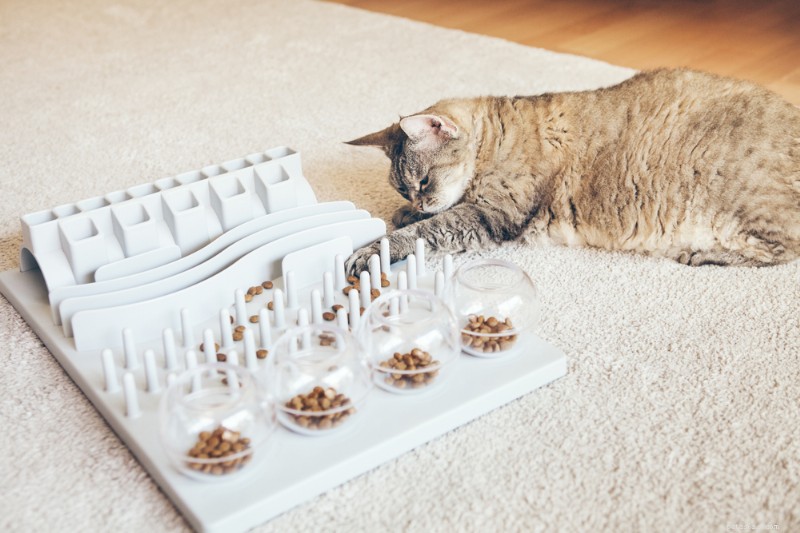
Use treat balls, puzzle feeders, or lick mats to turn feeding into an exercise. These tools slow eating pace, reduce overeating, and require physical effort to access food.
Cat Exercise Safety Tips
Prioritize safety when adding exercise to your cat’s routine. Follow these key guidelines:
Consult a Veterinarian
Before starting a new program, get a vet’s advice. They can tailor activities to your cat’s health—e.g., gentler play for arthritis or more vigorous exercise for high‑energy breeds.
Always Provide Fresh Water
Hydration is vital before and after activity. Clean water bowls daily (or twice) and maintain water fountains weekly to prevent bio‑slime buildup.
Monitor for Overheating
Watch for panting, lethargy, or drooling during play. If these signs appear, pause activity and let your cat cool down.
Don’t Overdo It
Cats prefer short bursts over long sessions. Keep playtimes brief and enjoyable; stop if your cat shows fatigue or disinterest.
Create a Safe Environment
Remove toxic plants, secure loose wires, and check for small objects that could be swallowed. A hazard‑free zone ensures injury‑free exercise.
Gradually Introduce New Activities
Introduce new exercises slowly to avoid stress or injury.
Rotate Toys
Keep play fresh by rotating a few favorites. Novelty boosts enthusiasm and keeps your cat engaged.
Follow a PEGS Routine
PEGS—Play, Eat, Groom, Sleep—mirrors a cat’s natural cycle. Play excites, eating provides reward, grooming cleans, and sleep recovers. This routine supports physical and mental well‑being.
By integrating these practices, you support not just weight loss but overall vitality and joy for your feline companion.
References
- 2022 State of U.S. Pet Obesity Report. Association for Pet Obesity Prevention. Retrieved from https://static1.squarespace.com/static/6425ec5d33eaaa634113b2d4/t/6454f61c0cad164860799c8f/1683289630779/2022+State+of+US+Pet+Obesity+Report.pdf
- Teng, Kendy T et al. “Strong associations of nine‑point body condition scoring with survival and lifespan in cats.” Journal of feline medicine and surgery vol. 20,12 (2018): 1110‑1118. doi:10.1177/1098612X17752198
- Pet Behavior
- Pet Breeds
- Pet Names
- Pet Adoption
- Pet Training
- Cat Stories
- Pet Health
- Adorable Pets
- Cats
- Cryptorchidism in Dogs: Why Neutering Matters for Health
- Is Your Dog Suffering from Periodontal Disease? Expert Signs & Prevention Tips
- Understanding Dog Hair Loss: 5 Causes & Effective Solutions
- Seamlessly Introducing My Savannah Cats to a New Feline Companion
- 10 Must-Have Gifts to Fill Your Cat’s Christmas Stocking
- Professional Guide: Massage Your Dog for Stress Relief & Muscle Relaxation
- How Far and How Fast: Exploring the Sound Range Dogs Can Hear