

What Healthy Cat Gums Look Like: A Veterinarian’s Guide
All featured products are chosen at the discretion of the GreatPetCare editorial team and do not reflect a direct endorsement by the author or reviewer.
Healthy gums are more than a cosmetic concern; they’re a frontline indicator of your cat’s overall health. By learning how to read your feline’s gum color, texture, and responsiveness, you can spot early signs of dehydration, anemia, infection, and systemic disease.
How to Evaluate Your Cat’s Gums
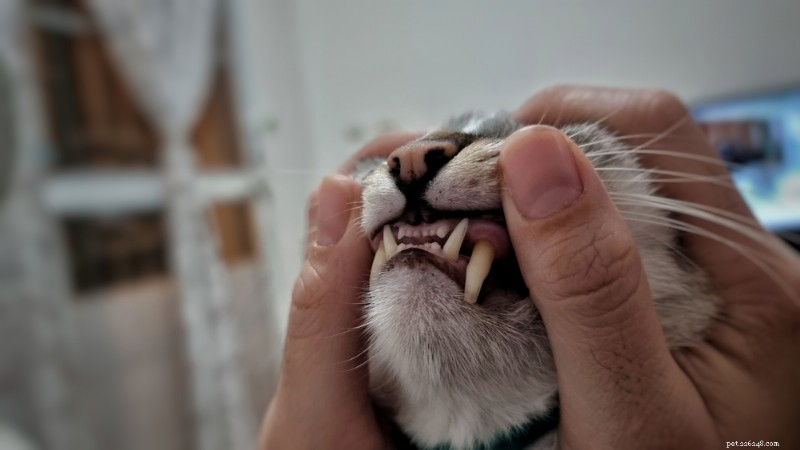
During a routine veterinary exam, a veterinarian assesses the gums for hydration, oxygenation, and blood cell function. The same information can be gathered at home by gently pressing the inner lip or gum; a brief blanching that returns in under two seconds is a normal capillary refill time (CRT). If the color takes longer, consult your vet.
Note that small black spots—known as lentigo simplex—are common in cats and require no treatment. However, any raised, inflamed, or discolored spots warrant a professional evaluation.
Weekly Monitoring Tips
For healthy cats, a quick weekly check is sufficient. If your cat is showing any illness, increase the frequency to daily to track changes.
- Color: Should be a consistent pink.
- Moisture: Gums should feel damp, not dry.
- Texture: Smooth without swelling or lesions.
Red Flags to Watch For
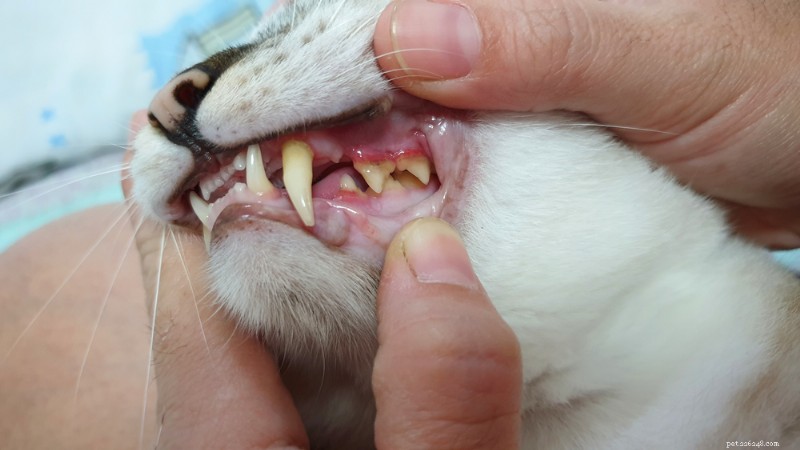
Contact your veterinarian if you observe any of the following:
- Color change: Paleness, bright red, yellow, or blue hues can signal anemia, infection, or hypoxia.
- Dryness: Indicates possible dehydration.
- Inflammation: Swelling or redness along the gumline suggests gingivitis.
- Lesions: Raised tissue, injuries, or masses require immediate assessment.
- Overgrowth: Gums encroaching on teeth may indicate gingival hyperplasia.
Cat Gum Color Reference Chart
| Color | What It Could Mean | What To Do |
|---|---|---|
| Pink | Normal and healthy | — |
| Pale Pink or White | Possible anemia or low blood pressure | Contact vet ASAP, especially if lethargic |
| Bright Red (gum margin) | Gingivitis | Schedule a dental checkup |
| Bright Red (entire gumline) | Heatstroke, allergic reaction, or sepsis | Seek emergency veterinary care |
| Brick Red or Brown | Possible toxin ingestion or certain diseases | Contact vet ASAP |
| Yellow | Hemolytic anemia, liver or gallbladder issues | Schedule vet exam for testing |
| Blue, Purple, or Gray | Low blood oxygen | Seek emergency veterinary care |
| Black | Normal in darker‑skinned cats; raised spots may indicate a mass | If raised, schedule a vet exam |
Common Causes of Unhealthy Gums

1. Dental Disease
Inadequate oral hygiene allows plaque to build up, leading to gingivitis, recession, and excessive tissue growth. The first visible sign is often gum inflammation.
2. Genetic Predisposition
Some breeds—Siamese, Maine Coon, British Shorthair, Abyssinian, and flat‑faced breeds like Persians—have a higher risk of gum disease.
3. Underlying Systemic Illness
Conditions such as Feline Leukemia Virus (FeLV), Feline Immunodeficiency Virus (FIV), Bartonellosis, calicivirus, kidney disease, diabetes, and immune‑system disorders can exacerbate oral problems. Oral tumors, though rare, often require prompt veterinary care.
Why Healthy Gums Matter

Gingivitis, if left untreated, progresses to periodontal disease, damaging tooth roots and bone, and can lead to systemic infections. Dental issues also correlate with cognitive decline in older cats and can cause pain that reduces food intake, leading to weight loss.
When to Seek Veterinary Care
If you notice any abnormal gum color, dryness, swelling, lesions, or overgrowth, schedule an appointment promptly. Avoid self‑treatment for symptoms such as lethargy, loss of appetite, vomiting, or labored breathing. Pale, bright red, yellow, or blue gums demand immediate attention.
Maintaining Healthy Gums: A Preventive Strategy
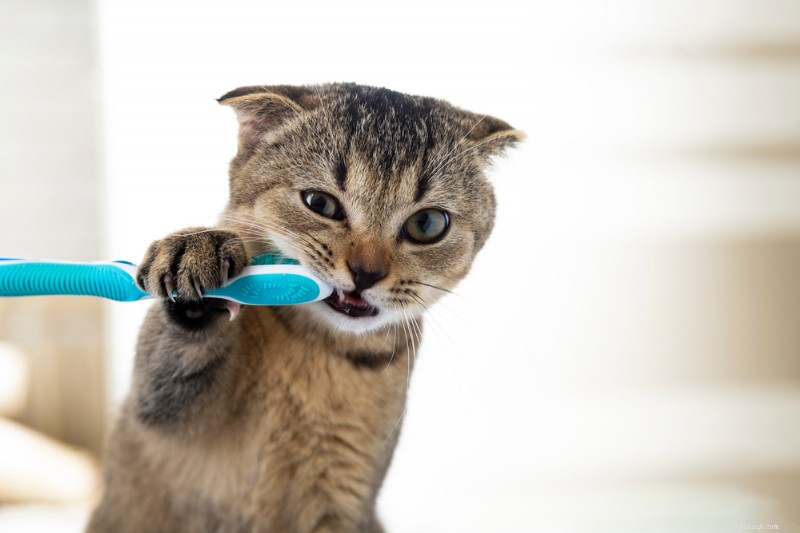
Proactive care includes:
- Daily Tooth Brushing: Use a pet‑safe enzymatic toothpaste.
- Water Additives: Approved by the Veterinary Oral Health Council (VOHC).
- Dental Treats: Designed to reduce plaque.
- Dental Wipes: For quick cleaning between meals.
- Breath Fresheners: That also promote dental health.
- Dental Diets: Formulated to maintain oral hygiene.
- Prescription Dental Diets: For cats with existing periodontal disease.
Additionally, regular veterinary exams, professional cleanings, and routine bloodwork/urinalysis can catch early signs of systemic conditions that affect gum health.
By staying vigilant and implementing these preventive measures, you help ensure your cat enjoys a pain‑free, healthy life—starting with their smile.
- Pet Behavior
- Pet Breeds
- Pet Names
- Pet Adoption
- Pet Training
- Cat Stories
- Pet Health
- Adorable Pets
- Cats
- Smart Activity Trackers for Dogs: Monitor Health & Activity
- Why Hiring a Professional Cat Sitter Is Essential for Your Vacation
- Cat Breeds Explained: From Popular Favorites to Rare Gems
- Canine Pregnancy Explained: Typical Gestation Length & Key Care Tips
- 18 Heartwarming Tales of Humans Helping Animals
- Veterinary Insight: Why Cats Knock Items Off Surfaces with Their Paw
- Unveiling the Truth About Cat Insurance: Costs, Coverage, and What to Know