

Watery Eyes in Cats: 6 Common Causes and How to Treat Them
Seeing excess tear production in your cat can be alarming. While a few extra tears are normal, persistent watery eyes often signal an underlying issue that may require veterinary care.
In this guide we break down the main causes of feline tearing, explain what to look for, and outline evidence‑based treatment options.
The Basics of Tear Production in Cats
Cat eyes are protected by a natural tear film produced by the lacrimal glands located along the upper eyelid. Tears flow from the eyelids into the tear sac and then drain through the nasolacrimal duct into the nasal cavity.
When the drainage system is disrupted or the glands over‑produce tears, excess fluid spills out of the eye.
Recognizing Watery Eyes in Your Cat
Typical discharge is clear to slightly white or pale brown and may appear in one or both eyes. Look for:
- Redness or swelling around the eye
- Squinting or eye rubbing
- Frequent sneezing or nasal congestion
- Abnormal eyelid shape or inward rolling
- Cloudiness or irritation at the inner corner
- Hair loss around the eye
More intense discharges—such as thick yellow or green mucus, or blood—often indicate a more serious infection or injury.
Six Common Causes of Watery Eyes in Cats
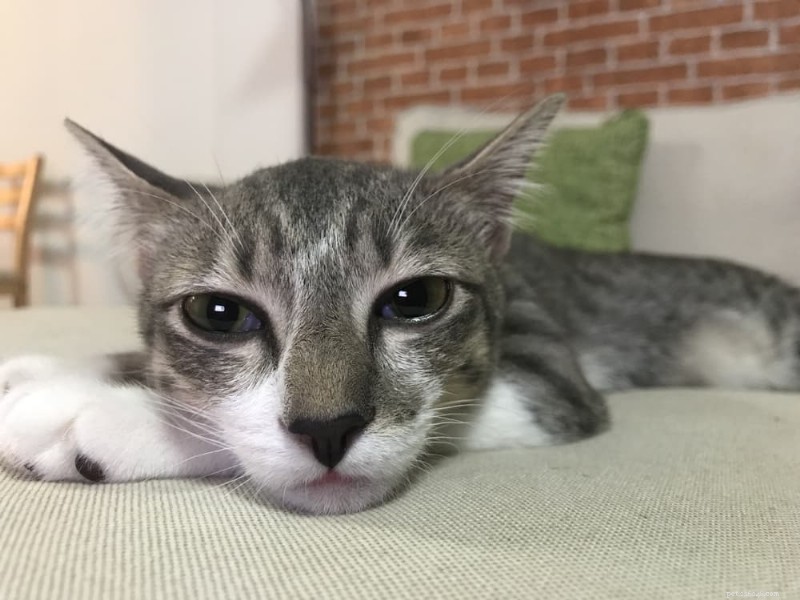
1. Feline Herpesvirus‑1 (FHV‑1)
FHV‑1 is the leading cause of feline conjunctivitis. According to the American Veterinary Medical Association, it inflames the eye and nasal passages, leading to clear or slightly cloudy discharge.
2. Nasolacrimal Duct Obstruction
A blockage—often from a tumor, swelling, or nasal congestion—prevents tears from draining, causing persistent watery eyes.
3. Bacterial Infections (e.g., Chlamydophila felis)
Young kittens are especially vulnerable. Bacterial infection can cause swelling and thick discharge that may appear greenish.
4. Foreign Bodies
Plant material, dust, or debris can become trapped under the eyelid, provoking irritation and excess tearing.
5. Breed‑Related Predisposition
Brachycephalic breeds (flat‑facial cats) have a sharply angled nasolacrimal duct that is prone to kinking, leading to chronic watery eyes.
6. Congenital Abnormalities
Some cats are born with malformed ducts or incomplete eyelid formation, which can impede tear drainage.
Treatment Options
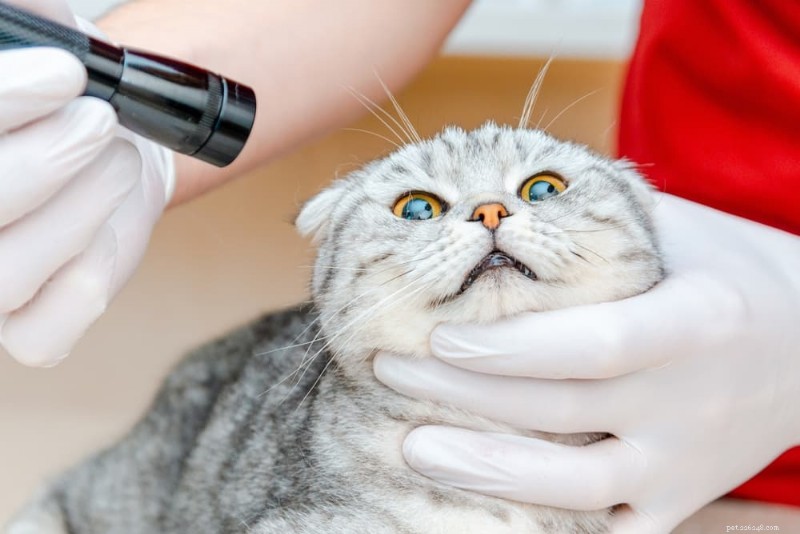
Not every case requires medication. If the discharge is minimal and the cat shows no discomfort, gentle daily cleaning with a damp cloth usually suffices.
When irritation or inflammation is present, a veterinarian may prescribe:
- Topical antibiotic or anti‑inflammatory ointments
- Oral antivirals (e.g., famciclovir) for chronic FHV
- Flushing or surgical correction of a blocked duct
- Surgical repair for congenital eyelid or duct defects
In suspected foreign‑body cases, sedation and careful removal under veterinary supervision are necessary.
Are Home Remedies Safe?
Lubricating eye drops or over‑the‑counter ointments are generally ineffective for most underlying conditions and can delay proper treatment. Home care should be limited to gentle cleaning.
Prevention Strategies
Reduce stress, keep vaccination up to date, and promptly address any signs of nasal or ocular discharge. Early intervention can prevent chronic inflammation and permanent duct closure.
Vaccines for FHV‑1 and, in selected high‑risk environments, Chlamydophila felis, can significantly lower disease incidence.
- Pet Behavior
- Pet Breeds
- Pet Names
- Pet Adoption
- Pet Training
- Cat Stories
- Pet Health
- Adorable Pets
- Cats
- Why Dogs Seek Closets: Understanding Their Hidden Behavior
- Black German Shepherd Puppies: A Comprehensive Guide to the Rare Breed
- Top Family-Friendly Dog Breeds for a Harmonious Home
- Can Birds Safely Eat Lettuce? Find the Right Amount
- Teach Your Dog to Stay While Feeding: A Step-by-Step Guide
- What to Do If Your Dog Is Losing Hair: Causes, Symptoms & Solutions
- German Shepherd: Traits, Care, and Popularity