

Managing Feline Diabetes Without Insulin: Evidence-Based Alternatives
All featured products are chosen at the discretion of the GreatPetCare editorial team and do not reflect a direct endorsement by the author or reviewer.
When a cat is diagnosed with diabetes, owners often feel overwhelmed by treatment options. While insulin remains the cornerstone of feline diabetes care, a growing number of veterinarians now prescribe oral, injection‑free therapies for select cats. Which cats are suitable candidates for insulin alternatives? Let’s examine the evidence.
Treating Diabetes in Cats Without Insulin: Is It Possible?
Yes—certain cats can manage their condition with oral medication. However, insulin therapy is still the gold standard for most cases. Ideal candidates for non‑insulin treatment typically meet these criteria:
- Diagnosed with type 2 diabetes (insulin resistance)
- No significant comorbidities or complications from diabetes
Type 2 diabetes is the most common form in cats, especially in overweight or obese individuals. These cats produce enough insulin, but their tissues do not respond effectively, keeping blood glucose elevated.
In contrast, type 1 diabetes involves an absolute insulin deficiency. Cats with type 1, severe illness, prior insulin use, or liver/kidney disease are generally poor candidates for oral therapy and are at higher risk for diabetic ketoacidosis. For them, insulin injections remain essential.
How to Treat Diabetes in Cats Without Insulin

While the core management plan mirrors that of insulin‑treated cats—daily medication, consistent feeding, weight management, hydration, exercise, and regular veterinary monitoring—oral therapy introduces a new medication component. Key elements include:
- Daily oral medication tailored to the cat’s needs
- Time‑consistent, low‑carbohydrate diet rich in high‑quality protein, moderate fiber, and controlled fat
- Weight‑loss support if overweight or obese
- Continuous access to fresh water
- Daily exercise routine at the same time each day
- Home monitoring of blood or urine glucose and ketones as advised by your vet
- Prompt veterinary review of any signs such as increased urination, thirst, vomiting, diarrhea, or lethargy
- Routine dental care to prevent periodontal disease that can affect glucose control
- Annual veterinary check‑ups with bloodwork
Two oral agents are currently approved for feline diabetes management:
- SGLT2 inhibitors (e.g., Bexacat®)
- Glipizide (e.g., Glucotrol®)
Treating Diabetes in Cats with SGLT2 Inhibitors
Bexacat® is the commercial name for bexagliflozin, a sodium‑glucose cotransporter‑2 (SGLT2) inhibitor. Senvelgo® (velagliflozin) is an oral liquid form used once daily. SGLT2 inhibitors lower blood glucose by blocking reabsorption of glucose in the kidneys, thereby increasing urinary glucose excretion.
Bexacat® is administered as a once‑daily, flavored 15 mg chewable tablet. The recommended dose is consistent for cats weighing >6.6 lb, and the medication can be given with or without food. A typical 30‑tablet supply costs approximately $70.
Pros
- Easy, once‑daily dosing with a flavored chewable form improves owner compliance
- Can be given with or without food
- Minimal risk of hypoglycemia
- Low incidence of severe side effects; most are mild and transient
- Uniform dose for all cats >6.6 lb simplifies prescribing
Considerations
- Approved only for uncomplicated type 2 diabetes in cats that have never received insulin
- Contraindicated in dehydrated cats, those with liver or kidney disease, pancreatitis, or hyperlipidemia
- Not suitable for cats <6.6 lb
- Potential adverse effects include dehydration, urinary tract infection, vomiting, and loose stools
- Requires ketone monitoring to detect rare euglycemic ketoacidosis
- Long‑term use may affect calcium metabolism or increase urinary tract infection risk
- Cats may still exhibit polydipsia or polyuria even with normalized glucose
- Some cats may gain weight on therapy
Treating Diabetes with Glipizide for Cats
Glipizide, a sulfonylurea originally approved for human type 2 diabetes, is commonly used off‑label in cats. It stimulates pancreatic insulin secretion and enhances peripheral insulin sensitivity. Typical dosing starts at 2.5 mg (half of a 5 mg tablet) twice daily and may be increased to 5 mg twice daily if needed.
Pros
- Cost‑effective—100 tablets ≈ $15
- Available in liquid, chewable, or transdermal lotion forms
- Can be prescribed for cats <6.6 lb
Considerations
- May accelerate progression to insulin dependence in some cats
- Requires twice‑daily dosing with food for optimal absorption
- Transdermal formulations show variable absorption and are less reliable
- Off‑label use by the FDA; veterinary judgment is essential
- Regular liver function testing is advised during therapy
- Only about 40 % of cats respond positively to glipizide
How to Give a Cat a Tablet
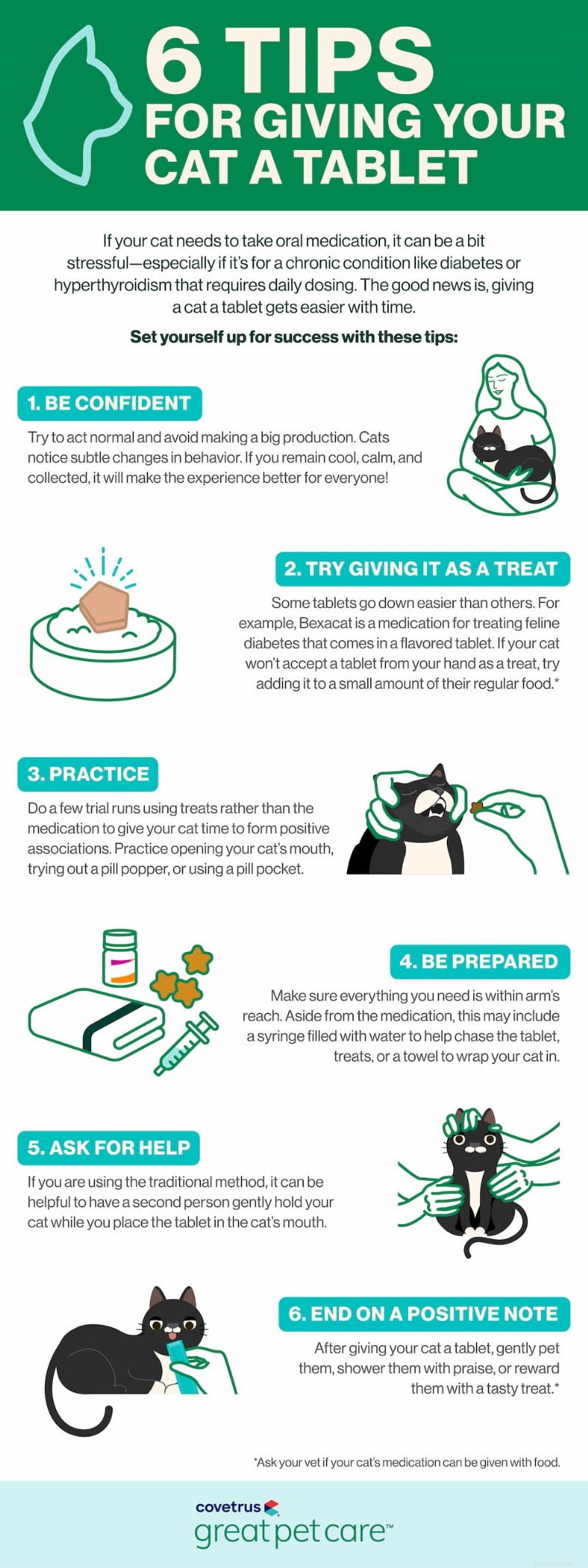
Administering oral medication can be challenging. Techniques include wrapping the tablet in a small amount of wet food, using a pill pocket, or employing a pill‑pusher. Consistency in timing and method helps prevent resistance and ensures accurate dosing.
Treating Diabetes in Cats Without Insulin: Tips and Advice

Once oral therapy is initiated, clinical improvement typically appears within 6–8 weeks. Signs of successful control include:
- Stable or appropriate body weight (avoid excess gain in obese cats)
- Normalized appetite, thirst, and urination
- Consistent energy levels and activity
If blood glucose remains uncontrolled or complications arise, prompt veterinary reevaluation is necessary. Common adverse reactions—vomiting, diarrhea, loss of appetite, weakness, lethargy, or increased drinking/urination—warrant immediate cessation of the medication and veterinary contact.
When oral medication fails, underlying factors such as dental disease or urinary tract infection should be addressed, as they can impede glucose control. In many cases, cats with obesity‑related type 2 diabetes achieve remission after weight loss, potentially eliminating the need for ongoing medication. Ongoing collaboration with a qualified veterinarian, vigilant monitoring, and lifestyle adjustments enable diabetic cats to live longer, healthier lives.
- Pet Behavior
- Pet Breeds
- Pet Names
- Pet Adoption
- Pet Training
- Cat Stories
- Pet Health
- Adorable Pets
- Cats
- Prosthetic Plastics: 14 Pets Thrive With Cutting-Edge Mobility Solutions
- Celebrating 15 Years: Copy Cat, the World’s First Cloned Cat, Lives Happily
- Rainy Day Dog Walking: Expert Tips & Best Practices
- Accurately Determining Your Conure’s Age: A Quick Guide
- Cat Tooth Loss Explained: Causes, Symptoms, and Care
- Pekingese Dog Breed Profile: History, Care, & Health
- 8 Clear Warning Signs Your Cat Is Overstimulated