

Understanding Cat Dementia: Symptoms, Causes, and Care Strategies
All featured products are chosen at the discretion of the GreatPetCare editorial team and do not reflect a direct endorsement by the author or reviewer.
Cats thrive on routine—predictable meals, familiar sleeping spots, and a consistent litter area. When they age, subtle shifts can occur: nighttime vocalizations, confusion, or soiling outside the box. These changes may signal the onset of cognitive dysfunction syndrome (CDS), commonly referred to as cat dementia.
While there is no cure, early recognition and tailored care can keep an older cat comfortable and engaged. Below we outline what vets and researchers say about the causes, signs, diagnosis, and management of this condition.
Can Cats Develop Dementia?
Yes—senility is a real and increasingly recognized issue in senior felines. CDS mirrors the cognitive decline seen in human dementia, with overlapping symptoms such as memory loss, altered behavior, and disorientation, according to Dr. Gabrielle Fadl, director of primary care at Bond Vet.
Studies show that 28% of cats aged 11–14 and 50% of those over 15 exhibit behaviors consistent with CDS. Though first described in the early 2000s, the condition has long been dismissed as mere “old age.”
Dr. Gary Landsberg, a pioneer in feline cognitive research, notes that while dogs were studied earlier (late 1980s–1990s), cats entered the field only a decade later, largely due to their role as models for human neurodegeneration.
Current consensus confirms CDS as a legitimate disease requiring specialized veterinary care.
What Triggers Cat Dementia?
Exact triggers remain unclear, but age‑related brain degeneration, chronic stress, and comorbid illnesses are believed to contribute. Research suggests these factors initiate a cascade that impairs neuronal function, leading to the behavioral changes seen in CDS.
Recognizing the Signs of Cat Dementia
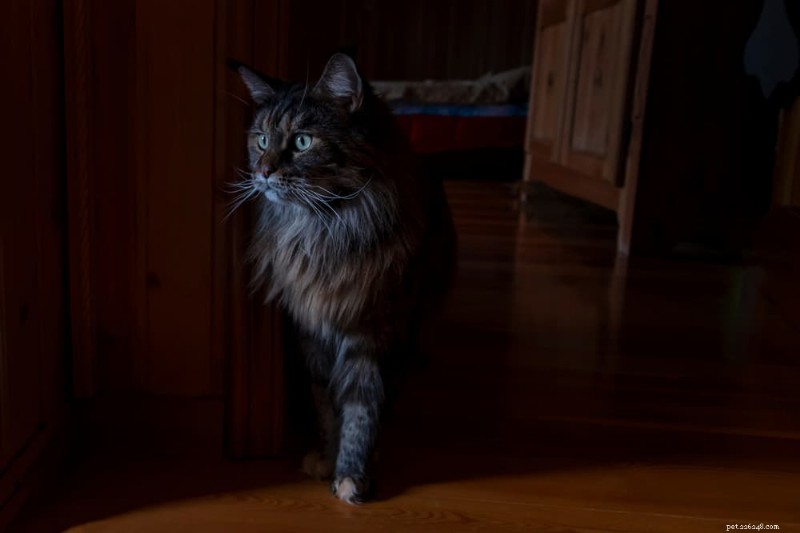
The VISHDAAL acronym summarizes the most common behavioral red flags: Vocalization, Interaction changes, Sleep‑wake cycle shifts, House‑soiling, Disorientation, Activity level changes, Anxiety, and Learning/memory deficits. For instance, a cat may wander into unfamiliar rooms, wake more frequently at night, or seem unresponsive to familiar cues.
Diagnosing Cat Dementia
CDS is a diagnosis of exclusion. Your veterinarian will first rule out reversible medical causes—hyperthyroidism, kidney disease, brain tumors, arthritis, sensory deficits, endocrine and metabolic disorders, cardiovascular or urinary issues, and medication side effects.
Behavioral testing, such as a response to pain medication, helps distinguish cognitive symptoms from discomfort or other medical conditions. A thorough environmental assessment also ensures that recent changes aren’t driving the behavior.
Treatment Options for Cat Dementia
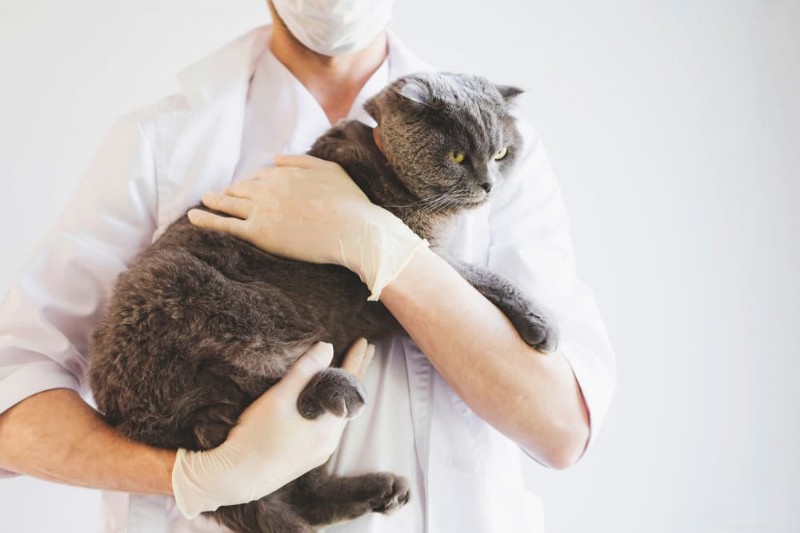
No FDA‑approved drugs exist for feline dementia, but veterinarians may prescribe off‑label options used in dogs, such as selegiline. Anxiety‑reducing medications like gabapentin or pregabalin can also alleviate irritability and sleep disturbances.
Dietary and supplemental approaches have shown promise. Antioxidant‑rich foods and omega‑3 fatty acids support neuronal health, while supplements such as S‑adenosyl‑methionine (SAMe) and Coenzyme Q10 are often added to the regimen.
Managing Cat Dementia at Home
Provide consistent mental and physical stimulation: food puzzles, interactive play, and regular affection. Simple environmental tweaks can also make a big difference:
- Use night lights to reduce confusion during dark hours.
- Place litter boxes in multiple accessible locations.
- Maintain routine to preserve a sense of familiarity.
- Re‑introduce the cat’s scent to new or rearranged spaces—rubbing a cloth on familiar surfaces helps.
- Offer smaller, frequent meals to create daily anticipation.
Adding a new pet to the household should be avoided, as it can increase stress and exacerbate cognitive symptoms.
When to Consider Euthanasia
Euthanasia is rarely prompted solely by CDS. More common indications are severe comorbidities such as end‑stage kidney disease or cancer. If a cat’s quality of life is markedly diminished and reversible treatments fail, the decision should be made in close collaboration with a veterinarian.
Preventing or Slowing Cat Dementia
While aging cannot be halted, early intervention can delay cognitive decline. Key strategies include:
- Regular veterinary check‑ups for early detection.
- Balanced nutrition rich in antioxidants.
- Consistent mental and physical activity to keep the brain engaged.
- Stress reduction through stable routines and a safe environment.
By combining medical care, environmental support, and enrichment, many senior cats maintain a high quality of life well into their later years.
References
- Landsberg GM, Denenberg S, Araujo JA. Cognitive Dysfunction in Cats: A Syndrome we Used to Dismiss as ‘Old Age.’ Journal of Feline Medicine and Surgery. 2010;12(11):837-848. doi:10.1016/j.jfms.2010.09.004
- Sordo L, Gunn‑Moore DA. Cognitive Dysfunction in Cats: Update on Neuropathological and Behavioural Changes Plus Clinical Management. Vet Rec. 2021 Jan;188(1):e3. doi: 10.1002/vetr.3. Epub 2021 Jan 12. PMID: 34651755.
- Pet Behavior
- Pet Breeds
- Pet Names
- Pet Adoption
- Pet Training
- Cat Stories
- Pet Health
- Adorable Pets
- Cats
- Are Eggs Safe for Parrots? Expert Guide to Feeding Parrot Eggs
- Effective Ways to Remove Cat Urine Stains and Odors
- Essential First Aid Guide: Save Your Dog’s Life in an Emergency
- Vet Explains Why Cats Love to Sleep on Your Clothes
- Decoding Your Cat’s Tail: A Guide to Understanding Their Body Language
- Master Clicker Training: A Positive Reinforcement Guide for Dogs
- Top 4 Scorpion Species Common in Las Vegas – Complete Guide with Photos