

What to Expect from Your Cat’s Chemotherapy: A Complete Guide
If your cat has been diagnosed with cancer, the news can be devastating. Deciding to start chemotherapy can feel overwhelming. This guide explains the process, costs, recovery, and how to keep your cat comfortable, so you can feel prepared and confident.
What is Chemotherapy?
In veterinary medicine, chemotherapy refers to drugs that specifically target malignant cells. When combined with surgery, radiation, or other modalities, these drugs can shrink tumors, halt or slow the spread of cancer, reduce inflammation, and relieve symptoms such as pain or nausea. Chemotherapy is most commonly used for cancers that are not amenable to surgery—such as lymphoma—or for metastatic disease.
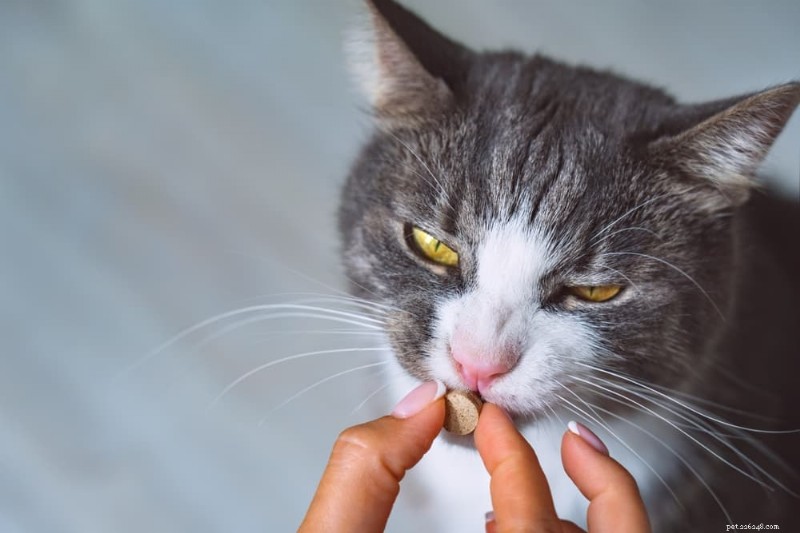
Depending on the situation, a single agent or a combination of agents may be used, and administration can be by injection, intravenous infusion, or oral pills. Compared with humans, cats typically experience fewer and milder side effects.
Step‑by‑Step Overview of Cat Chemotherapy
For a single injection or oral protocol, the veterinarian will administer the drug and provide detailed home‑care instructions. Intravenous therapy is more involved; the following steps outline the typical flow.
Step 1: Pre‑Treatment Appointment
Before therapy begins, your veterinarian will discuss the planned drugs, dosing schedule, expected duration, and all associated costs. This is your opportunity to ask questions and confirm the treatment plan.
Step 2: Treatment Preparation
On the day of treatment, staff will check your cat’s vitals—weight, temperature, heart rate, and respiratory rate. If everything is within normal limits, a technician will shave and sterilize the injection site, then place an intravenous catheter. Because chemotherapy can suppress bone marrow, a blood sample may be taken from the catheter to monitor cell counts. Your cat may also receive pre‑medication to reduce nausea or allergic reactions.
Step 3: Chemotherapy Infusion
Once the catheter is secured, the cat receives an IV infusion of fluids and the chemotherapy drugs. Infusions typically last 45 minutes to several hours. Most clinics allow owners to stay with their cat during the infusion.
Step 4: Post‑Treatment Care
After the infusion, the veterinarian or technician will review potential side effects—such as pain, nausea, or appetite loss—and schedule the next appointment if needed. This is the best time to clarify any home‑care questions.
Step 5: At‑Home Care
During chemotherapy, you can continue your normal routine with your cat. It is safe for most people to pet, hug, and kiss cats who are undergoing treatment, except for pregnant or nursing mothers who should avoid contact for 3 days after each session. If you are pregnant or nursing, let your veterinarian know.
Because chemotherapy drugs are excreted in urine and feces, use gloves for 3–5 days when cleaning the litter box. Cats in multi‑cat households can share boxes safely. Follow all handling instructions if you administer drugs at home.
Common Side Effects of Cat Chemotherapy

Chemotherapy targets rapidly dividing cells, which can lead to side effects. In cats, these are generally milder than in humans and can be managed with medication. The most frequent side effects include:
- Diarrhea
- Loss of appetite
- Drooling
- Excessive tiredness after treatment
- Bone marrow suppression
- Increased thirst and urination in cats treated with steroids
- Whisker thinning
- Shaved hair that grows back more slowly
Provide a quiet, warm place for your cat to rest. Additionally:
Monitor appetite. It is normal for appetite to dip the first day after treatment. If poor appetite lasts over 48 hours or vomiting occurs, contact your vet. Warm canned food or a splash of chicken broth can encourage eating.
Monitor the litter box. Watch for diarrhea or straining without output; report any concerns to your veterinarian.
Monitor energy level. Some lethargy is normal, but if it persists beyond 24 hours, consult your vet.
Monitor hydration. Keep fresh water available and ask your vet how to assess hydration status and temperature. Call your vet if you notice dehydration or fever.
Is Chemotherapy Worth It?
Choosing chemotherapy is a highly individualized decision. Key considerations include:
- Does the cancer type respond well to chemotherapy?
- Is the goal remission, slowing progression, or palliative care?
- What is the cat’s age, overall health, and projected quality of life?
- What are the financial implications?
Work with a veterinarian you trust and feel comfortable asking questions. If you’re unsure, a second opinion is always an option. Key questions to ask your provider include:
- Prognosis with and without chemotherapy
- Potential risks and side effects
- Alternative treatments available
- Availability of a local veterinary oncologist
- Complete cost breakdown, including follow‑up care
- What is in the best interest of your cat?
Cost of Cat Chemotherapy
Costs vary by treatment type and provider. Intravenous therapy is the most expensive option, and working with a board‑certified oncologist typically incurs higher fees. On average, chemotherapy for cats ranges from $1,000 to $5,000.
Success Rate of Cat Chemotherapy
Success depends on the cancer type, extent of spread, and overall health. Some cancers have excellent outcomes with chemotherapy; others may only experience slowed progression or improved comfort. Understanding these variables is essential before starting therapy.
Cats and Chemotherapy: Other Tips and Advice
Beyond medical care, emotional support is crucial. Joining a support community—whether online or in‑person—can help you navigate the journey. Services like CareCorrals offer a network of empathy and love for pet parents. If you feel overwhelmed, consider reaching out to a mental‑health professional or support group.
Remember, you’re not alone. With the right information, veterinary partnership, and support network, you can provide the best possible care for your cat during chemotherapy.
- Pet Behavior
- Pet Breeds
- Pet Names
- Pet Adoption
- Pet Training
- Cat Stories
- Pet Health
- Adorable Pets
- Cats
- 10 Essential Holiday Safety Tips for Your Cat
- English Water Spaniel – The Vanished Breed Once Master of Waterfowl Hunting
- Can Dogs Catch the Flu? What You Need to Know
- Boost Your Dog’s Brainpower: The Benefits of Puzzle Games
- Five Surprising Facts About Small Dog Breeds You Should Know
- Veteran Reunites With Retired Military Dog After Four-Year Separation
- Professional Guide: How to Brush Your Dog’s Teeth for Optimal Oral Health