

6 Urinary Tract Infection Signs in Cats That Require Immediate Veterinary Care
All featured products are chosen at the discretion of the GreatPetCare editorial team and do not reflect a direct endorsement by the author or reviewer.
A feline’s urinary tract—comprising kidneys, ureters, bladder, and urethra—regulates waste elimination and maintains fluid and electrolyte balance essential to cellular function.
These systems are susceptible to a range of painful conditions. To encompass the variety of disorders, veterinarians refer to them collectively as feline urinary syndrome (FUS) or feline lower urinary tract disease (FLUTD).
Urinary tract infections (UTIs) are a leading contributor to FUS. While UTIs frequently affect adult human females, Dr. Byron de la Navarre, chief of staff at Animal House of Chicago, notes, “The underlying infection is essentially the same in cats and humans, though clinical signs may differ.”
Distinguishing a UTI from other urinary issues—or unrelated behaviors—can be challenging. The following sections outline key UTI indicators and explain why prompt veterinary evaluation is critical.
Urinary Tract Infections in Cats: An Overview
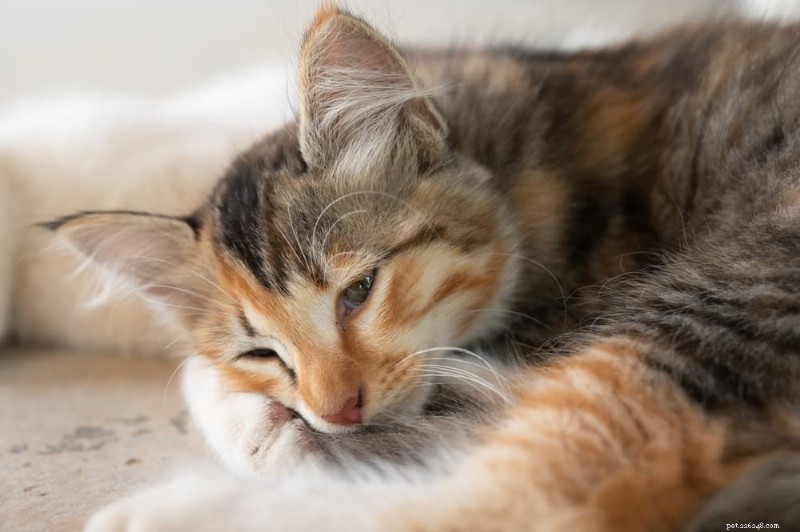
A UTI occurs when normally absent bacteria colonize the bladder, provoking inflammation and irritation, explains Dr. Victoria Guillen of Pleasant Care Pet Hospital & Cat Care Clinic, Cincinnati.
According to Dr. Guillen, females are at greater risk than males because of anatomical differences. Age also plays a role; older cats, who are more prone to kidney disease, experience changes in urine acidity and concentration that reduce the natural defense against infection.
While UTIs are uncommon in cats, a 2021 study in Topics in Companion Animal Medicine found that 39.3% of dogs and only 24.7% of cats had urine cultures positive for pathogenic bacteria.
Other FLUTD manifestations—cystitis, urinary crystals, or bladder stones—can produce similar signs. Managing these conditions often necessitates a multifaceted approach that includes medication, environmental modifications, and targeted nutrition.
Cat UTI Symptoms to Get Checked
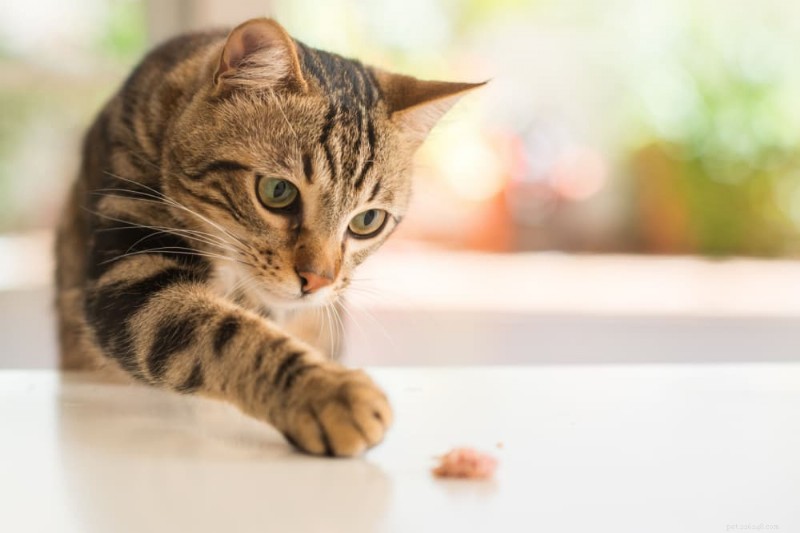
Recognizing a UTI early is vital; the following five signs warrant immediate veterinary attention.
Urinating in Inappropriate Places
A hallmark of urinary distress is inappropriate elimination. Cats are instinctively drawn to the litter box, so a sudden shift to urinating elsewhere is alarming.
“It can be hard to isolate the cause when a cat starts to avoid the litter box,” says Dr. de la Navarre. “Often a simple environmental change—like moving the box—can trigger the behavior. However, repeated incidents without a clear explanation may signal a urinary tract problem.”
Blood in Urine
Bloody or dark‑tinted urine is a red flag. Inflammation or irritation can alter urine color, so any visible blood should prompt a veterinary visit.
Increased Frequency in Urination

When bacteria inflame the bladder, cats often exhibit frequent, sometimes painful, attempts to urinate. A pattern of frequent voiding with little or no output is especially concerning and may indicate a blockage.
“A urinary blockage is a medical emergency that can rapidly lead to death if untreated,” cautions Dr. Guillen.
Increased Thirst
Polydipsia, or increased water intake, often accompanies UTIs as the cat attempts to flush out bacteria. It can also be a symptom of diabetes, chronic kidney disease, or hyperthyroidism, so a thorough diagnostic work‑up is essential.
Vocalizing or Straining While Urinating
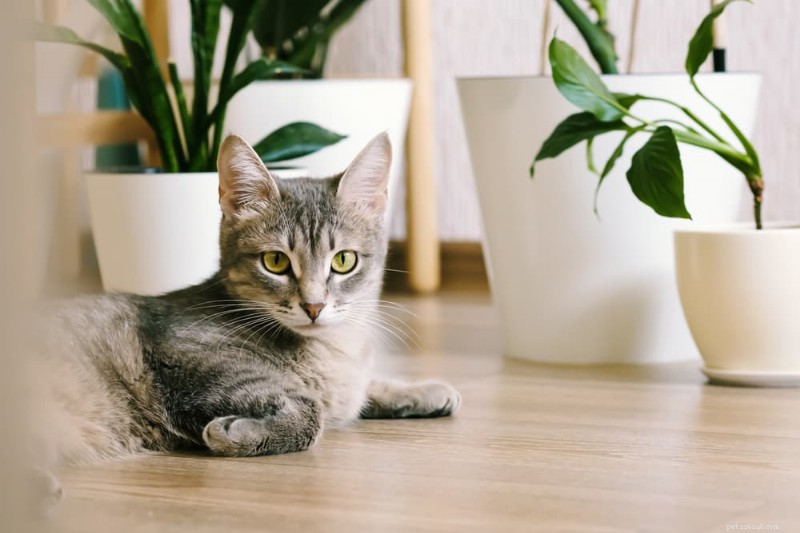
Utter vocalizations or visible straining during urination are classic signs of bladder irritation or a blockage. Stress‑induced cystitis can also present similarly.
“A therapeutic urinary diet can help reduce crystal formation and support bladder health,” notes Dr. Guillen. “Prescribed diets, such as Royal Canin® Urinary SO, are designed to produce dilute urine and lower the risk of stone formation when used under veterinary supervision.”
Royal Canin Urinary SO Dry for Cats

Royal Canin Urinary SO Can for Cats
Persistent vocalization or straining warrants immediate veterinary assessment. A blockage can cause kidney failure or bladder rupture, both potentially fatal.
Unusually Lethargic, Restless, or Standoffish Behavior
Behavioral changes—such as restlessness, lethargy, or withdrawn demeanor—can accompany urinary problems. Because cats often mask pain, any deviation from normal behavior that lasts more than a day should be discussed with a vet.
“A full medical evaluation is recommended before attributing changes to temperament alone,” advises Dr. Guillen.
Next Steps if You Suspect a Cat UTI
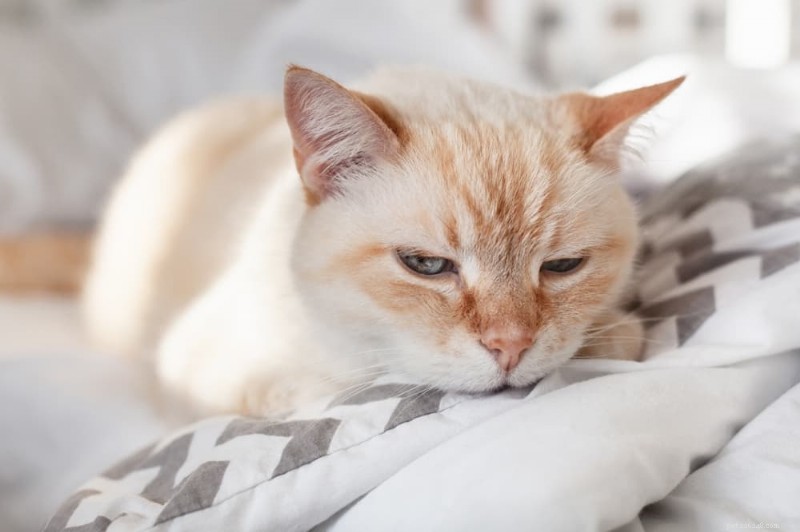
Contact your veterinarian promptly if you notice any UTI signs or suspect a blockage. Male cats with little or no urine output require immediate attention, as the condition can become life‑threatening within hours.
During an exam, the vet will collect a urine sample for culture or microscopy and may order abdominal imaging or blood work based on age, health status, and clinical presentation.
“If a true UTI is confirmed, antibiotics are typically prescribed,” says Dr. Guillen. “When stones are present, a prescription diet may dissolve them, but some stones require surgical removal.”
Prescription urinary diets like Royal Canin® Urinary SO promote a urinary environment that discourages crystal formation and can reduce recurrence risk when used long term.
Preventive strategies include ensuring ample clean water—preferably from a fountain—and maintaining the “plus one” rule for litter boxes: one box per cat, plus an extra.
Can Diet Help Manage Urinary Problems in Cats?
While antibiotics treat bacterial UTIs, nutrition plays a pivotal role in managing other urinary issues such as stones and crystals.
Royal Canin® Urinary SO is formulated to control urinary mineral content and produce more dilute urine, thereby creating a less hospitable environment for crystal and stone formation.
Royal Canin Urinary SO Dry for Cats
Royal Canin Urinary SO Can for Cats
Under veterinary guidance, these diets can lower the likelihood of recurrence for certain urinary disorders.
Your vet will assess whether a prescription urinary diet is appropriate based on your cat’s diagnosis, urine analysis, and overall health.
- Pet Behavior
- Pet Breeds
- Pet Names
- Pet Adoption
- Pet Training
- Cat Stories
- Pet Health
- Adorable Pets
- Cats
- Adele's Heartfelt Bond with Her Dogs Louie & Atilla
- Can Cats Safely Eat Almond Butter? Expert Insights & Health Considerations
- Are Apples Safe for Cats? Expert Guidance & Truth Revealed
- How to Stop Your Puppy from Biting and Nipping: Expert Tips for Gentle, Effective Training
- Discover the Most Uncommon Chihuahua Color Variants
- Can Spayed or Neutered Dogs Be Restored?
- Understanding Mastitis in Dogs: Causes, Symptoms, and Treatment