

Understanding Cat Lipomas: Causes, Symptoms, Diagnosis & Treatment
Touching a cat can lower stress for both you and your pet, but as they age, you might notice soft bumps that raise concerns—often the first thought is cancer. In reality, about 50 % of subcutaneous lumps in cats are benign. When a veterinarian confirms a lipoma, rest assured it’s usually harmless. Read on for a clear overview of what lipomas are, why they develop, and how to manage them.
What Are Lipomas in Cats?
Lipomas are benign tumors composed of fat cells (adipocytes) that do not spread to other parts of the body. While they are common in dogs, they are less frequently seen in cats. These tumors feel soft and slightly squishy, distinct from surrounding fat by a round capsule that contains the fat cells.
There are three primary types of lipomas to be aware of:
Simple lipomas. Small tumors that reside just beneath the skin’s surface. They are usually palpable on the trunk—sides, belly, or back—and sometimes on the legs. Rarely, they may appear inside the chest or abdomen.
Myelolipoma. A rare variant that contains both fat cells and hematopoietic cells—those that give rise to blood components, similar to bone marrow. These tumors are also benign.
Infiltrative lipoma. Extremely uncommon in cats, these tumors lack a clear capsule and instead infiltrate surrounding tissues. They most often affect the upper thigh muscles, causing the leg to appear swollen and the muscles to feel firmer than normal.
What Causes a Cat Lipoma?

There is no definitive cause for lipomas. The average age of cats diagnosed with a lipoma is 9.6 years. Domestic short‑haired cats are the most commonly affected breed, with Siamese cats potentially more predisposed.
While it seems logical that excess body fat might contribute to lipoma formation, current evidence does not firmly link a cat’s weight to the risk of developing a lipoma. Over half of pet cats in the U.S. are overweight or obese, and many lipoma cases involve overweight cats. A 2018 study on dogs found that overweight dogs were twice as likely to develop lipomas (1). More research is needed to clarify this relationship in cats.
Lipoma in Cats Symptoms
Most lipomas are asymptomatic. Large tumors can sometimes impede movement, but this is rare. When located inside the chest, symptoms may include labored breathing, rapid respiratory rate, reduced activity, and decreased appetite. Intra‑abdominal lipomas may cause vomiting and appetite loss. Rarely, a splenic myelolipoma can rupture, leading to sudden internal bleeding—manifested by rapid shallow breathing, abdominal distension, and collapse.
Infiltrative lipomas typically affect the back leg. As the tumor grows between muscles, it can alter gait, reduce jumping, and cause limping.
Cat Lipoma Diagnosis
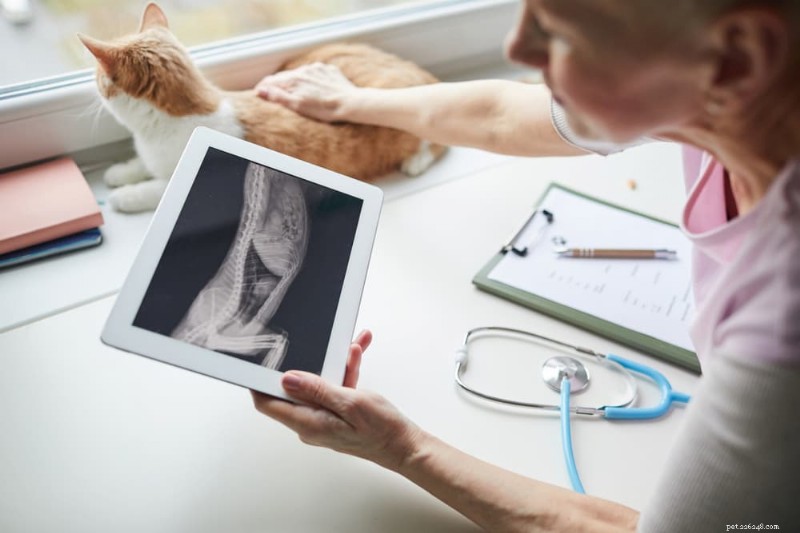
For simple lipomas, a veterinarian may perform a fine‑needle aspiration (FNA). The needle’s contents are examined under a microscope (cytology) to confirm the presence of fat cells. If the diagnosis remains uncertain, a surgical biopsy may be recommended. During this brief procedure, a small sample—or the entire tumor—is removed for histopathology, providing a definitive diagnosis. Needle aspiration is not sufficient for infiltrative lipomas; a surgical biopsy is required.
When lipomas are located in the chest or abdomen, imaging is essential. X‑rays can locate the mass, while ultrasound offers detailed assessment of its density and can guide needle sampling. A biopsy may also be pursued for abdominal tumors.
Treatment for Lipomas in Cats
Simple lipomas typically do not require intervention unless they grow large enough to interfere with movement or show ulceration. Owners should monitor for sudden size changes or skin breakdown; if these occur, a re‑evaluation is warranted. In rare cases, a lesion that appears benign may actually be another type of tumor.
Lipomas in the chest or abdomen can often be monitored, but surgical removal becomes necessary if the cat exhibits symptoms. Infiltrative lipomas demand treatment: pain medication helps manage discomfort, and surgical excision is the preferred option, though it can be technically challenging due to the tumor’s invasion into surrounding tissues. Chemotherapy and radiation have not been routinely employed for feline lipomas.
Cost to Treat Lipomas in Cats
Routine cytology (FNA) costs between $50 and $200, and usually no treatment follows. Surgical removal of an abdominal lipoma can range from $1,500 to $5,000, depending on the procedure’s complexity and post‑operative care. Excision of infiltrative lipomas typically falls within a similar cost range, contingent on tumor size and extent.
How to Prevent a Cat Lipoma

There is no proven preventive measure for lipomas. While maintaining a healthy weight may help, definitive evidence is lacking. Avoid free‑feeding; measure portions daily. Encourage regular play with a variety of toys, and aim for at least two active sessions per day. Have your veterinarian assess your cat’s weight; if overweight, follow a tailored diet plan for safe weight loss.
References
- O’Neill DG, Corah CH, Church DB, Brodbelt DC, Rutherford L. Lipoma in dogs under primary veterinary care in the UK: prevalence and breed associations. Canine Genet Epidemiol. 2018;5:9. Published 2018 Sep 27. doi:10.1186/s40575-018-0065-9
- Pet Behavior
- Pet Breeds
- Pet Names
- Pet Adoption
- Pet Training
- Cat Stories
- Pet Health
- Adorable Pets
- Cats
- Azawakh: A Professional Guide to the Elegant West African Sighthound
- 6 Expert Tips for Safely Preparing Homemade Dog Food
- Why Your Cat Is Avoiding the Litter Box — Proven Solutions to Restore Cleanliness
- How to Safely Splint Your Dog’s Shoulder: A Step-by-Step Guide
- Gastroenteritis in Dogs: Symptoms, Diagnosis, and Care
- Understanding Femoral Pores in Reptiles: Identification, Function, and Care
- How Pet Air Purifiers Reduce Dander and Allergy Symptoms for Cat and Dog Owners