

Recognizing and Treating Dental Disease in Cats: 6 Key Signs & Effective Care
Dental disease is a common problem in cats, affecting 50–90 % of cats older than four years [1]. Early stages such as gingivitis can be reversed with proper care and a professional cleaning, while advanced decay often requires extraction to relieve pain and inflammation.
Poor oral health can compromise a cat’s overall wellbeing, leading to secondary conditions like heart, liver, and kidney disease. Routine veterinary visits and proactive home care can dramatically reduce the risk of dental problems and keep your feline’s mouth clean and comfortable.
What Do Healthy Cat Teeth Look Like?
Healthy feline teeth are bright white with minimal plaque, and the gums are a pale pink, free of swelling or bleeding. Breath should be neutral, not pungent.
When dental disease is present, teeth appear yellow or gray and are covered with thick tartar. Gums become bright red, inflamed, and may bleed. Bad breath is a common sign.
Six Signs Your Cat May Have Dental Disease
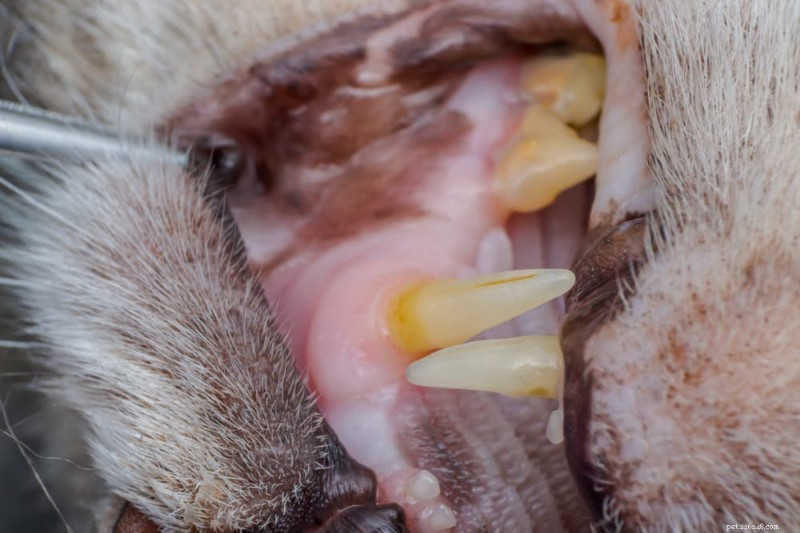
Watch for these indicators that your cat may be suffering from oral disease:
Bad breath – persistent, foul odor indicates inflammation and bacterial buildup.
Food falling out of the mouth – pain during chewing can cause food to slip from the affected side.
Reduced appetite or food refusal – a cat may skip meals or switch to softer food to avoid pain, potentially leading to weight loss.
Facial rubbing or pawing – repeated rubbing or pawing at the mouth area is a classic sign of oral discomfort.
Excessive drooling – saliva may pool around the lips or on the floor; it can sometimes be tinged with blood.
Loose or missing teeth – a tooth that wobbles or is found on the floor is a red flag for periodontal disease.
Because many signs are subtle, regular veterinary examinations can catch problems early.
What Causes Dental Disease in Cats?
Dental disease can stem from several factors:
- Infrequent veterinary care – without early detection, plaque and tartar can progress rapidly.
- Genetic predisposition – some breeds are more prone to periodontal disease.
- Underlying health conditions – infections like FeLV, FIV, kidney disease, and diabetes increase plaque accumulation [1].
- Age – plaque and tartar accumulate over time if not removed.
Why Dental Disease Matters
Untreated dental problems can severely diminish a cat’s quality of life. Painful chewing can cause weight loss, while bacteria from the mouth can travel to the heart, liver, and kidneys, potentially leading to systemic disease.
Steps to Take If Your Cat Shows Signs of Dental Disease
Schedule a veterinary visit promptly. Your vet will conduct a thorough oral exam, often complemented by dental X‑rays, to determine the extent of the disease.
During a professional cleaning, plaque and tartar are removed under general anesthesia. If a tooth is too damaged, it may be extracted. Post‑procedure, antibiotics and anti‑inflammatories help prevent infection and swelling.
Cats who lose many teeth may need to transition from dry kibble to a wet diet to maintain proper chewing function.
Preventing Dental Disease in Cats

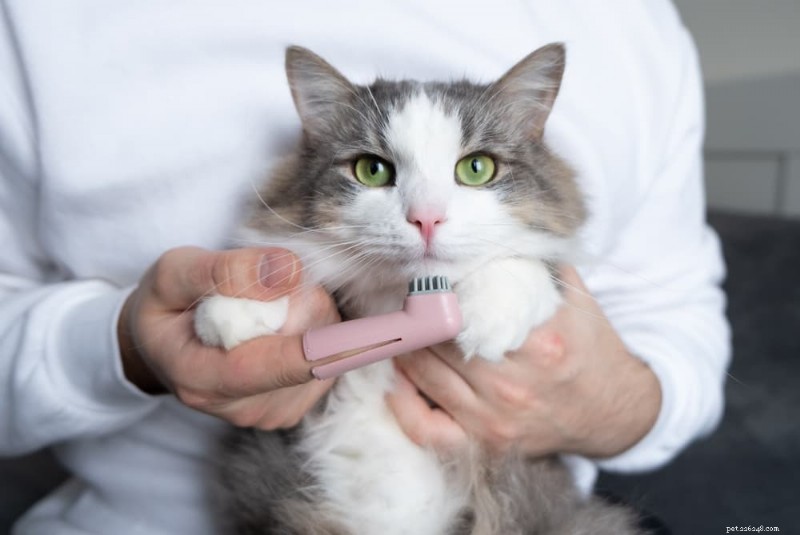
Daily tooth brushing with a cat‑specific toothbrush and toothpaste is the most effective home measure. Dental treats and certain kibble formulas can also reduce plaque buildup.
Switching from a solely wet diet to a dry or dental‑focused kibble can mechanically scrape the teeth while eating. Your veterinarian can recommend specific diets tailored to your cat’s needs.
If dental issues are linked to underlying diseases such as FeLV or FIV, managing those conditions is crucial. Your vet will develop a comprehensive treatment plan that addresses both systemic and oral health.
Annual or bi‑annual check‑ups and yearly professional cleanings are essential to catch disease early and keep your cat’s mouth healthy.
- Pet Behavior
- Pet Breeds
- Pet Names
- Pet Adoption
- Pet Training
- Cat Stories
- Pet Health
- Adorable Pets
- Cats
- Miniature Donkeys as Pets: Space, Care, and Cost Considerations
- 15 Surprising Facts About the Beagle You Need to Know
- Spring Pet Grooming Essentials: Keep Your Furry Friends Clean and Healthy
- How Well Do Dogs See at Night? Exploring Their Exceptional Dark‑Vision
- Bullwhip – Bulldog & Whippet Hybrid for Active Families
- Choosing the Right CBD Supplement for Your Dog: A Professional Guide
- How to Neatly Trim Your Horse’s Tail for Health and Presentation