

Why Cats Drool: Common Causes, Red Flags, and Prevention
While dogs often grab headlines for slobbering, cats can also produce excess saliva. Understanding why is crucial for early detection of health issues.
Do Cats Drool?

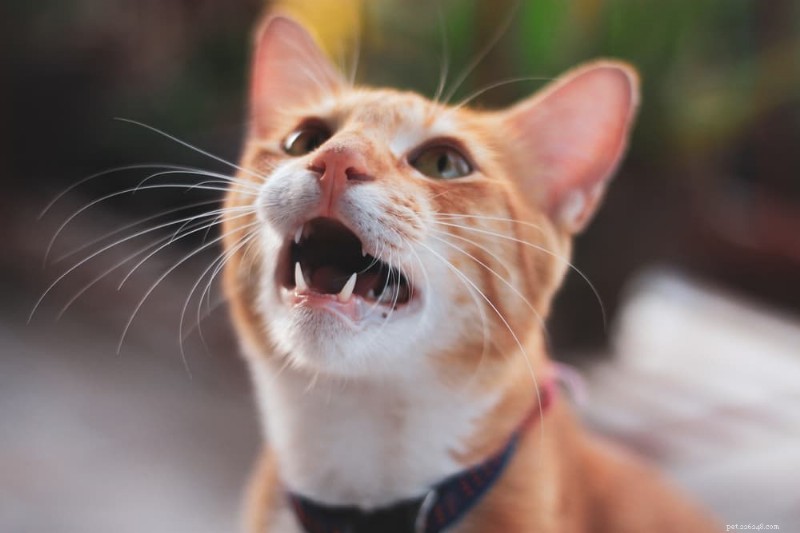
All cats produce saliva, which lubricates food and aids digestion. When saliva accumulates beyond normal levels, it becomes visible drool. Most cats will occasionally drool without any health concern, but persistent or heavy drooling usually signals an underlying problem.
Why Cats Drool
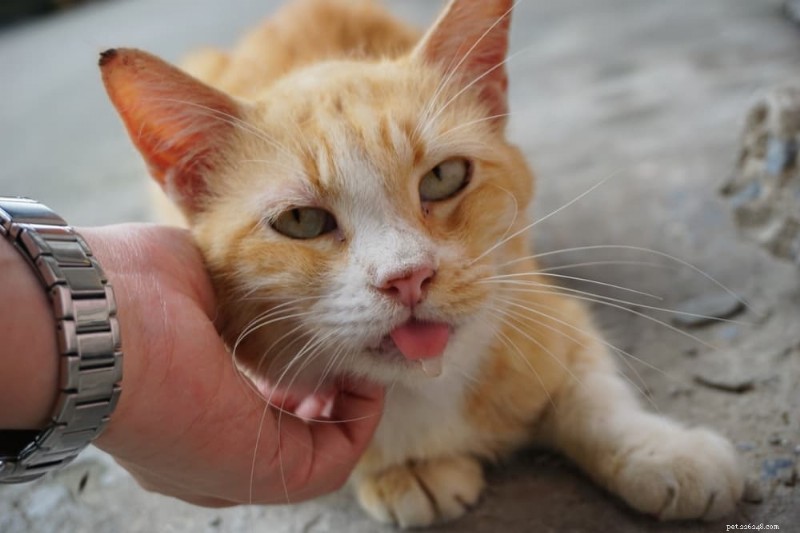
Occasional drooling can stem from relaxation or the enticing scent of food. However, frequent or excessive drooling is often a warning sign. Common culprits include:
Periodontal Disease
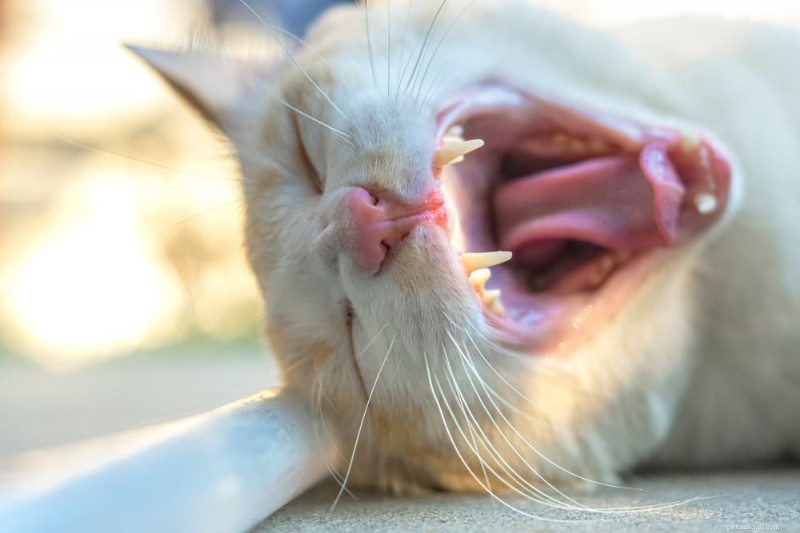
Advanced gum disease causes pain and forces saliva to leak out of the mouth.
Feline Odontoclastic Resorptive Lesions (FORL)
FORL is a cat‑specific dental condition where teeth are resorbed, leading to significant pain and early drooling.
Oral Pain
Trauma, infection, or foreign bodies in the mouth can trigger drooling as a reflex to relieve discomfort.
Toxins
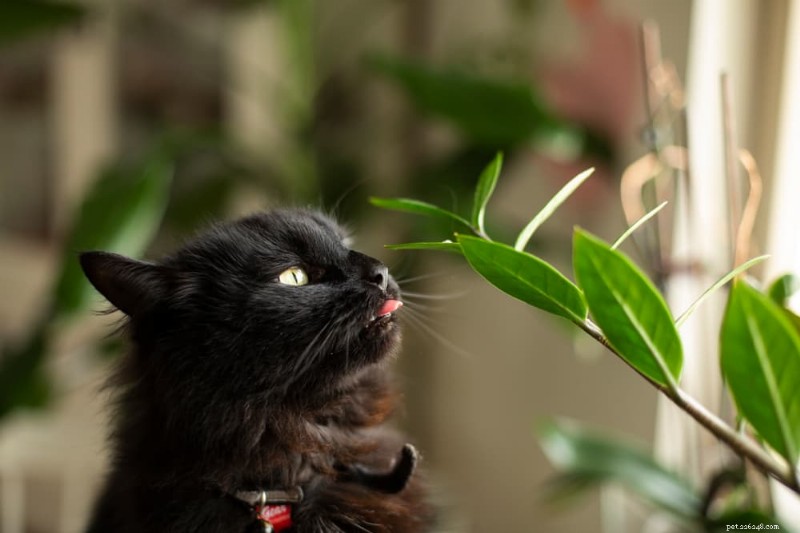
Ingestion of poisonous plants (e.g., poinsettia) induces drooling as the body attempts to expel toxins.
Nausea
Stomach upset often accompanies drooling in cats experiencing nausea.
Kidney Disease
Chronic kidney disease leads to uremia, which can cause painful oral ulcers and foul‑smelling drool.
Medications
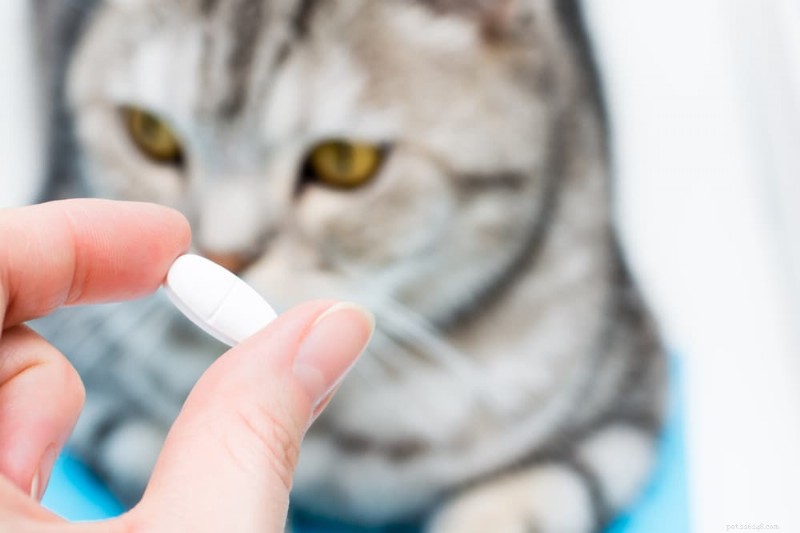
Certain antibiotics and other drugs may provoke drooling as a side effect.
Nerve Damage
Rarely, cranial nerve injury can impair jaw closure, resulting in persistent drool.
When to Worry About Excessive Drooling
Minor drool before meals or during petting is usually harmless. Alert signs that require veterinary attention include:
- Lethargy, loss of appetite, or weight loss
- Visible oral discomfort or difficulty chewing
- Bad breath or foul‑smelling saliva
- Blood‑tinged or persistent drool
- Changes in eating habits
Prompt veterinary care can prevent complications and resolve the underlying cause.
Diagnosing the Cause of Cat Drooling
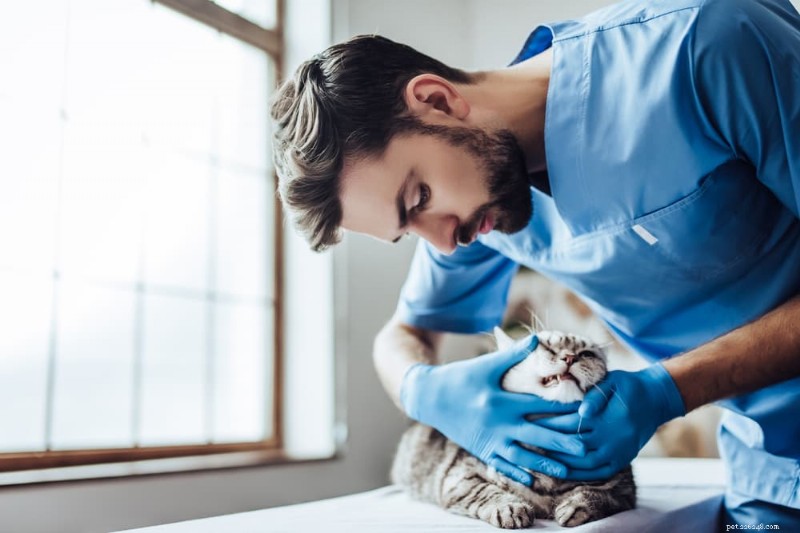
Veterinarians conduct a thorough history and physical exam, often focusing on:
- Appearance and frequency of drool
- Timeline of onset and associated behavioral changes
Oral examination, sometimes under sedation, looks for dental disease, lesions, or foreign bodies. Systemic disease may be assessed with bloodwork, and dental X‑rays can reveal hidden trauma or decay.
Treatment Options
Treatment targets the root cause—whether it’s dental therapy, medication adjustment, toxin removal, or systemic disease management. Once the underlying issue is addressed, drooling typically subsides.
Can I Prevent Cat Drool?
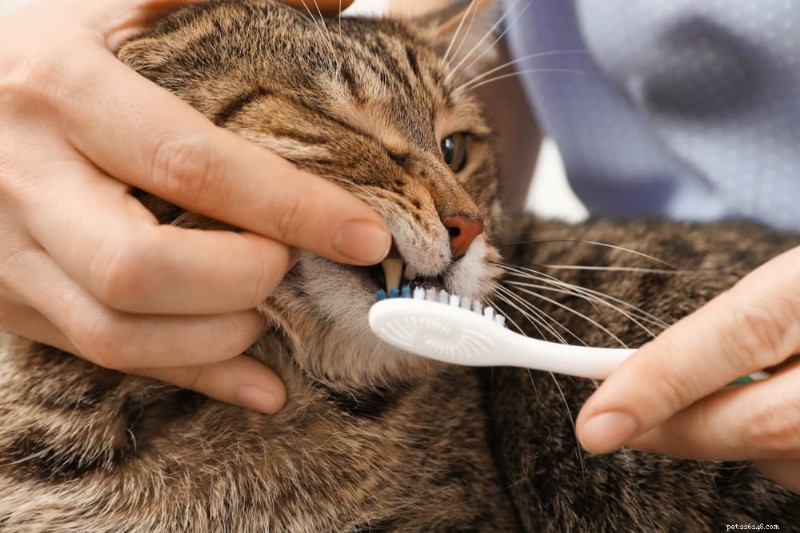
While drooling can’t be entirely eliminated, proactive oral care can reduce risk:
- Regular toothbrushing—at least several times a week—to remove plaque and tartar.
- Annual dental cleanings—performed under anesthesia—to detect and treat disease early.
- Consistent wellness visits—to catch systemic illnesses before they manifest as oral symptoms.
Early detection and treatment are key to keeping your cat’s mouth healthy and drool at bay.
- Pet Behavior
- Pet Breeds
- Pet Names
- Pet Adoption
- Pet Training
- Cat Stories
- Pet Health
- Adorable Pets
- Cats
- How to Show Your Dog Love: Proven Strategies for a Strong Bond
- Heartwarming Beagle and Cat Siblings Snuggle Like Soulmates in Viral TikTok
- Why Cats Dislike Citrus: Insights from Veterinary Nurse Helen Crofts
- The Ultimate Guide to Orthopedic Dog Beds for Large Breeds
- Blue-Crowned Conure (Sharp‑Tailed Conure): Comprehensive Bird Profile & Care Guide
- Is It Safe to Let Your Bengal Cat Outside Without a Shelter? Expert Guidance & Risks
- Meet Tasha: A Ragdoll Rescue Story of Love and New Beginnings