

Why Is My Cat Shedding Excessively? Causes, Symptoms, and Management Tips
Cats are consummate groomers, dedicating hours each day to keep their coats clean and healthy.
Despite their meticulous grooming, shedding is a natural part of a cat’s life, discarding old hair to make room for new growth. Excessive shedding, however, may signal underlying behavioral or health issues.
If your feline is shedding more than usual and you’re unsure why, you’re in the right place. Below, we break down the science of cat shedding and practical steps to manage it.
Do Cats Shed?
Absolutely. Shedding is a normal part of a cat’s hair cycle, preventing matting and maintaining coat health.
Several factors influence how much a cat sheds:
- Breed characteristics
- Seasonal changes
- Overall health status
- Coat type (long vs. short)
- Indoor vs. outdoor lifestyle
- Stress levels
Long‑haired breeds such as Maine Coons and Persians shed more readily, as do Russian Blues and American Shorthairs.
When it comes to comparing cats with dogs, shedding varies by breed and individual circumstances. Some cats may shed more than certain dogs, and vice versa.
Do Kittens Shed?
Kittens shed, but the process is subtle until they mature. At adulthood, a kitten replaces its soft coat with a more robust adult coat.
Understanding Cat Shedding Season
Indoor cats shed throughout the year because they’re insulated from outdoor temperature shifts. Outdoor cats, however, typically molt twice a year—spring to shed the winter coat and fall to shed the lighter spring coat and prepare for winter.
Why Is My Cat Shedding So Much?
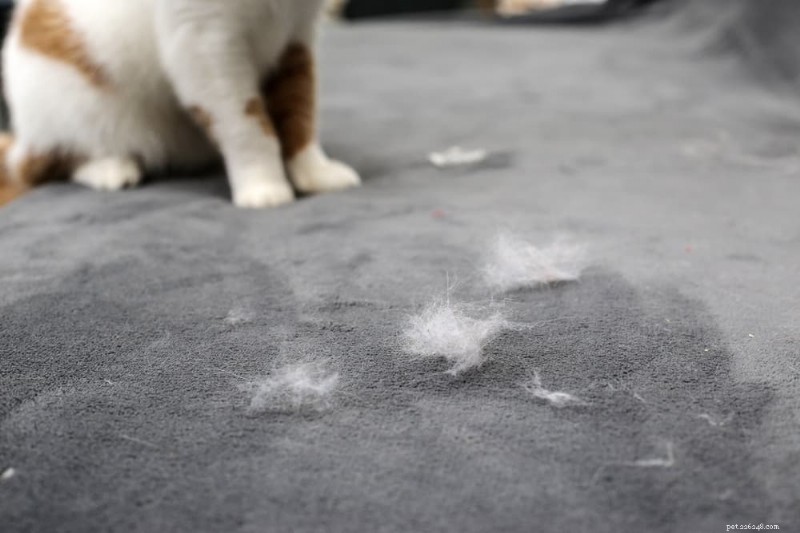
While shedding is normal, a sudden increase often points to an underlying issue. If you notice your cat losing hair faster than usual, a veterinary evaluation is essential.
A thorough history, physical exam, and diagnostic tests such as bloodwork can pinpoint the cause of excessive shedding.
Common culprits include:
Allergies
Skin, food, and environmental allergies can make your cat itch. Scratching damages hair follicles, accelerating hair loss.
Skin Infections
Bacterial or fungal infections can cause rashes and itching, ultimately leading to increased shedding.
Metabolic Disorders
Conditions like hyperthyroidism and kidney disease disrupt metabolism and the hair growth cycle.
External Parasites
Fleas and mites are common irritants. Even though fleas are more frequent in dogs, they can be a problem for cats, provoking intense scratching.
Stress
Moving, new pets, or resource competition can trigger stress‑related overgrooming, known as psychogenic alopecia.
Poor Nutrition
A diet lacking essential nutrients can compromise coat quality, making hair more prone to shedding.
Age
Older cats may struggle with grooming, leading to matting and heightened shedding.
How to Reduce Cat Shedding
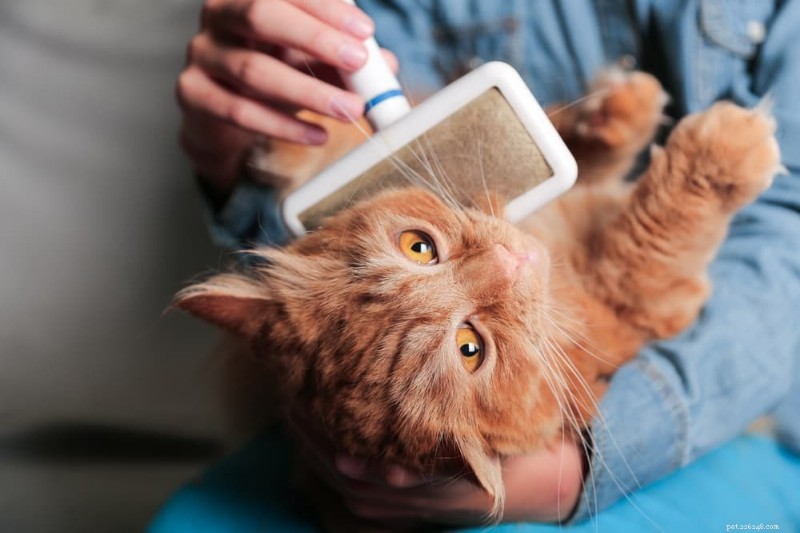
Shedding cannot be stopped entirely, but you can minimize it. Excess hair ingested by cats can form large hairballs, posing a risk of intestinal blockage.
Once your vet identifies the root cause, they’ll recommend a tailored plan. Key strategies include:
Treat underlying health conditions. Managing conditions like kidney disease or hyperthyroidism with medication and diet adjustments can curb shedding.
Alleviate stress. Enrich the environment with toys, scratchers, and cat trees. In multi‑cat households, ensure ample resources to reduce territorial tension.
Upgrade the diet. Feed a high‑quality, protein‑rich cat food. Consult your veterinarian for specific recommendations.
Daily grooming—brushes, deshedding gloves, or a slicker brush—keeps the coat healthy and reduces loose hair.
Cat Shedding FAQs
Below are answers to the most common questions about cat shedding.
Do all cats shed?
Yes. Shedding removes old hair and allows new, healthy hair to grow.
When do cats shed the most?
Indoor cats shed year‑round. Outdoor cats experience peak shedding in spring and fall.
Do long‑haired cats shed more?
Long‑haired breeds, like Maine Coons and Persians, shed more than short‑haired breeds. American Shorthairs also shed moderately.
Do cats shed more than dogs?
Not necessarily. Shedding depends on breed and individual factors. A long‑haired dog might out‑shed a short‑haired cat, and vice versa.
Do cats shed more when stressed?
Yes. Stress can trigger psychogenic alopecia, causing excessive grooming and hair loss.
How to Reduce Cat Hair in Your Home
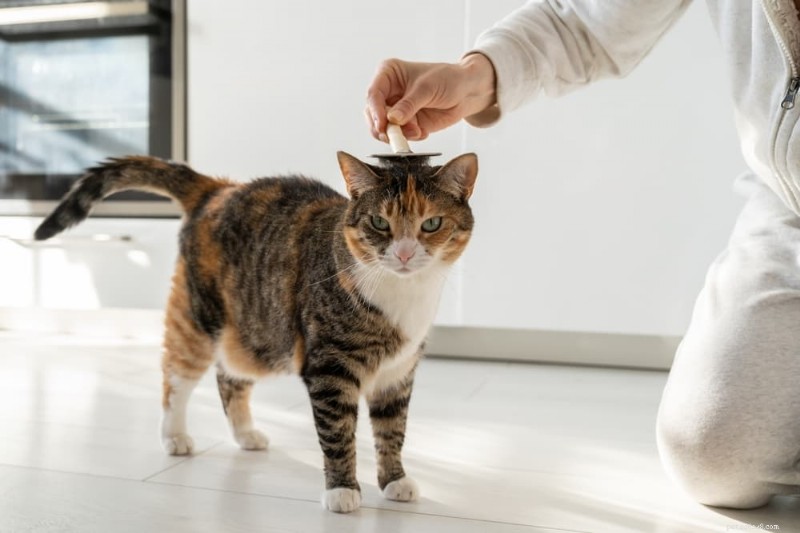
Managing hair in the house is easier than you think. Consider these tactics:
Use a pet‑hair‑optimized vacuum. Follow the manufacturer’s maintenance guide to keep it effective.
Remove hair from upholstery and clothing. A dedicated brush or lint roller can quickly clear fabric and furnishings.
Clean with specialized mops. Wet or dry mops designed for pet hair are more efficient than a standard broom.
Dust regularly. Frequent dusting removes hair from surfaces like coffee tables, desks, and counters.
Putting It All Together
Understanding normal shedding patterns helps you spot abnormal shedding early. By collaborating with your veterinarian, you can identify the cause and implement an effective plan to keep your cat healthy and your home hair‑free.
- Pet Behavior
- Pet Breeds
- Pet Names
- Pet Adoption
- Pet Training
- Cat Stories
- Pet Health
- Adorable Pets
- Cats
- Mastering Reliable Recall: Proven Techniques to Teach Your Dog to Respond Instantly
- Effective Strategies to Calm Your Pet’s Anxiety
- The Dangers of Mislabeling Your Pet as a Service Dog
- Why Cat Whiskers Matter: Science, Health, and Myths Explained
- Do Dogs Need to Reproduce? Understanding the Impact of Spaying and Neutering
- Are Snails Ideal Pets? Benefits, Care, and How They Enrich Your Terrarium
- Choosing the Right Diet for Your Blue‑Nose Pit Bull: Nutrition Tips & Recommendations