

The Complete Guide to Catnip: Uses, Benefits, and Safety for Cats
While countless videos showcase cats rolling, purring, and frolicking on catnip, many pet owners wonder what makes this plant so captivating. Is it safe? Does every cat respond? And what keeps scientists intrigued? This guide answers those questions and more.
What Is Catnip?
Catnip, scientifically known as Nepeta cataria, is a perennial herb in the mint family. It grows across temperate regions of North America, Europe, Asia, and New Zealand, and can be cultivated easily in gardens or pots. The drought‑tolerant plant reaches up to three feet tall, blooms from late spring through autumn, and features square stems, lavender flowers, and light‑green to gray‑green foliage.
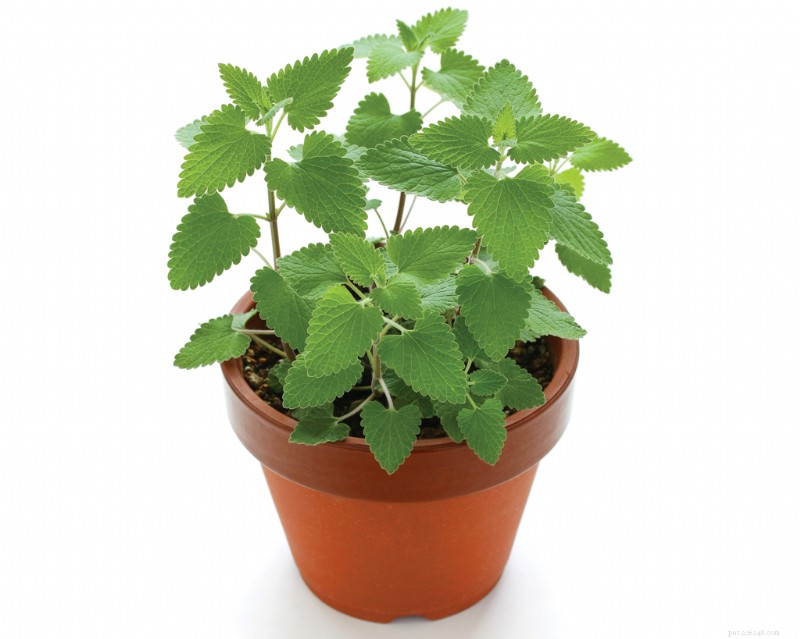
oysy/Bigstock
What Causes Catnip’s Effect on Cats?
The behavior that cats exhibit after smelling catnip is triggered by an iridoid compound called nepetalactone. “When cats smell catnip, nepetalactone binds to receptors in their nasal tissue and stimulates sensory neurons that trigger a response in the brain—particularly the amygdala and hypothalamus, which control emotion and behaviour,” explains Nita Vasudevan, a veterinarian at Embrace Pet Insurance who is based in Orlando, FL. This interaction causes rolling, rubbing, vocalizing, and bursts of energy that last about ten to fifteen minutes.
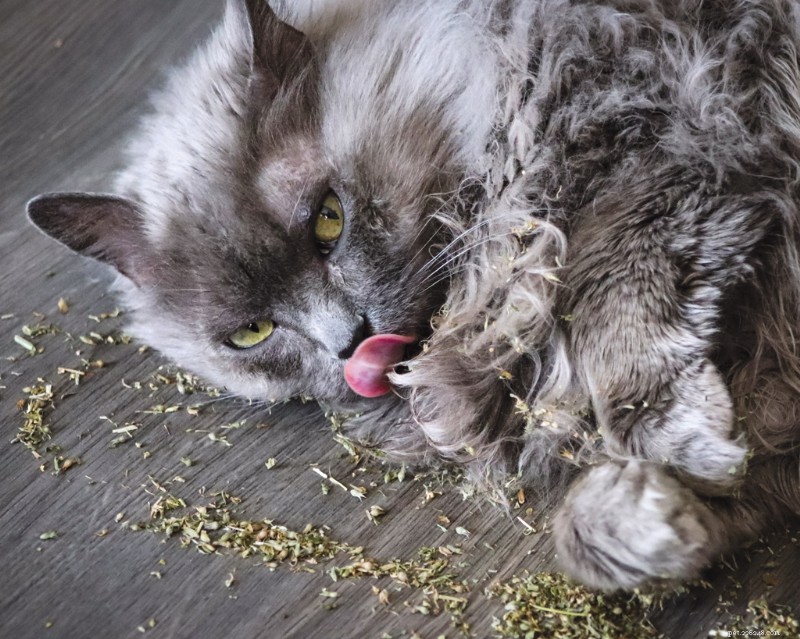
Kym MacKinnon/Shutterstock
Beyond the viral antics, nepetalactone also has mosquito‑repelling properties. “It has been shown to deter mosquitoes, which can carry heartworm and disrupt a cat’s hunting focus,” says Dr. Mikel Maria Delgado, a scientist and cat behaviour expert at Feline Minds in Sacramento, CA. When a cat rubs against catnip, the plant’s oils coat its coat, providing a natural insect shield.
A study published in Science Advances in January 2021 demonstrated that rubbing with catnip or silvervine—an alternative plant—offers chemical protection against mosquito bites. Subsequent research has documented similar repellency against flies, termites, cockroaches, ticks, and mites.
Are All Cats Affected by Catnip?
Not every feline reacts to catnip. Genetic testing shows that roughly thirty to fifty percent of cats have little to no response. Josh Wiesenfeld, a pet expert in Santa Monica, CA and founder of Boxiecat, explains that sensitivity follows an autosomal dominant pattern, meaning a kitten only needs one copy of the “catnip gene” to respond.
Large felids are not exempt either. Staff at the Big Cat Rescue Centre in Arkansas report that most of their tigers, lions, mountain lions, lynx, and bobcats experience a euphoric reaction to weekly catnip treats. Visit bigcatrescue.org to see videos of these majestic animals rolling in delight.
Young kittens typically do not react until they are between three and six months old, and some senior cats may also show no response. “If a cat doesn’t respond, it’s not a concern—it simply lacks the genetic sensitivity or is in a non‑responsive life stage,” says Wiesenfeld.
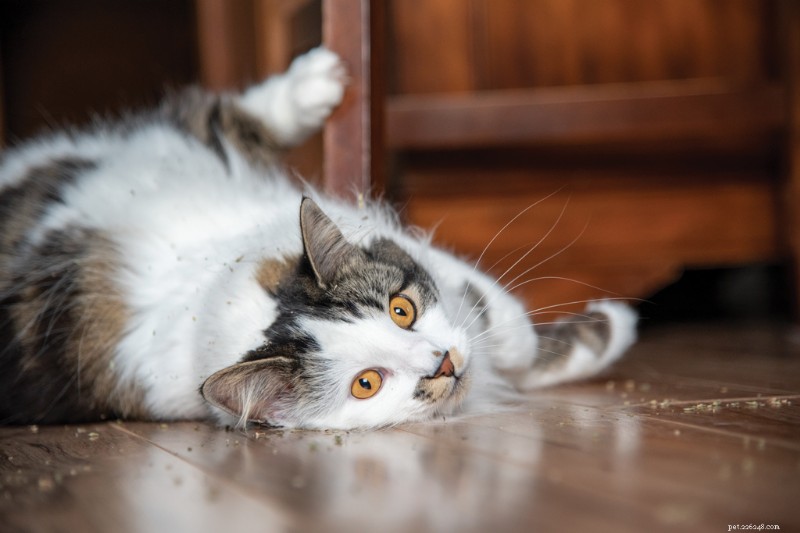
Scalia Media/Shutterstock
Are Other Animals or Humans Affected by Catnip?
The effects on humans are unclear. Historically, catnip tea has been used to aid digestion, ease congestion, soothe anxiety, and promote sleep, but scientific evidence is lacking. Some people have tried smoking it, though it typically induces drowsiness rather than stimulation.
Dogs, however, experience a mild sedative effect when they ingest catnip, while most other animals show no reaction.
How Long Do the Effects of Catnip Last?
The euphoria lasts roughly ten to fifteen minutes, after which cats enter a refractory period during which they are temporarily immune to its influence. This reset phase typically lasts about thirty minutes, preventing overstimulation.
Using catnip too frequently can diminish a cat’s response over time. “I recommend giving it as a treat, once or twice a day at most,” says Stephen Quandt, a cat behaviour specialist in New York City.
Is Catnip Beneficial?
For cats that possess the “catnip gene,” the herb can induce euphoria, playfulness, or a calm relaxation, depending on the individual. Aimee Warner, a veterinarian in London for UK pet‑insurance company Waggel, recommends incorporating catnip into enrichment strategies: sprinkle it on scratching posts, toys, or refillable pouches to encourage play and exercise.
Because catnip makes new objects more appealing, it can help reduce boredom and encourage exploration. It’s also useful in shelters to alleviate stress and promote natural activity in anxious or depressed cats.
Yeowww’s Mo Betta Fish cat toy comes stuffed with organically grown catnip to bring playtime to new heights. Crinkle fabric adds to the fun. ($8, yeowww.com)
Is Catnip Safe?
Although the high‑energy display may resemble a drug‑induced state, catnip is natural, non‑toxic, and free from long‑term side effects. It is not addictive in a clinical sense; cats do not develop dependence or withdrawal. However, some cats may display a learned preference for it.
First‑time use should be supervised, as intense stimulation can lead to temporary aggression or overstimulation. Joey Lusvardi, a cat behaviour consultant at Class Act Cats in Minneapolis, MN, advises that if a cat shows aggression, a professional should be consulted before using catnip.
While cats cannot overdose in a toxicological sense, consuming large quantities—such as chewing through a sachet—can cause mild gastrointestinal upset like vomiting or diarrhea. These effects are temporary. Storing catnip in a sturdy, airtight container keeps it out of reach of curious pets.
Warner cautions against using catnip with cats that have a history of seizures or other neurological conditions.
This article originally appeared in the award‑winning Modern Cat magazine. Subscribe today!
- Pet Behavior
- Pet Breeds
- Pet Names
- Pet Adoption
- Pet Training
- Cat Stories
- Pet Health
- Adorable Pets
- Cats
- Master Border Collie Training: Expert Tips for Smart & Disciplined Dogs
- Vet-Approved Homemade Dog Food Recipes for a Healthy Pup
- Is Your Cat Feeling Lonely? 7 Key Indicators You Shouldn't Ignore
- Understanding Mucus in Your Cat’s Stool: Causes, Concerns, and When to Seek Veterinary Care
- 40 Expert Tips to Create a Dog-Friendly Backyard Paradise
- What Is a Sploot? The Science Behind Why Cats & Dogs Stretch Out on Their Bellies
- Top Verified Corn Snake Breeders in the U.S., U.K., Canada & Australia – 2022