

Mastering Litter Box Use: Expert Tips for Seamless Cat House Training
One of the most understated marvels of feline behavior is their innate ability to use a litter box. Unlike dogs, which often require weeks or months of training, most cats arrive in a new home already knowing where and how to relieve themselves. This instinct has been a cornerstone of the cat’s success as a companion animal for millennia.
Why Cats Are Naturally Easy to House‑Train
Domesticated animals must coexist with humans without creating daily chaos, danger, or excessive mess. Cats meet this criterion effortlessly. Their instinct to dig in soft, loose material and cover their waste eliminates the need for external training or constant supervision. The behavior evolved in the wild as a way to mask scent trails from predators and rivals—an instinct that indoor living simply preserves.
Instinct‑Driven Litter Box Use and the Role of Human Support
While the behavior is hard‑wired, your environment can either facilitate or frustrate it. Proper box selection, litter type, and maintenance are the key factors that support your cat’s natural habits.

—Andrey_Kuzmin/Bigstock
Proven Practices for Litter‑Box Success
Choose the Right Box and Litter
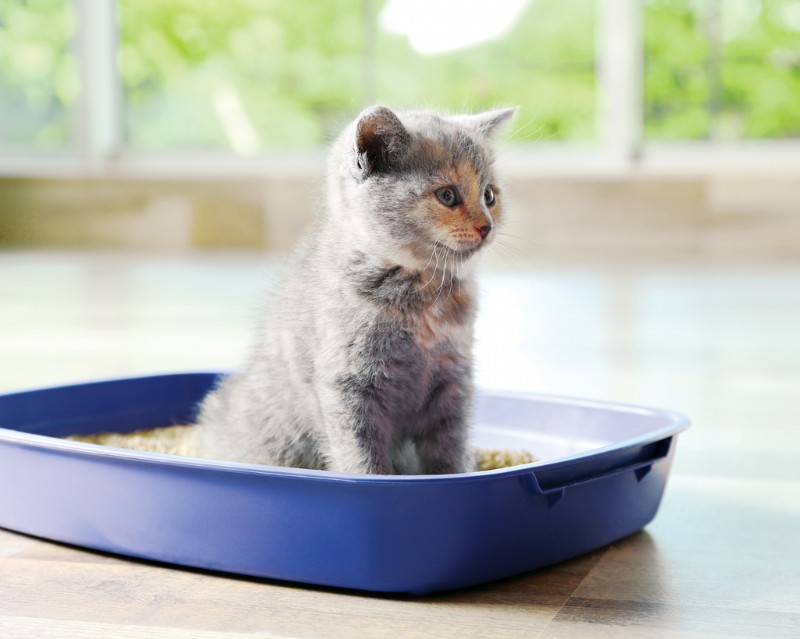
Open, spacious boxes allow cats to turn, dig, and keep a clear view of their surroundings—just as they would in the wild. Covered boxes can feel confining and may discourage use. Use unscented, clumping litter to avoid overwhelming the cat’s sensitive nose. A depth of 3–4 inches gives them enough room to dig and cover.
Maintain Hygiene
Even the most instinctual cats will avoid a box that isn’t scooped regularly. Scoop at least twice daily and rinse the box with mild soap once a month. Replace all litter every 30 days, even if it appears clean, to prevent odors and bacterial buildup (American Association of Feline Practitioners).
Provide Adequate Quantity of Boxes
The rule of thumb is one box per cat, plus an extra. In multi‑level homes, place a box on each floor and ensure easy access for senior or mobility‑impaired cats.
Strategic Placement
Cats value calm, safe spaces. Avoid placing boxes near loud appliances, high‑traffic entrances, or corners where a cat might feel trapped. A box hidden in a closet can deter use. Position boxes where your cat can see its surroundings but also feel secure.
Never Punish Accidents
Accidents signal a problem, not disobedience. Harsh punishment breeds fear and can worsen the issue. Instead, investigate potential causes: box preference, hygiene, medical conditions such as urinary tract infections.
—New Africa/Bigstock
Guided Training for Cats Needing Extra Support
While most cats instinctively use the litter box, kittens, newly rescued cats, or those recovering from trauma may benefit from a short‑term guided approach.
Confining the cat to a small, comfortable space—such as a bathroom or quiet bedroom—can reinforce good habits. Equip the room with food, water, a cozy bed, toys, and two uncovered litter boxes. Allow the cat access to the rest of the house after meals or naps, then return it for another box opportunity. Repeat for one to two weeks, adjusting based on progress.
Benefits of Guided Litter‑Box Training
- Increases litter‑box usage frequency.
- Breaks inappropriate elimination patterns.
- Enables early detection of medical issues.

—New Africa/Bigstock
Balancing Instinct and Environment
The combination of a cat’s natural instinct and thoughtful human support creates a harmonious living situation. Your role is to provide a suitable environment that aligns with their behavior, not to override it.
In short, litter‑box success isn’t a matter of training but of understanding and meeting your cat’s innate needs. With the right setup, your feline companion will thrive in a home that works for both of you.
This article originally appeared in the award‑winning Modern Cat magazine.
Subscribe today!
- Pet Behavior
- Pet Breeds
- Pet Names
- Pet Adoption
- Pet Training
- Cat Stories
- Pet Health
- Adorable Pets
- Cats
- Comprehensive Guide to Caring for a Pink Toe Tarantula: Housing, Diet, and Care Tips
- Why Your Dog Needs a Harness – Safe, Comfortable, and Stress‑Free
- Breed‑Specific Legislation Explained: What It Is and Why It Matters to You
- Cats Crash Family Game Night: Adorable Chaos Captured in Photos
- How to Convert Cat Years to Human Years: A Simple Guide
- DIY Dog Eyewash Remedy: Safe, Soothing & Effective
- 15 Most Popular Cat Breeds Every Pet Owner Should Know