

Resolving Common Cat Behavior Issues: 3 Real‑Life Case Studies & Proven Solutions
As the founder of one of the earliest cat‑specialized behavior practices, I’ve spent three decades working with thousands of felines. From my experience, most behavior problems are fully solvable when their root causes are identified—whether those are mismatches between a cat’s evolved instincts and modern living, stressors, underlying health issues, or a combination of these factors.
Many owners believe they’ve tried everything, yet the underlying cause remains unaddressed. After consulting with our clinic, they gain a deeper understanding of why their cat behaves the way it does and learn to appreciate the wild instincts that strengthen the human‑animal bond.
Case Studies: Three Real‑World Cat Behavior Problems & Their Fixes
Case Study #1: Rival Cats & Urine Marking (Spraying)
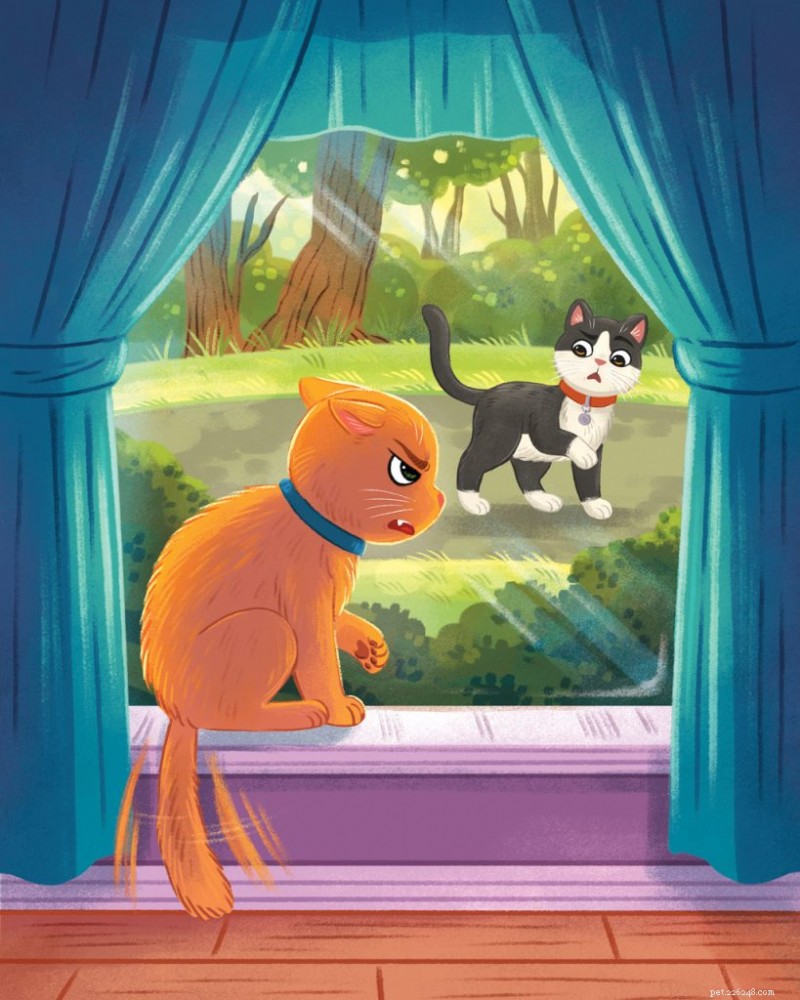
Marzipan, a five‑year‑old tabby, began spray‑marking walls near windows and doors. The owner, alarmed, called us for help.
During a Zoom assessment, we discovered that Marzipan’s new favorite window perch gave him a clear view of a stray cat that occasionally wandered into the front yard or lingered across the street. Even brief sightings triggered his territorial spray.
The Behavior Solution
We recommended a two‑pronged approach: 1) Install motion‑activated deterrents to keep the stray cat out of the yard, and 2) Apply frosted window clings to block Marzipan’s view of the intruder. We also instructed the owner to clean all previously marked areas with Zero Odor Multi‑Purpose Odor Eliminator and to avoid ammonia‑based cleaners, which can provoke marking.
The Result
Within two weeks, Marzipan ceased spraying entirely. He felt secure, and the walls stayed pristine.
Key Takeaway: Most vertical spray‑marking stems from perceived competition—usually from an outside cat. Once the trigger is removed, the behavior is quickly resolved.

Case Study #2: Pica or Hunger? Cat Eating Non‑Food Items
Luna, a two‑year‑old domestic shorthair, was chewing upholstery, socks, and even a fleece blanket. Her owner feared a rare pica disorder.
Upon arrival, we noticed Luna was under‑fed—her body condition score indicated a two‑pound weight loss. She was simply trying to signal that she needed more calories, not that she loved furniture.
The Behavior Solution & Result
We advised the owner to increase Luna’s daily food portions to meet her caloric requirements. Within days, the couch was safe, and Luna was contentedly eating her kibble.
Takeaway: Before diagnosing pica, verify the cat’s diet and weight. Proper nutrition often eliminates the urge to consume non‑food items.
We recommend all owners review their cat’s feeding plan using our clinic’s nutrition calculator.

Case Study #3: Litter Box Deterrents – Sudden Outside‑Box Urination
Oliver, a three‑year‑old tabby, had been litter‑box trained since kittenhood—until he began urinating outside the box. The change coincided with a recent redesign of his litter‑box setup.
Oliver’s owner had switched to covered boxes and placed them behind doors with cat‑size entrances. The enclosure made the boxes feel like “dark alleys” to Oliver, who felt trapped and less able to see his surroundings—an instinctual aversion that led him to seek alternative sites.
The Behavior Solution & Result
We recommended removing the hoods, relocating the boxes to open, low‑traffic areas, and eliminating the cat‑door entrances. Oliver quickly adapted to the new setup and never returned to the old boxes.
Behaviorist Tip: Litter boxes can be in private areas, but cats must feel safe and able to see their surroundings. Enclosed spaces can trigger avoidance.

Ms. Mieshelle Nagelschneider, a pioneer in feline behavior science, has spent over three decades helping cat owners. Her book is a standard for certifying other behaviorists, and her show My Cat from Hell reaches over a billion viewers worldwide. For expert advice, visit thecatbehaviorclinic.com.
This article originally appeared in the award‑winning Modern Cat magazine. Subscribe today!
- Pet Behavior
- Pet Breeds
- Pet Names
- Pet Adoption
- Pet Training
- Cat Stories
- Pet Health
- Adorable Pets
- Cats
- Preventing and Treating Drug-Resistant Staph Infections in Dogs
- Discover the 4 Key Duck Species in the U.S. – A Visual Guide
- Are Sweet Potatoes Safe for Dogs? A Guide to Their Health Benefits
- Cheetoh Cats: Stunning Hybrid of Ocicat & Bengal
- How to Fit a Horse Halter Correctly: A Step‑by‑Step Guide
- Find Trusted Ragdoll Cat Breeders & Adoption Options
- Create a Cozy Home for Your Senior Dog: Proven Tips for Comfort & Care