

How to Eliminate Cat Urine Odor from Clothes and Bedding
Last Updated: June 20, 2025
Read Caption
Featured Photo Nutlegal/Bigstock
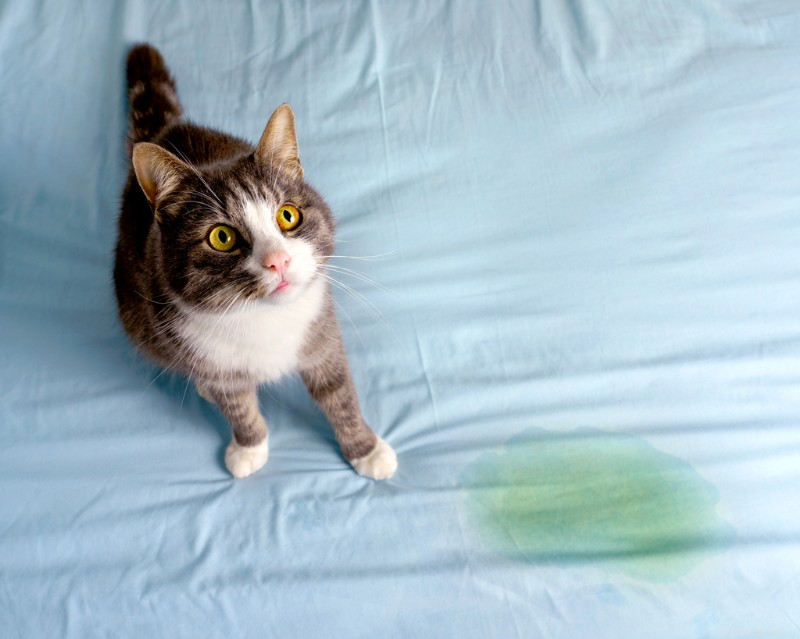
While it can be frustrating, many households find that cats occasionally urinate outside their litter box. According to the ASPCA, roughly 10% of cats will exhibit this behavior at least once during their lives. Often, the choice of clothes or bedding is driven by territorial marking, scent preferences, or stress rather than malice. By acting promptly, you can break the cycle and keep both your fabrics and your cat’s confidence intact.
When cat urine is left untreated, bacteria break down urea into ammonia and sulfur‑containing compounds such as mercaptans, producing a sharp, lingering odor. The longer the urine sits, the more intense the smell becomes, increasing the likelihood that the cat will return to the same spot.
Older and male cats tend to have stronger‑smelling urine, making early intervention even more important.
Creative Cat Studio/Bigstock
Why Cat Urine Smells So Bad
Cat urine contains both bacteria and uric acid. Bacteria decompose urea, releasing ammonia and other sulfur compounds that give cat urine its characteristic, persistent stink. The odor intensifies with time, so the sooner you act, the better your chances of preventing re‑marking.
Step‑by‑Step Guide to Removing Cat Urine Odor
Follow these evidence‑based steps for lasting results.
PRO TIPS:
Keep contaminated items separate. Wash peed‑on clothing alone to avoid transferring odor to other garments.
Standard cleaning products are insufficient. While baking soda, vinegar, and hydrogen peroxide may mask the smell temporarily, they don’t break down uric acid, so the odor often returns.
nzfhtpoglu/Bigstock
1. Blot Excess Urine
Use paper towels or a clean cloth to absorb as much liquid as possible. The drier the fabric, the more effective the subsequent treatments.
2. Detect Hidden Stains with UV Light
Apply a UV (blacklight) flashlight to reveal urine stains that are no longer visible. Cat urine fluoresces under UV, making it easier to target all affected areas.
3. Pretreat with an Enzyme Cleaner
Enzymatic cleaners break down uric acid into harmless by‑products. Choose a product labeled for pet odors and test a small area first to confirm it’s safe for the fabric.
anatolir/Bigstock
4. Allow the Cleaner to Work
Soak the item in the enzyme solution for 10–15 minutes, then blot excess liquid. Let the fabric air dry; this maximizes enzyme activity.
5. Wash with Care
Machine‑wash the item on a normal cycle using either a standard detergent or an enzyme‑infused detergent. For delicates, hand‑wash with mild soap.
Optional boost: add one cup of baking soda or run a second rinse cycle with one cup of white vinegar and no detergent before adding regular detergent.
6. Air‑Dry Thoroughly
Hang the garment or bedding to dry completely. Avoid the dryer until you’re sure the odor is gone, as heat can set lingering smells.
7. Repeat if Needed
Some stains may require a second treatment. If the odor persists, repeat steps 3–6 until it’s fully removed.
What Not to Use
Avoid ammonia‑based cleaners. Ammonia mimics the scent of fresh urine, potentially encouraging the cat to mark again.
Why Is My Cat Urinating on My Clothes and Bed?
Begin by ruling out medical issues—urinary tract infections, kidney disease, or diabetes can prompt inappropriate elimination. If health is ruled out, consider behavioral triggers.
1. Territorial Marking
- Urine marks territory; clothing with your scent becomes a prime target, especially in unneutered or unspayed cats.
- Even neutered/spayed cats may mark when they feel insecure.
2. Scent and Comfort
- Cats may use your clothes to blend their scent with yours, signaling affection or claiming you as part of their family.
- Soft, absorbent fabrics can be inviting, especially if the litter box is perceived as unappealing.
3. Stress, Litter Box Issues, and Health Problems
Stressful changes, a dirty or inaccessible litter box, or underlying health conditions can all provoke inappropriate urination. Addressing these factors is key to preventing recurrence.
Read our next article for a deeper dive into cat behavior and effective solutions.
- Pet Behavior
- Pet Breeds
- Pet Names
- Pet Adoption
- Pet Training
- Cat Stories
- Pet Health
- Adorable Pets
- Cats
- Understanding Your Horse's Teeth: Types, Care, and Common Dental Issues
- Puppy Nutrition Essentials: Expert Guidelines for Optimal Growth & Health
- Unique Dog Names Starting with Z: A Trusted Guide for New Pet Parents
- Celebrate National Take Your Cat to the Vet Day – Ensure Your Feline’s Health Today
- Traveling with Your Cat: 10 Essential Tips for a Safe & Stress‑Free Journey
- Integrated Conventional & Complementary Treatments for Persistent Dog Mange
- Are Avocados Safe for Cats? What You Need to Know