

Why Cats Are Pickier Than Dogs: The Science Behind Feline Food Preferences
Any cat owner who has watched their feline turn up its nose at premium kibble while a dog happily chews on anything from socks to stale bread has wondered why the two species have such opposite tastes. The answer lies in biology, evolution, and behavior.
Obligate Carnivores: Why Cats Are Naturally Fussy
All members of the Felidae family—from housecats to tigers—are obligate carnivores. Over 70% of a cat’s diet must be meat, and they lack the enzymes to digest plant matter efficiently. This makes them hypercarnivores, a group that also includes owls, snakes, spiders, and most sharks.
UK veterinary surgeon Daisy May explains that a cat’s pickiness is essentially a survival instinct: “If a food doesn’t meet their strict nutritional requirements, they’ll reject it.” In contrast, domestic dogs are omnivores and can thrive on a wide range of foods, from meat to vegetables and even some fungi.
Veterinarian Emma Fulton adds that dogs evolved as opportunistic scavengers, while cats evolved as specialized hunters. Dogs’ highly acidic stomachs (pH ≈ 1) and short digestive tracts allow them to tolerate spoiled food that would make a cat—and a human—ill.
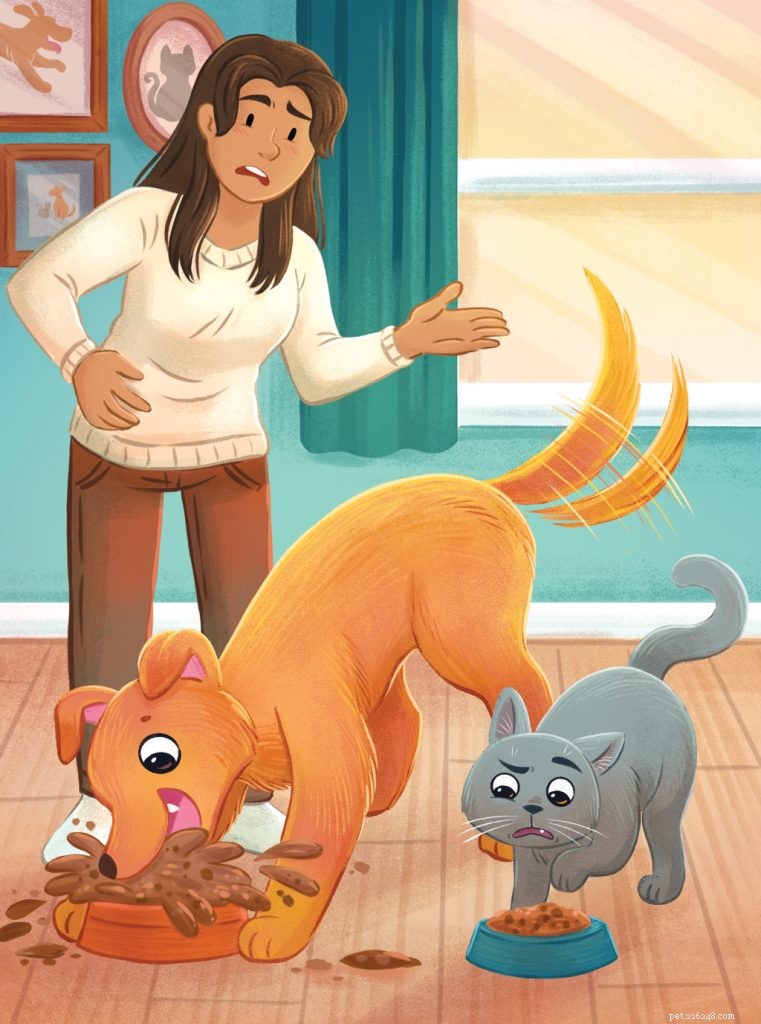
Illustration by Michelle Simpson
The Flavors Cats Can Taste
Research shows that cats have a heightened sensitivity to bitterness and a complete lack of sweet taste receptors. A 2015 BMC Neuroscience study found that feline bitter receptors are far more responsive than those of humans, making rotten or toxic foods especially repellent.
Genetic analysis (PLOS Genetics, 2005) revealed that cats possess a non‑functional Tas1r2 gene, which eliminates the ability to perceive sweetness. This limited flavor palette contributes to their reputation for being picky.
Conversely, cats are highly attuned to umami—the savory, meat‑derived taste that signals protein. A 2023 Chem Senses paper identified umami as the strongest taste preference in domestic cats.
Umami: The Ultimate Cat Craving
Joshua Errett, founder of Noochies! Cultivated Pet Food, describes how his cats can’t resist nutritional yeast, a rich source of umami. “Their tongues do a lot of the work; they can detect the exact amino‑acid profile they need,” he says.
Routine, Familiarity, and Food Aversion
Cats thrive on consistency. Sudden changes in diet can trigger stress, leading to food refusal. Their acute sense of smell and hearing makes new textures, scents, or noises feel threatening.
Dogs, on the other hand, are more adaptable. Their evolutionary role as scavengers means they readily accept a variety of foods and can be conditioned to enjoy new flavors.
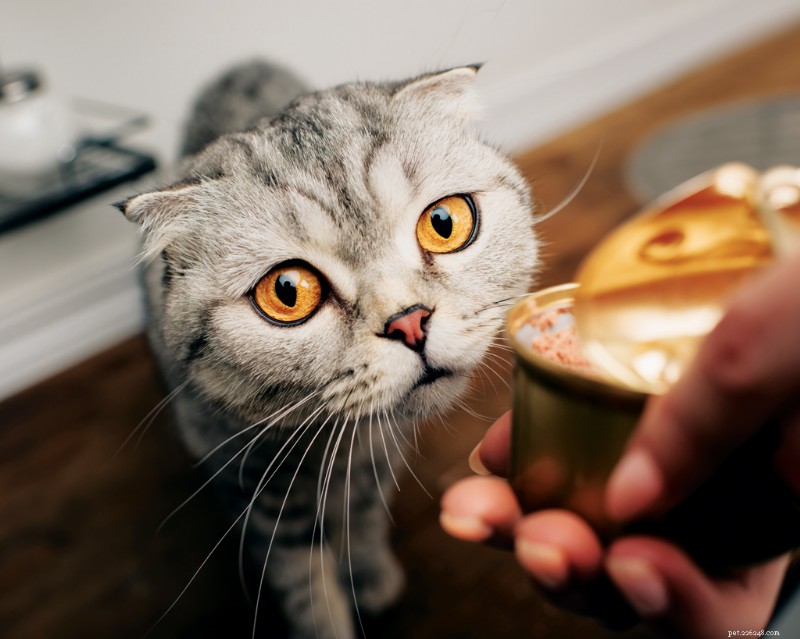
LightField Studios/Shutterstock
Introducing New Foods to Cats
Pet‑food company Open Farm’s CMO Mark Sapir advises a gradual approach: start with a small amount of the new food mixed with a familiar favorite, and increase the proportion over several days. Patience is key; cats will often accept a new protein or texture once they associate it with a positive feeding experience.
While some cats are adventurous—especially if exposed early—most will only try a new item if they see another cat or a human eating it first, according to Daisy May.
Remember that each animal is an individual with its own history and personality. Tailoring introductions to their preferences will yield the best results.
This article originally appeared in the award‑winning Modern Cat magazine. Subscribe today!
- Pet Behavior
- Pet Breeds
- Pet Names
- Pet Adoption
- Pet Training
- Cat Stories
- Pet Health
- Adorable Pets
- Cats
- Why Does My Dog Prefer Sitting on You? Understanding Their Affectionate Behavior
- Understanding How Kitty Litter Works: Types, Benefits, and Care
- Understanding and Treating Mange in Horses: Symptoms, Causes, and Care
- Spotting & Treating Giardiasis & Coccidiosis in New Puppies
- Teach Your Dog Not to Jump: Simple Steps for a Polite Welcome
- How to Prevent Aggressive Guarding in Dogs: Proven Techniques
- Why Dogs Eat Rabbit Poop: Common Reasons & How to Stop It