

12 Proven Ways to Eliminate Litter‑Box Odor
Living with a cat doesn’t have to mean living with a stinky litter box. The following veterinarian‑approved tips eliminate odor at the source, keep your cat comfortable, and protect your home.
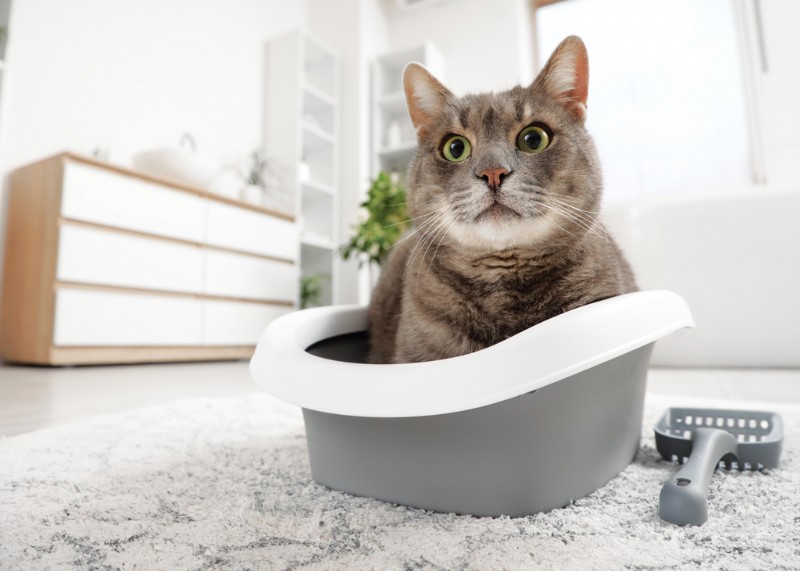
Pixel‑Shot/AdobeStock
Why Cat Urine Smells So Strong
Cats are descendants of desert hunters. Their kidneys concentrate urine to conserve water, producing a high level of urea that quickly breaks down into ammonia. Pheromones and sulfur‑based mercaptans add extra pungency.
Key factors behind the potent smell
- High concentration. Cat urine is more concentrated than most other species.
- Bacterial breakdown. Bacteria convert urea into ammonia as urine sits.
- Hormones. Un‑neutered males release strong pheromones for marking.
- Health conditions. Kidney disease, diabetes, or urinary issues can intensify odour.
- Diet. High‑protein diets increase the strength of waste odour.
How to Keep Your Litter Box Area Fresh
These twelve strategies target the source of the smell, making both you and your cat happier.
1. Scoop at least once a day
 Scoop the box daily; twice a day is ideal for multiple cats or finicky felines. Frequent scooping prevents odour buildup and reduces the risk of urinary retention.
Consider a dedicated disposal system such as the Kitty Twist’R Plus to lock in smells.
Bonus: Health check‑in. Daily scooping lets you spot changes in urine clumps, stool consistency, or vocalisation—early signs of illness. Litter additives like World’s Best Cat Litter Health Check‑In Boosters change colour when something is off; just sprinkle them on top of the litter.
2. Add an extra box
Follow the rule: one box per cat, plus one extra. This reduces competition, lowers odour, and prevents territorial stress.
3. Replace litter regularly and deep‑clean the box
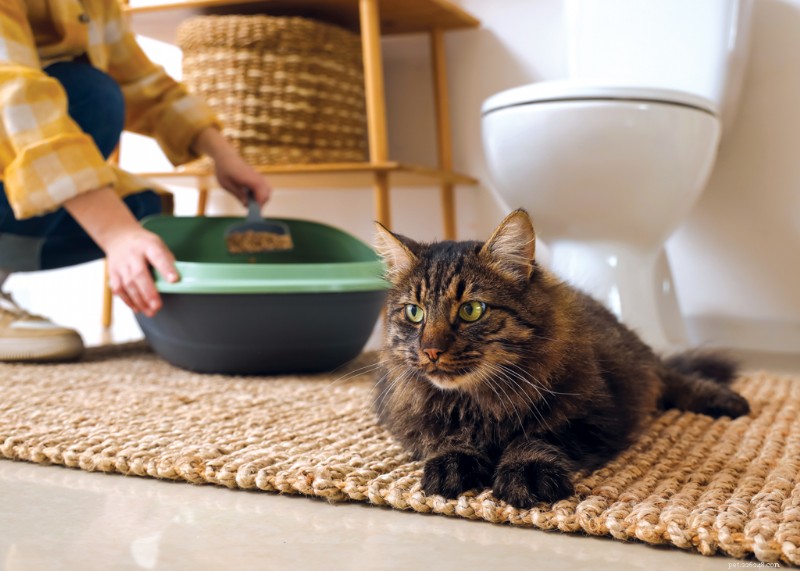 Pixel‑Shot/AdobeStock
Behaviourist Mieshelle Nagelschneider recommends a full litter change every 30 days (more often for non‑clumping litters) and a thorough cleaning at the same time.
Use mild soap and hot water, or a very diluted bleach solution. Rinse twice to remove any residue.
If you prefer a hands‑off approach, a subscription service like Kitty Poo Club can deliver a fresh, recyclable box each month.
Plastic boxes absorb odour over time; replace the box annually to keep the environment inviting for your cat.
4. Maintain the correct litter depth
Keep two to three inches of litter at all times. Low levels reduce clumping efficiency and increase smell.
5. Choose a litter with strong odour control
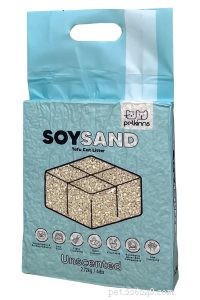 High‑quality, clumping litters made from plant‑based materials (e.g., SoySand) trap odour, stay low‑dust, and are eco‑friendly.
6. Add a DIY odour‑neutraliser
A thin layer of baking soda at the bottom of the box neutralises ammonia without irritating your cat.
7. Use a cat‑safe deodorising spray
Products such as No Cat spray by Chris the Cat neutralise lingering smells while respecting a cat’s sensitive nose.
8. Consider an automatic litter box
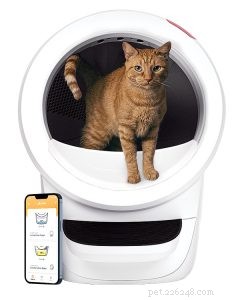 Self‑cleaning units like the Litter‑Robot scoop after each use, control odour, and can be monitored via a smartphone app.
Introduce the new box gradually and keep the old one available during the transition.
9. Improve ventilation
Place boxes in well‑ventilated rooms, avoid cramped closets, and consider an air purifier nearby to capture airborne particles.
10. Support proper diet and hydration
Moisture‑rich foods (wet kibble) and constant access to fresh water dilute urine, reducing its smell.
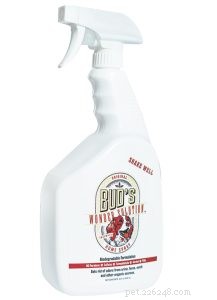
11. Clean accidents with an enzymatic cleaner
Enzymatic cleaners like Bud’s Wonder Solution break down urine molecules, eliminating the scent that can trigger repeat accidents.
12. Skip the lid
Covered boxes trap odour for both you and your cat. Many cats prefer open boxes because they provide better airflow and feel less confining.
 Photography by Adri/AdobeStock
Eliminating litter‑box odour is about consistent, thoughtful care—not just masking smells. Daily scooping, the right products, regular deep cleaning, and attention to your cat’s health keep your home fresh and your feline friend comfortable.
This article originally appeared in the award‑winning Modern Cat magazine.
Subscribe today!
- Pet Behavior
- Pet Breeds
- Pet Names
- Pet Adoption
- Pet Training
- Cat Stories
- Pet Health
- Adorable Pets
- Cats
- Diamondback Terrapin Care: Conservation, Habitat, and Home Guidelines
- How Long Do Chickens Live? A Comprehensive 2022 Lifespan Guide
- Can Dogs Safely Eat Oatmeal? A Guide to Benefits & Precautions
- Canine Massage: A Proven Solution for Muscle Tissue Repair
- Los Angeles Shelters Adopt Vegan Diets for Dogs, Pioneering Plant‑Based Care
- 10 Pet‑Dangerous Foods You Must Avoid for Their Health
- Boost Your Cat’s Confidence with Proven, Gentle Techniques