

Recognizing Loneliness in Your Cat: Key Signs and Tips
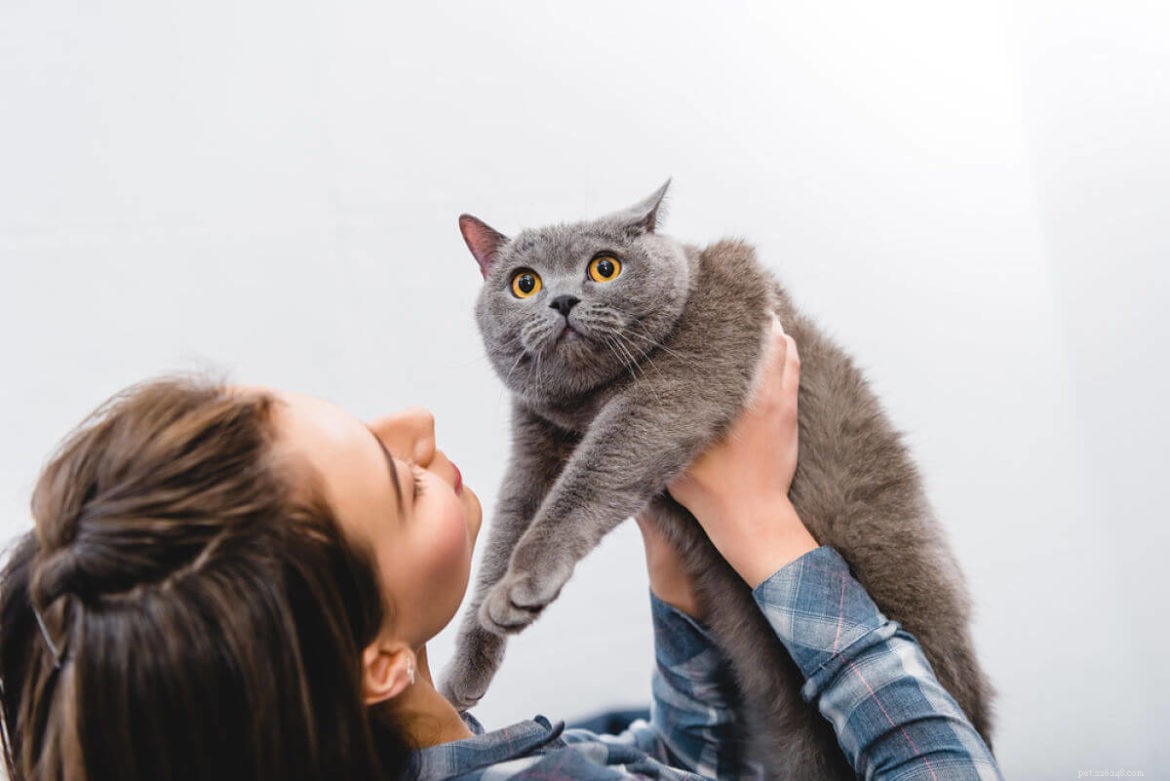
Ask yourself this, “how do I know if my cat is lonely?”or “what are some signs my cat is lonely?” If you are like most people, your mind drew a blank. And it’s not as if your cat will tell you that they are lonely. Unfortunately they aren’t the great communicators dogs are because they lack the facial muscles to express emotions. This leads us to believe they’re aloof and uninterested in palling around with us, favor solitude and aren’t inclined to feeling lonely, but the reality may be different that what you think. Read on to learn more.
Table of Contents
Does my cat miss me?
There is a strong possibility your cat misses you, especially if you’re gone more than 40 hours a week. One study showed that two-thirds of cats had reduced levels of anxiety after their cat parents came home. Your cat not only considers you a vital source of food, nutrition and safety but also a close family member. Your cat is a domesticated cat. And as such, most likely really enjoys your companionship.
Now, if you treat your cat well, I can assure you that your cat does miss you when you’re gone! It’s only natural.
Is my cat lonely?
Your cat may be lonely if you’re away a lot and there is nobody else around. Having others in the house may reduce the amount of loneliness your cat feels while you’re away. Also having another cat around, which it has grown up with can make it less lonely.
This does not mean you should go out and buy another cat. Adult cats are less likely to get along with other cats who are brought into its territory than kittens are. It is always best to buy two kittens and bring them home at the same time. There’s a strong change they’ll be lifelong friends.
How to tell if your cat is suffering from feline separation anxiety?
Cats who spend all day by themselves can suffer from feline separation anxiety. Here are a few signs your cat is lonely.
- Kitty litter box issues (doing their business outside the litter-box.)
- Excessive sleeping/always sleeping
- Diarrhea
- Aggressive behavior towards owners
- Incessant meowing
- Incessant clawing
- Clinginess
- Lack of appetite or excessive appetite.
- Destructive behavior like knocking things over.
- Excessive grooming which leads to excessive hairballs and bald patches.
If you feel that your cat is suffering from feline separation anxiety, then you must take action immediately to alleviate the situation. Click here to learn how to cure your cat’s loneliness.
How can you tell if your cat is irritated when you come home?
Domesticated cats tend to get irritated if they’re consistently left alone for long periods of time. That irritation can build up and lead to lashing out if ignored for too long. Sometimes they will even ignore their favorite toy, food or snack. But that’s not all. Here are the top ten signs that your cat’s irritated with you when you come home.
- Pet Behavior
- Pet Breeds
- Pet Names
- Pet Adoption
- Pet Training
- Cat Stories
- Pet Health
- Adorable Pets
- Cats
- Recognizing Cat Stress: Key Signs & How to Help Your Feline
- How to Spot Signs of Loneliness in Your Ragdoll Cat
- The Ultimate Guide to Bathing Your Cat Safely and Comfortably
- Convert Your Cat’s Age to Human Years: Quick & Reliable Guide
- Detecting Hidden Pain in Your Cat: Key Signs and How to Respond
- How to Tell if Your Cat Is Truly Happy
- How to Spot the Signs Your Cat Is Sick: A Guide for Pet Owners