

What to Do When Your Cat Eats a Lizard: A Quick Guide
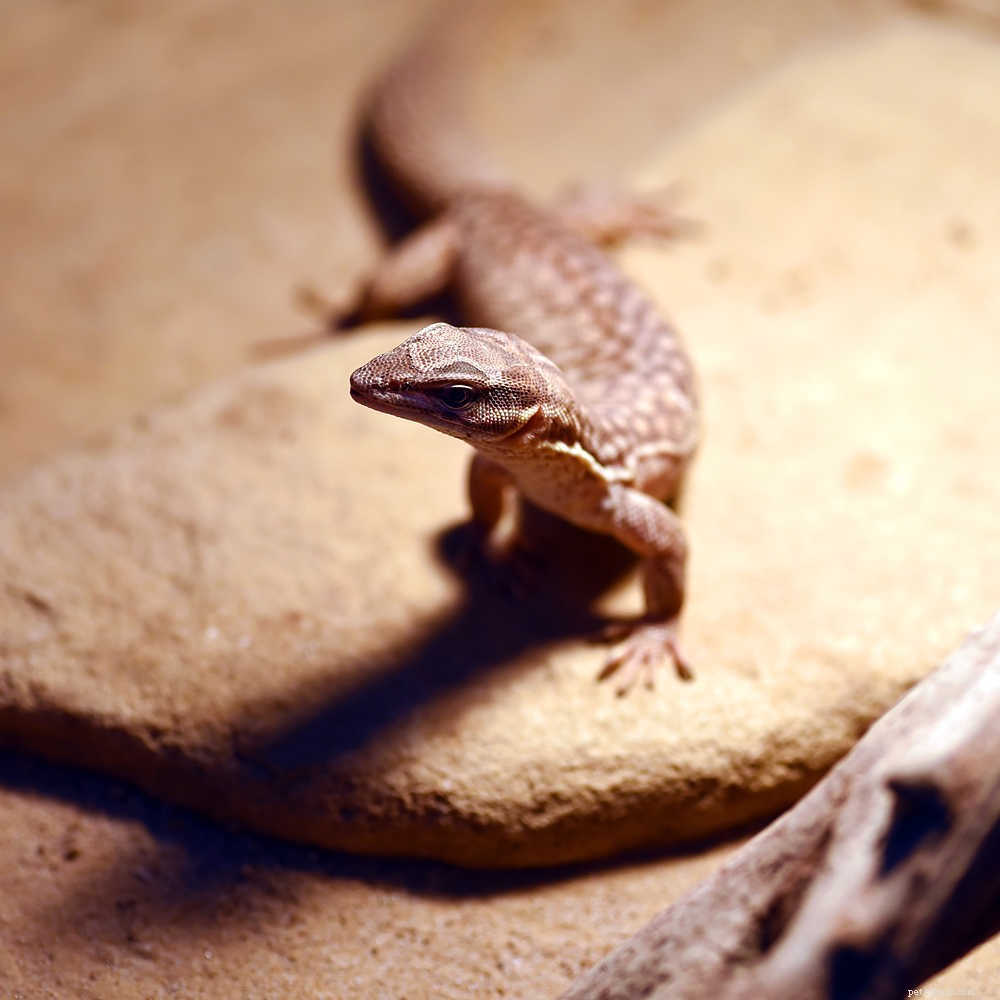
Well, first of all do not panic. If your cat ate a lizard, it’s a good idea to immediately rinse your cat’s mouth out with normal temperature water. However, most likely your cat has not eaten a poisonous lizard.
Table of Contents
Which lizards are poisonous to cats?
Well, the first one which comes to mind is the Komodo Dragon. Thankfully this venomous monster lizard can only be found at your local zoo or in Indonesia and I doubt your cat would want to get to close to one. They are huge and very dangerous looking. The Mexican beaded lizard and the gila monster are venomous as well, but most likely your cat will not be eating them either. However, if your cat gets bit by either of them, you must seek out immediate medical attention. By the way, the key word here is venomous. A venomous animal is one that delivers toxin through bites or stings. As for lizards . . .
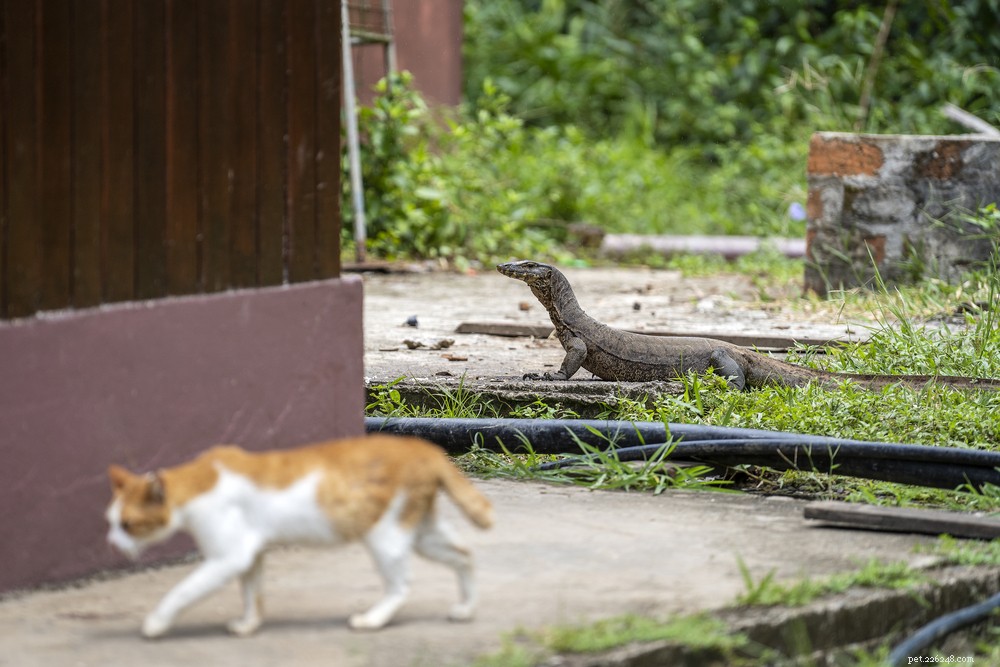
Are lizards poisonous to cats?
Yes, some lizards are poisonous to cats. But not the ones your cat can eat. However, like salamanders and newts, which are amphibians, lizards that are small enough for your cat to eat, carry salmonella which can make it very sick, very soon. And if let untreated, can be deadly. This can lead people to think that lizards are poisonous (again, the ones your cat can eat are not poisonous). Salamanders and newts also secrete a deadly toxin from their skin, so please seek out a veterinarian immediately if your cat has eaten either one of them.
However, according to the Nest, lizards possess a parasite called liver flukes. In a two to three month period, these parasites travel to your cat’s gallbladder, liver or bile ducts causing a dangerous and potentially deadly inflammation. If this happens, bile will build up in their liver and become toxic. Symptoms of a potentially dangerous situation could be…
- yellowing of eyes and skin
- appetite loss
- lethargy
- tenderness and / or swelling in abdomen
- lizard fluke eggs in poop
Why do cats eat lizards?
Well, they are hunters. It is in their DNA to hunt anything smaller than them which makes the average lizard in your backyard, prey. They are actually the perfect pray for cats, because they sit very still. Your cat has great eyes, can easily spot them and that’s when their DNA kicks in.
The good part is that most of the time, cats don’t eat the lizards they catch. They just love the hunt. I have had my cat drag quite a few lizards in, fully intact. But for stray cats in the city, that is a meal.
How to stop cats from eating lizards?
This is quite simple to answer.
- Keep your cat in the house.
- Keep your doors and windows closed as much as possible.
- If you see your cat stalking something, distract them.
You may want to kill the lizards in your area to protect your cats from eating them and getting salmonella or liver flukes, but try to refrain from doing so. Lizards may not be good for your cat, but they play a very important function in your garden or around your house. Lizards for the most part eat insects, including cockroaches. Now, who does not like that? So, try to refrain from killing them.
- Pet Behavior
- Pet Breeds
- Pet Names
- Pet Adoption
- Pet Training
- Cat Stories
- Pet Health
- Adorable Pets
- Cats
- Discover the Yellow‑Spotted Tropical Night Lizard: Facts & Care Guide
- 11 Fascinating Lizards Native to Texas
- Discover 7 Common Lizards of Washington State
- Peach‑Throat Monitor Lizard: A Stunning, Exotic Reptile for Experienced Keepers
- Choosing the Right Pet Lizard: A Beginner’s Guide to Long‑Term Care
- What to Do When Your Cat Eats a Lizard: A Quick Guide
- Optimal Feeding Guide for Pet Lizards: Balanced Nutrition & Feeding Schedules