

Can Cats Safely Eat Jackfruit? A Guide to Fruit Safety for Cats
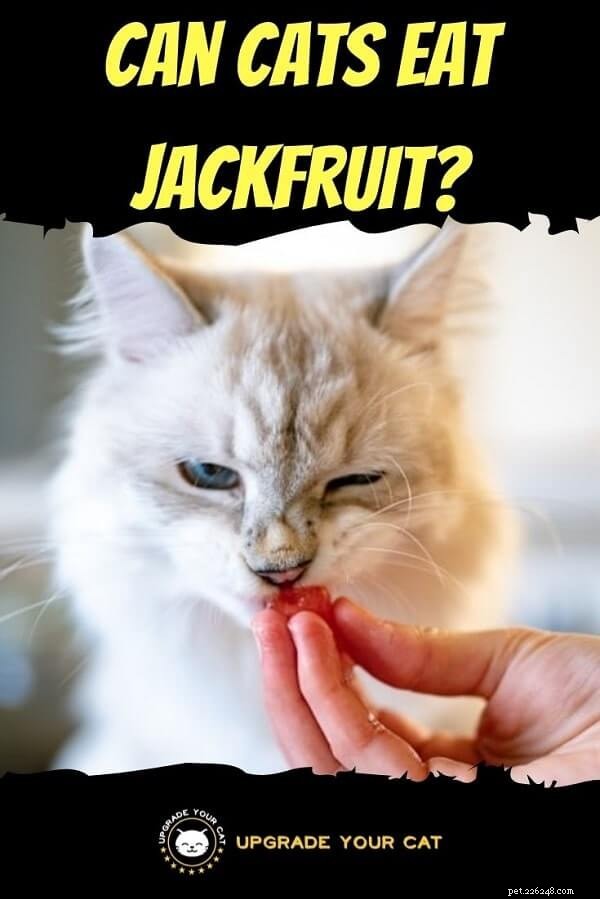
Jackfruit is an exotic fruit that is neither toxic nor poisonous to cats, so accidental ingestion typically causes no serious harm. However, because cats are obligate carnivores, their nutritional needs are best met by animal proteins, not plant matter.
Is Jackfruit Good for Cats?
Jackfruit’s bright yellow exterior and fibrous interior may look appealing, but its nutritional profile—rich in vitamins, minerals, potassium, iron, and antioxidants—doesn’t align with a cat’s dietary requirements. Cats obtain essential amino acids, taurine, and certain fatty acids only from meat; these nutrients are absent or present in negligible amounts in fruit.
While a negligible amount of jackfruit is unlikely to cause immediate health problems, it offers no real benefit and can even upset a cat’s sensitive digestive system if fed in large quantities. The recommended approach is to keep fruit out of a cat’s regular diet and rely on high‑quality commercial cat food that meets the AAFCO nutritional standards.
Should Cats Eat Jackfruit?
Although cats can technically chew and swallow small pieces of jackfruit, they typically won’t seek it out. Cats’ evolutionary history as hunters means their bodies are wired to metabolize proteins and fats from prey, not carbohydrates and plant fibers found in fruit.
Providing a small treat occasionally—such as a thin slice of cooked, seed‑free jackfruit—might be acceptable, but it should not replace their primary source of nutrition. If you do give your cat a fruit treat, monitor for signs of gastrointestinal upset and discontinue use if any symptoms appear.
Can Jackfruit Be Poisonous to Cats?

The flesh of jackfruit is safe, but the hard outer rind and large seeds can pose choking hazards and may damage a cat’s teeth. These components are best removed before offering any fruit to a pet.
Fruits That Are Toxic to Cats
Some common fruits can be harmful or fatal to cats. Owners should avoid giving:
- Cherries – pits contain cyanogenic compounds that can be toxic.
- Citrus – oranges, grapefruits, and limes often cause vomiting, diarrhea, and abdominal pain.
- Grapes and raisins – even small amounts can trigger acute kidney failure.
- Nightshade family – unripe tomatoes, green tomatoes, eggplant, and related plants contain solanine, which is toxic in high doses.
Tips for Feeding a Balanced Diet
For optimal health, feed your cat a diet that meets the AAFCO standards, whether dry or wet. Dry kibble helps maintain dental hygiene, while wet food offers additional moisture and is often more palatable. A combination of both can provide variety and benefit.
When rewarding your cat, choose commercial treats specifically formulated for feline nutrition rather than human foods. If you wish to offer a protein‑rich alternative, a small amount of cooked, lean meat or fish is a safe choice.
In Summary
Accidental ingestion of jackfruit usually isn’t dangerous, but it doesn’t provide nutritional value for cats and can cause mild digestive upset. The safest practice is to keep fruit out of your cat’s regular diet and focus on high‑quality commercial cat food and appropriate treats.
Resources
Image credits – Header photo by Piotr Musioł and picture of Jackfruit by Towfiqu Barbhuiya on Unsplash.
- Pet Behavior
- Pet Breeds
- Pet Names
- Pet Adoption
- Pet Training
- Cat Stories
- Pet Health
- Adorable Pets
- Cats
- 7 Common Pomeranian Health Issues & How to Spot & Treat Them
- Cat Fleas 101: Symptoms, Causes, and Effective Treatments
- DIY Warm Sweater for Your Sphynx Cat: A Step‑by‑Step Guide
- Are Cats Safe to Eat Peanut Butter? A Complete Guide to Risks and Benefits
- What Is the Typical Lifespan of Cows?
- When Do Puppies Stop Growing? Expert Guide to Size Milestones
- Understanding Alkaline Phosphatase Levels in Dogs: Causes, Symptoms, and When to Seek Veterinary Care