

Can Cats Safely Eat Cucumbers? A Vet’s Guide to Nutrition & Safety
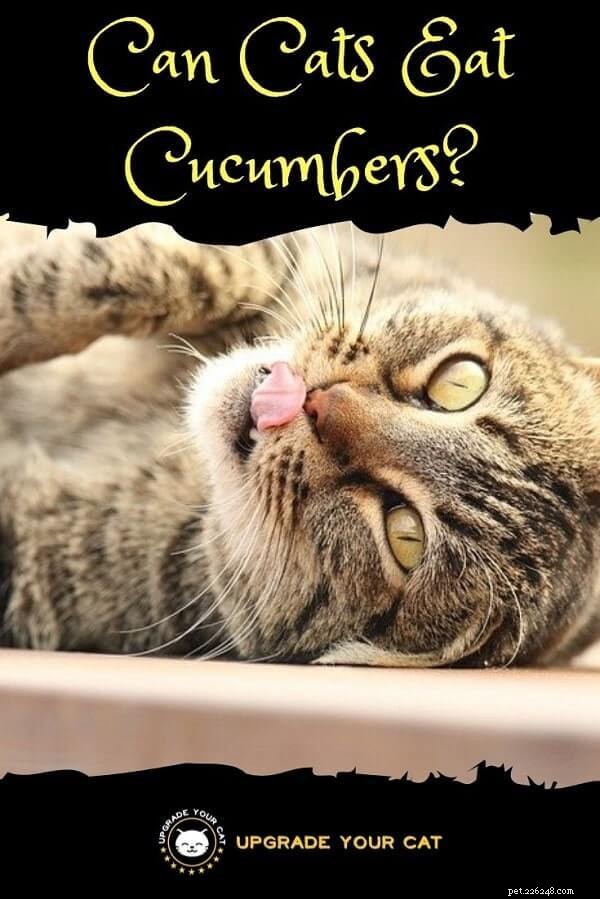
While viral videos show cats leaping at cucumbers, the question remains: can they safely nibble on this green vegetable? Below, we break down the facts, nutrition, and safety tips, drawing on veterinary insight and reputable sources.
What’s Inside a Cucumber?
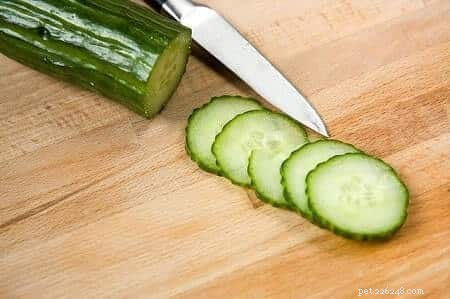
Botanically, a cucumber is a fruit because it develops from the flower’s ovary and contains seeds. In culinary contexts, however, it’s treated as a vegetable due to its savory flavor profile. Regardless of classification, cucumbers are a powerhouse of hydration—comprising 96% water—and provide modest amounts of vitamins C and K, potassium, and fiber.
Are Cucumbers Safe for Cats?
Yes, cucumbers are safe for cats in moderation. They pose no known toxicity and can even help keep a hot‑day cat hydrated. However, they offer limited nutritional benefit beyond water content, so they should not replace a balanced commercial diet.
Most domestic cats will not seek out cucumbers as a food source. If you do decide to offer a bite, slice it thinly and monitor for any adverse reactions.
Why Do Cats React to Cucumbers?

The startled “jump” seen in viral clips stems from a cat’s instinctual startle response. When a cucumber is placed unexpectedly behind a cat, the animal may interpret it as a snake or other threat, triggering a fight‑or‑flight reaction. This is a normal, not harmful, behavioral response, but repeatedly exposing cats to such stressors is discouraged.
Other Cat‑Friendly Vegetables
Some vegetables can serve as healthy, low‑calorie treats for cats. According to Chewy’s nutrition experts, the following options are safe when cooked, steamed, or lightly raw and free from added seasonings:
- Cooked carrots – chopped or shredded, they provide beta‑carotene and fiber.
- Steamed broccoli – offers vitamins C and K, though some cats may be sensitive to cruciferous veggies.
- Plain winter squash – soft, mildly sweet, and helpful for digestive health.
- Peas – a small handful can be a crunchy treat.
- Green beans – ideal for overweight cats due to low calorie content.
Always introduce new foods gradually and observe for digestive upset.
Key Takeaways
• Cucumbers are safe for cats but offer limited nutritional value beyond hydration. • A cucumber is botanically a fruit but used as a vegetable in cooking. • Startle reactions to cucumbers are instinctual and not harmful, yet repeated exposure can stress the animal. • Several other vegetables—carrots, broccoli, squash, peas, and green beans—can be healthy treats when prepared properly.
Before sharing any human food with your cat, verify its safety. Foods such as garlic, onions, and raisins are toxic and should be avoided.
With careful selection and moderation, you can share cucumber or other veggies as occasional, vet‑approved treats.
- Pet Behavior
- Pet Breeds
- Pet Names
- Pet Adoption
- Pet Training
- Cat Stories
- Pet Health
- Adorable Pets
- Cats
- Master the Saddle: Secure & Balanced Riding Posture for Confidence & Control
- Understanding Canine Blood Sugar Levels: What to Expect with Diabetes Management
- How to Calm Your Dog’s Barking and Preserve Neighborly Harmony
- Understanding Coprophagia: Why Dogs Eat Feces and How to Stop It
- Safe & Engaging Gerbil Toys: Tips for Choosing and Maintaining
- Blue the Golden Retriever Puppy’s First Bark and Tail-Wagging Charm Capture Hearts
- If Your Dog Swallows a Toy: Immediate Steps & Vet Guidance