

Is Ketchup Safe for Cats? A Veterinarian’s Guide
As a cat owner, you may notice your feline friend lapping up the crumbs left on your plate. While this behavior is common, it’s essential to know which human foods are safe for them.
Cats are obligate carnivores, but they can occasionally enjoy some non‑meat items, provided they don’t contain harmful ingredients.
What’s in Ketchup?
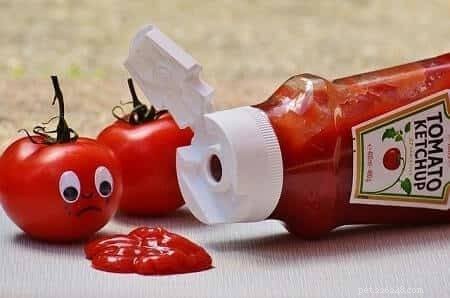
To determine whether ketchup is a risk, let’s examine its typical ingredients. Most commercial ketchups contain:
- Tomatoes
- Sweeteners (e.g., high‑fructose corn syrup)
- Vinegar
- Salt
- Spices
- Onion or garlic powder
- Flavorings
Some brands add preservatives or artificial colors, so always check the label before offering any.
For example, Heinz’s ingredient list can be found here.
Can Cats Eat Ketchup?
In short, cats can ingest a tiny amount of ketchup without immediate harm, but it’s best to avoid giving it to them regularly.
The main concern is the inclusion of onion or garlic powder, both of which are toxic to cats even in small doses. Other ingredients—high sodium, added sugars, and spices—do not provide nutritional value and can contribute to obesity or gastrointestinal upset.
If your cat has already licked a few drops, there’s no need for alarm; the quantity is negligible. However, to maintain optimal health, refrain from offering ketchup.
Foods That Can Harm Cats
Below are common household foods that pose a risk. Consult your veterinarian for a full list.
- Garlic and onions – Can damage red blood cells, leading to anemia, and may cause stomach upset.
- Coffee and chocolate – Contain caffeine and theobromine, which are toxic to cats.
- Dairy products – Most adult cats are lactose intolerant and may develop diarrhea.
- Grapes and raisins – Even small amounts can trigger acute kidney injury.
- Alcohol – Extremely toxic; can cause vomiting, seizures, or death.
In Summary
Ketchup offers no nutritional benefit for cats and contains additives that can upset their stomach or lead to other health issues. A single lick is unlikely to cause immediate problems, but it’s wise to keep it off their plates.
Choose safe alternatives—cat‑specific treats or a small portion of plain, cooked chicken—when you want to share a snack.
- Pet Behavior
- Pet Breeds
- Pet Names
- Pet Adoption
- Pet Training
- Cat Stories
- Pet Health
- Adorable Pets
- Cats
- Are Pumpkins Safe and Nutritious for Your Chickens?
- Your First Home Grooming Guide: Caring for Your New Dog
- Expert Guide: Keeping Your Sugar Glider Warm and Comfortable
- Cilantro for Rabbits: Safe, Nutritious, and Easy to Serve
- The Ultimate Guide to Preventing and Managing Hamster Cage Rage
- Guide to Naming Your Show Dog: Tips & Rules
- Top 18 Intelligently Ranked Dog Breeds – A Comprehensive Guide