

Can Cats Safely Consume Octopus and Other Seafood? Expert Guide
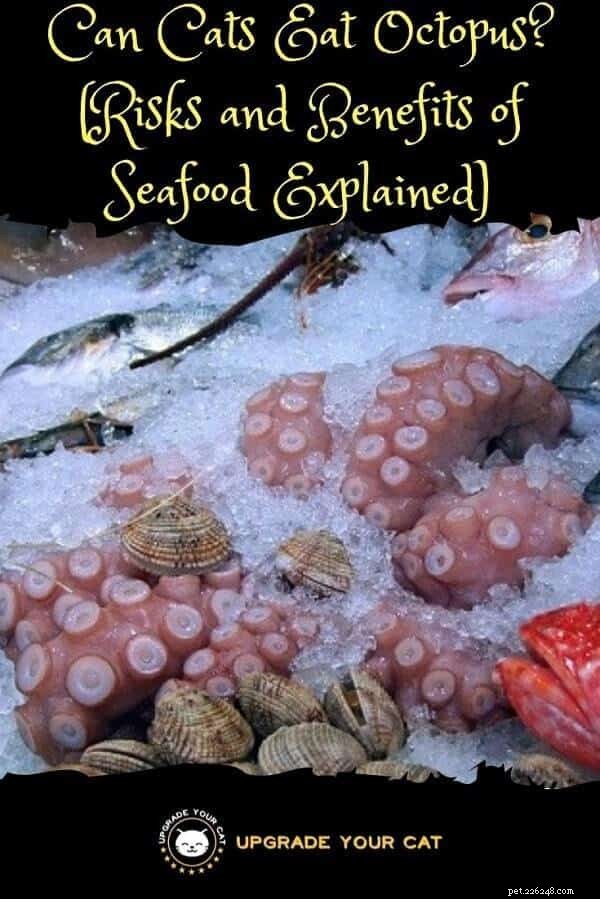
Octopus is a prized delicacy in many kitchens, but if you share it with your feline companion, you’re right to ask: Can cats eat octopus, squid, clams, and other seafood? While the answer is generally yes, it comes with important caveats.
Seafood can trigger allergies, upset stomachs, and other gastrointestinal issues in both humans and pets. Below you’ll find a comprehensive overview of how safe and healthy octopus is for cats, and how to prepare it properly.
Can Cats Eat Octopus?
The short answer is yes, but only in small, cooked portions as an occasional treat. Ensure the octopus is fresh and fully cooked to eliminate harmful bacteria and parasites.
Can Kittens Eat Octopus?

Young kittens have particularly sensitive digestive systems. It is best to avoid giving them octopus or other seafood until they are fully weaned and have a more robust gut microbiome.
Nutritional Benefits of Octopus for Cats
Octopus is rich in high‑quality protein, B‑vitamins (B6, B12, C, and A), and essential minerals such as copper, zinc, phosphorus, iron, magnesium, and selenium. However, it does not provide a complete nutritional profile for cats, whose diets must be carefully balanced with commercial cat food.
Treats like octopus, tuna, and ham should be offered sparingly, ensuring your cat’s primary diet remains well‑rounded and formulated for feline health.
Risks of Eating Octopus
Like all seafood, octopus can carry bacteria, parasites, heavy metals, and marine toxins. A 2013 study found lead concentrations in octopus muscle far exceeded the WHO limit of 0.2 µg/g. This underscores the importance of sourcing seafood from reputable suppliers and limiting exposure.
Risks of Feeding Seafood to Cats
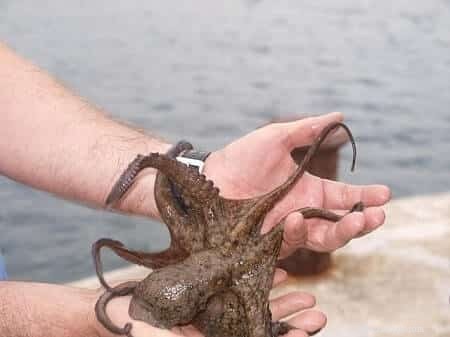
Allergic Reactions
Seafood is a common allergen for pets. When introducing a new food, start with a very small portion and monitor for symptoms such as vomiting, diarrhea, skin irritation, or abdominal discomfort. If any signs appear, discontinue the food immediately.
Food Poisoning
Seafood poisoning affects more than 1% of the global population in certain regions, largely due to marine toxins that persist if the fish is improperly handled. In severe cases, it can cause neurological symptoms and gastrointestinal distress. Always ensure seafood is properly sourced and cooked.
Bottom Line – A Small Portion of Cooked Octopus is Fine
When offered, never give raw octopus or raw seafood to your cat. Cooked octopus, served plain without seasoning, can be a safe, tasty treat for adult cats. I have personally given my cat a small bite on two occasions, and it was well tolerated.
Enjoy sharing different foods with your feline friend, but always stay informed about the associated risks and benefits before doing so.
- Pet Behavior
- Pet Breeds
- Pet Names
- Pet Adoption
- Pet Training
- Cat Stories
- Pet Health
- Adorable Pets
- Cats
- Top 5 Holiday Plants That Endanger Pets – Protect Your Furry Friends
- Optimal Vet Visit Frequency for Your Cat: A Comprehensive Guide
- Do Cats Consume Scorpions? Risks and Safety Measures for Pet Owners
- Top 4 Dog DNA Test Kits: Uncover Your Pet’s Heritage with Confidence
- How Many Dog Breeds Exist Worldwide? 2022 Comprehensive Overview
- The Chinook Dog: Heritage, Traits, and Temperament Explained
- Quick & Safe Tick Removal for Pets: A Complete Guide