

Is Mustard Safe for Cats? Understanding the Risks
Ever wonder if a quick lick of mustard might harm your cat? While mustard isn’t toxic, it’s not a suitable snack for our feline friends.
Most cats are obligate carnivores, meaning their bodies are built for a diet of animal protein and are not equipped to handle the spices and additives found in common mustard varieties. A small bite is unlikely to cause serious harm, but it can lead to digestive upset.
After a potential exposure, keep a close eye on your cat for the next few hours. Look for signs such as pawing at the face, excessive licking, vomiting, or diarrhea. If symptoms persist or worsen, contact your veterinarian immediately.
Below we explain what mustard contains, why it’s problematic for cats, and what to do if your pet ingests it.
What’s Inside Mustard?
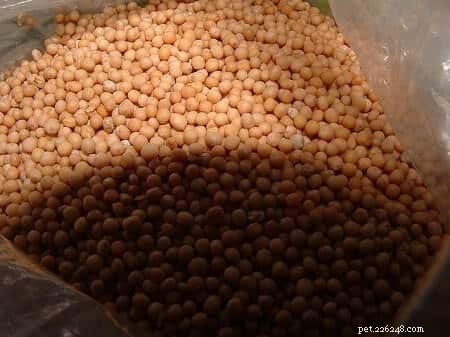
Mustard is made from the seeds of the Brassica family—turnips, rutabaga, and cauliflower, to name a few. The flavor intensity varies with the seed type and the added ingredients. Common varieties include yellow, brown, honey, and peppered mustards.
Regardless of the variety, mustard often contains salt, vinegar, and various spices that can irritate a cat’s sensitive digestive tract.
Why Mustard is Unadvisable for Cats
Although not poisonous, mustard’s additives can trigger gastrointestinal irritation. Cats lack the digestive enzymes to process many of the components found in human condiments, and the high sodium content can contribute to dehydration and electrolyte imbalances.
Veterinary experts advise that any seasoning, sauce, or condiment should be avoided in a cat’s diet. A balanced commercial cat food provides all necessary nutrients without the risk of spillage or accidental ingestion.
All Mustard Types—From Yellow to Honey—are Off-Limits
Whether it’s a bright yellow ketchuppish spread or a spicy brown deli mustard, the seeds and added spices are the main culprits. Store mustard in a secure, cat‑proof container and keep condiment packets out of reach.
What About Mustard Greens?

Mustard greens are the leafy parts of the mustard plant. While they’re nutritious for humans, they can cause nausea, vomiting, and diarrhea in cats. Even small amounts should be avoided.
Recognizing Symptoms After Ingestion
After a cat consumes mustard, watch for:
- Face or paw licking, often to remove lingering taste
- Restlessness or pacing, indicating discomfort
- Gurgling sounds, a sign of gastrointestinal distress
- Vomiting or diarrhea, especially if the ingestion was more than a few bites
Offer fresh water and monitor for 24 hours. If your cat resumes normal eating and drinking within that time, the episode is likely harmless. Persistent symptoms warrant veterinary evaluation.
Bottom Line—Is Mustard Safe for Cats?
Mustard is not on the list of toxic foods, but it offers no health benefits and can cause digestive upset. Keep all mustard products—and mustard greens—out of reach. A small bite may not be lethal, but it’s better to prevent the risk altogether.
Have you had any close calls with your cat and unexpected foods? Share your stories in the comments below.
- Pet Behavior
- Pet Breeds
- Pet Names
- Pet Adoption
- Pet Training
- Cat Stories
- Pet Health
- Adorable Pets
- Cats
- Expert Guide to Switching Your Dog’s Food Safely & Effectively
- Russian Toy Dog: Breed Profile, History, and Care Tips
- 7 Proven Strategies to Keep Pet Rats from Chewing Wires Safely
- Can Stress Make Dogs Vomit? Recognize Symptoms & Reduce Anxiety
- Can Dogs Eat Pancakes? The Safe Guide for Your Pet
- Walkin Wheels: Trusted Mobility Solutions for Pets and Animals
- Diet: The Game Changer for Your Dog's Skin and Longevity