

Can Nutritional Yeast Benefit Your Cat? Expert Guide & Practical Tips
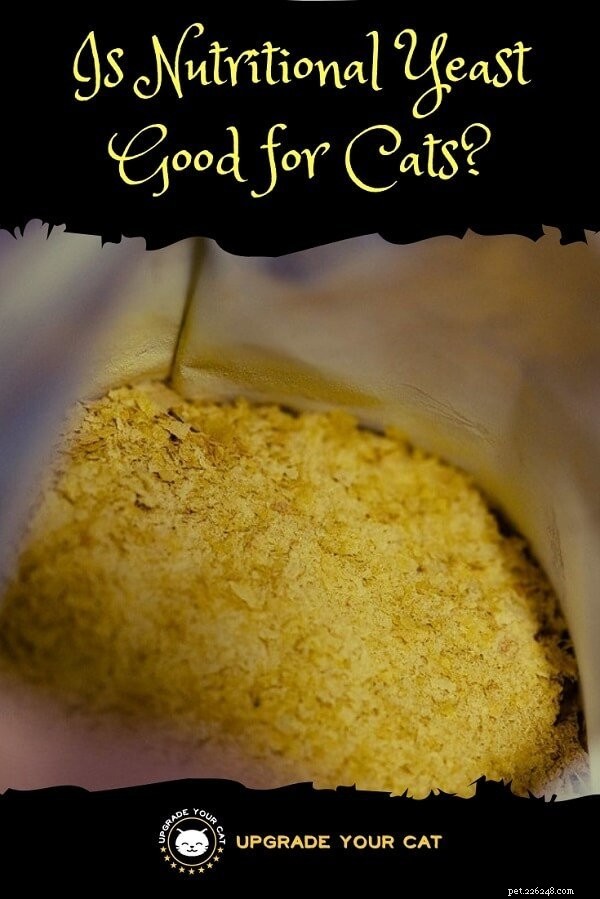
Nutritional yeast—often called “nooch”—has become a staple in vegan kitchens for its savory, cheesy flavor and impressive nutrient profile. For cat owners wondering whether this deactivated yeast can also support feline health, the answer is yes—when used responsibly.
What Exactly Is Nutritional Yeast?
Nutritional yeast is the same yeast strain used in baking and brewing, but it is deactivated and dried into a powder or flaky texture that is safe for human consumption. Because it contains no live cultures, it poses no risk of yeast infection in pets and is widely available in health‑food stores and online.
Its popularity among vegans stems from its high protein content and B‑vitamin richness, but veterinarians have noted similar benefits for cats, especially when added sparingly to a balanced diet.
Is It Safe for Cats?
Veterinary research and reputable pet‑nutrition sites confirm that nutritional yeast is generally safe for feline consumption. The key is moderation—start with a teaspoon and observe your cat’s reaction before increasing the amount.
In my own practice, I’ve sprinkled nooch on several cats without any adverse events. One anecdote involved a kitten that inadvertently opened a bag of yeast and experienced mild flatulence—an expected digestive response to a new food source.
Key Health Benefits for Cats
Because cats are obligate carnivores, they need high‑quality protein and specific vitamins. Nutritional yeast provides:
- Complete protein—complete amino acid profile to support muscle maintenance.
- Vitamin B complex—including B12 and folate, essential for energy metabolism.
- Mineral support—zinc, selenium, and chromium aid immune function and skin health.
Owners have reported shinier coats, reduced skin itching, and a greater sense of satiety in cats who received regular, small doses.
Potential Side Effects to Watch For
While rare, some cats may experience mild issues when introduced to nutritional yeast:
- Digestive upset or gas, especially if a large quantity is given at once.
- Skin irritation or allergic reaction—look for itching, redness, or hair loss.
- Elevated uric acid levels—monitor urine pH if your cat has a history of kidney disease.
Stop feeding yeast immediately if you notice vomiting, diarrhea, or persistent itching, and consult your veterinarian. Record the brand, amount, and any symptoms for a more accurate diagnosis.
How Much Should You Offer?

Veterinary guidance varies, but most recommendations fall between 2–4 teaspoons (approximately 2–4 Tbsp) for an average‑sized cat, adjusted for body weight and overall diet. A single teaspoon is a safe starting point—sprinkle it over regular kibble or wet food and wait a few days to gauge acceptance.
Some cats—especially those with picky appetites—may need repeated exposure. Consistent, small doses can encourage them to eat more of their regular meal.
Remember, any new supplement should complement a nutritionally complete base diet and not replace veterinary‑recommended care.
For more on natural fiber sources, check out our guide on the benefits of pumpkin for cats.
- Pet Behavior
- Pet Breeds
- Pet Names
- Pet Adoption
- Pet Training
- Cat Stories
- Pet Health
- Adorable Pets
- Cats
- Mexican Red‑Knee Tarantula: Size, Longevity & Care Guide
- Unlimited Hay for Rabbits: Why Constant Access Is Essential
- Explore Butterflyfish: 129 Vibrant Reef Species & Their Care
- How to Safely Care for Motherless Baby Mice
- Meet Matilda III: The New Ragdoll Royalty of The Algonquin Hotel
- Why Dogs Run Away — Understanding Causes & Effective Prevention Strategies
- 13 Science‑Backed Nutrition Guidelines for a Healthy Dog