

Explore Butterflyfish: 129 Vibrant Reef Species & Their Care
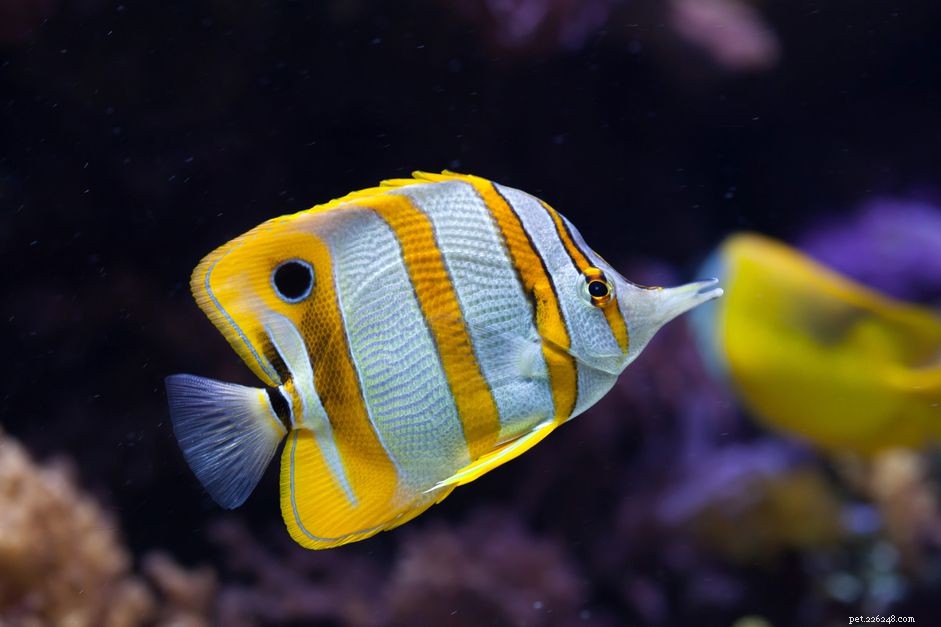
Butterflyfish Chaetodontidae, are a group of 129 species of tropical marine fish, sporting various colors, stripes, and features. Though they may differ in color and features, they can usually be found in coral reefs, specifically in the Atlantic, Pacific, and Indian Oceans.
-
01
of 17
Auriga Butterfly
The Auriga Butterfly behaves in the typical Butterflyfish manor, but is one of the more aggressive species that is best kept singly or as a mated pair. It will often chase related species and other non-related fishes that have similar color patterns.
-
02
of 17
Bluestriped Butterflyfish
Although at first a rather shy and easily frightened fish, once it settles into its surroundings the Bluestriped Butterflyfish falls into the moderately-aggressive behavior category. An individual can have quite an entertaining and distinctive personality.
-
03
of 17
Copperband Butterflyfish
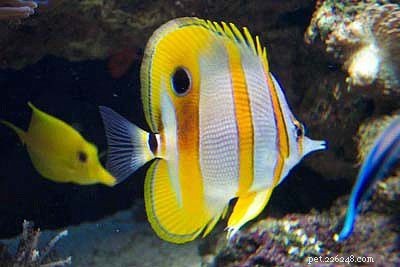
This fish is fairly sensitive, so poor treatment during capture, transport, and holding will greatly determine how well it will fare in your tank. Close inspection of the fish's condition, as well as observing it eat before purchasing will greatly improve... Read more
-
04
of 17
Fourspot Butterfly
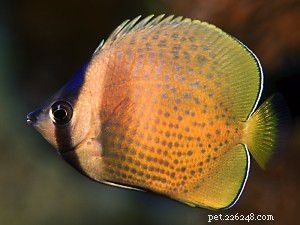
The Fourspot Butterflyfish is a very active, but rather shy species. If startled or frightened this fish will dart around frantically. It is powerful, can jump quite well to avoid getting caught, and caution should be used when handling this fish, as its top dorsal spines can inflict a rather nasty poke. Even though some individuals will adapt well to aquarium life when placed in an amply sized, adequately sheltered, peaceful species tank community, others can be difficult when it comes to getting them to eat and may need coaxing to stimulate an interest in feeding.
Continue to 5 of 17 below. -
05
of 17
Klein's Butterflyfish
One of a few good Butterflyfishes suitable for beginners, the Klein's Butterflyfish is a rather hardy and peaceful species that adapts well to aquarium life.
-
06
of 17
Lemon Butterflyfish
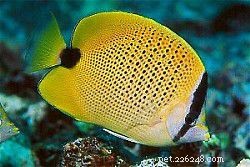
One of the most common Butterflyfishes found in Hawaiian waters, the Lemon Butterflyfish is very hardy, less-aggressive species that communes well with those of its own kind, similarly related and non-related species of a non-aggressive nature. Can be kept singly, as a pair, or in small groups, but if more than one specimen is kept, all should be introduced into the aquarium together at the same time.
-
07
of 17
Lined Butterfly
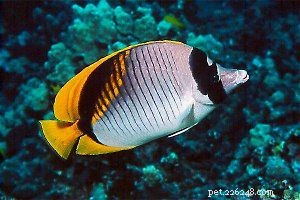
This is one of the more sensitive Butterflyfishes. Its fins are thin and delicate and are easily burnt by even lower levels of ammonia. They are difficult to get to eat, extremely shy, and usually do not do well adapting to tank life.
-
08
of 17
Ornate Butterfly
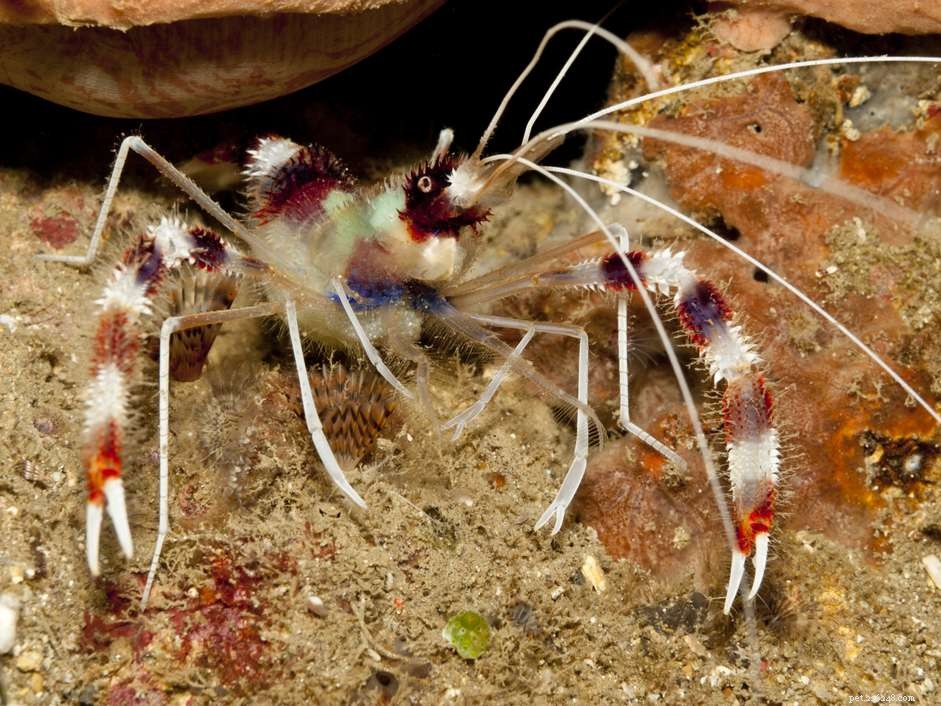
The Ornate butterflyfish is a coral eater. The smaller juvenile specimens will pick up on tank fed foods and do fairly well, but in the larger adult stage getting it to eat anything else in captivity is extremely difficult.
As adults, you usually see this fish traveling in mated pairs, and the juveniles will band together in small groups of three or four at a time.
Continue to 9 of 17 below. -
09
of 17
Pebbled Butterfly
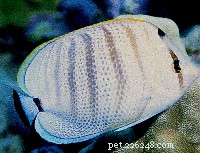
The Pebbled Butterfly is a coral polyp eater, but it is one Butterflyfish that will adapt to tank life easily. Within a few days of collection, they will eat basic flake food to and then Nori, dried shrimp and other basic tank fed foods.
-
10
of 17
Pyramid Butterfly

Like a lot of fish in the Butterflyfish family, they are coral pickers but are also omnivores (eating other plant and smaller marine crustaceans). When in the juvenile stage they are easier to get to adjust to tank life and will eat tank fed foods like shrimp and nori. As adults, sometimes it can be difficult to get them to eat.
-
11
of 17
Raccoon Butterfly
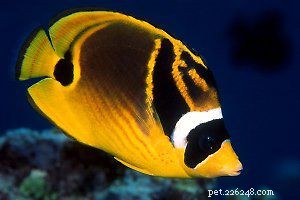
Although known to be a natural predator of Aiptasia anemones, caution should be used when considering this fish to rid a reef tank of them. Not safe with most corals, desirable invertebrates, as well as crustaceans that are not well-armored for protection against predation.
-
12
of 17
Reticulated Butterfly
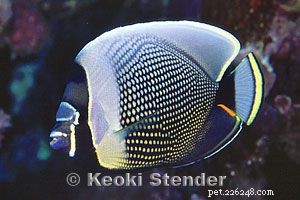
It is one of the fish in the Butterfly Fish Family that is a coral eater and it is difficult to get it to eat anything else, especially as an adult. Charles Delbeek shared with us that because it is an obligate coral eating Butterfly, it does not survive for long in aquaria in his experience.
Continue to 13 of 17 below. -
13
of 17
Saddleback Butterfly

Like most fish in the Butterfly Fish Family, the Saddleback Butterfly spends most of its time during the day picking at coral polyps as it cruises the reef. At night they hide in various cracks, crevices and "puka's (holes). In captivity, it will take dried shrimp, brine shrimp and, if another fish in the tank is eating it, flake food.
-
14
of 17
Teardrop Butterflyfish

As a juvenile, this fish will adapt to tank life and foods fairly well. However, as adults, they are slow to learn and are sometimes difficult to get to eat. Like most fish in the Butterfly Fish Family, they are coral pickers, but also eat small marine life and algae off of rocks and coral.
-
15
of 17
Tinker's Butterfly
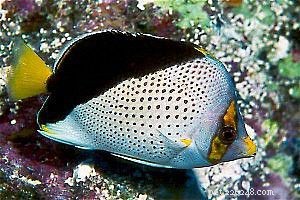
The Tinker Butterfly is one of the rare, deep water fish endemic to Hawaiian waters. It is found at depths well below 100 feet, particularly in areas where black coral (Antipathes) is abundant. Because of its rarity and difficulty collecting, it is an extremely expensive fish. For those where expense is not a factor, this fish is definitely a centerpiece for an aquarium.
-
16
of 17
Yellow Longnose Butterflyfish
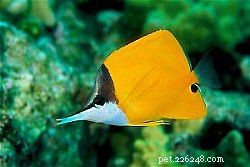
The Yellow Longnose Butterflyfish (Forcipiger flavissimus) behaves in the typical Butterflyfish manner, but is a species that is best kept singly or in larger aquariums as a mated pair. It does better with other non-aggressive fishes, but can be placed into a moderately-aggressive community if introduced into the aquarium first.
Continue to 17 of 17 below. -
17
of 17
Big Longnose Butterflyfish
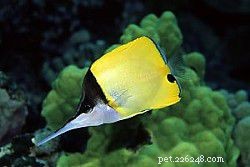
The Big Longnose (Forcipiger longirostris) species has a longer snout with a much smaller mouth at the end than its Yellow Longnose Butterflyfish counterpart. The two species can also be separated by counting their dorsal spines. This fish usually has 12 spines and from 25 to 28 soft rays, while the Yellow Longnose usually has 12 spines and from 22 to 24 soft rays.
- Emperor Angelfish (Pomacanthus imperator): Traits, Care & Aquarium Compatibility
- Lionfish Species Overview: Characteristics, Care, and Ecological Impact
- Feeding Habits of Butterflyfish (Chaetodontidae): Diet, Preferences, and Ecological Role
- Domestic Bird Species in the U.S.: Breeding, Identification, and Care
- Explore 8 Stunning Rainbowfish Species for Your Aquarium
- Armadillo Species Guide: Care, Behavior & Legal Ownership
- Gourami Species Guide: Find the Perfect Fish for Your Aquarium